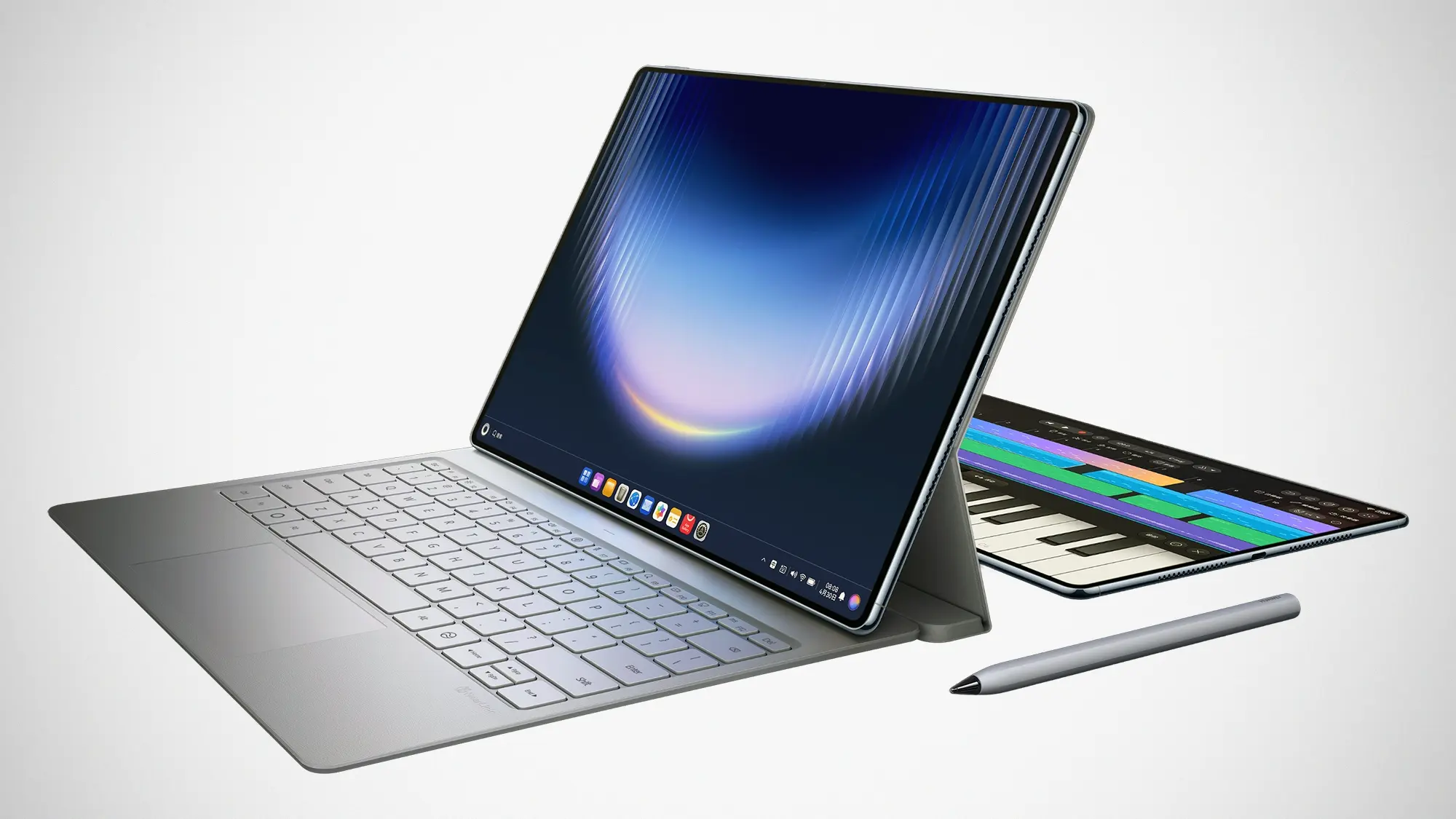
I don’t know why a tablet should double as a laptop when laptops already offer us a full-fledged computing experience. That’s not to mention a tablet’s size deficit when compared with a laptop; even if a tablet comes in a comparable size, it’d be too hefty to be practical. But I think Huawei just gave us a reason with the new Huawei MatePad Pro Max.
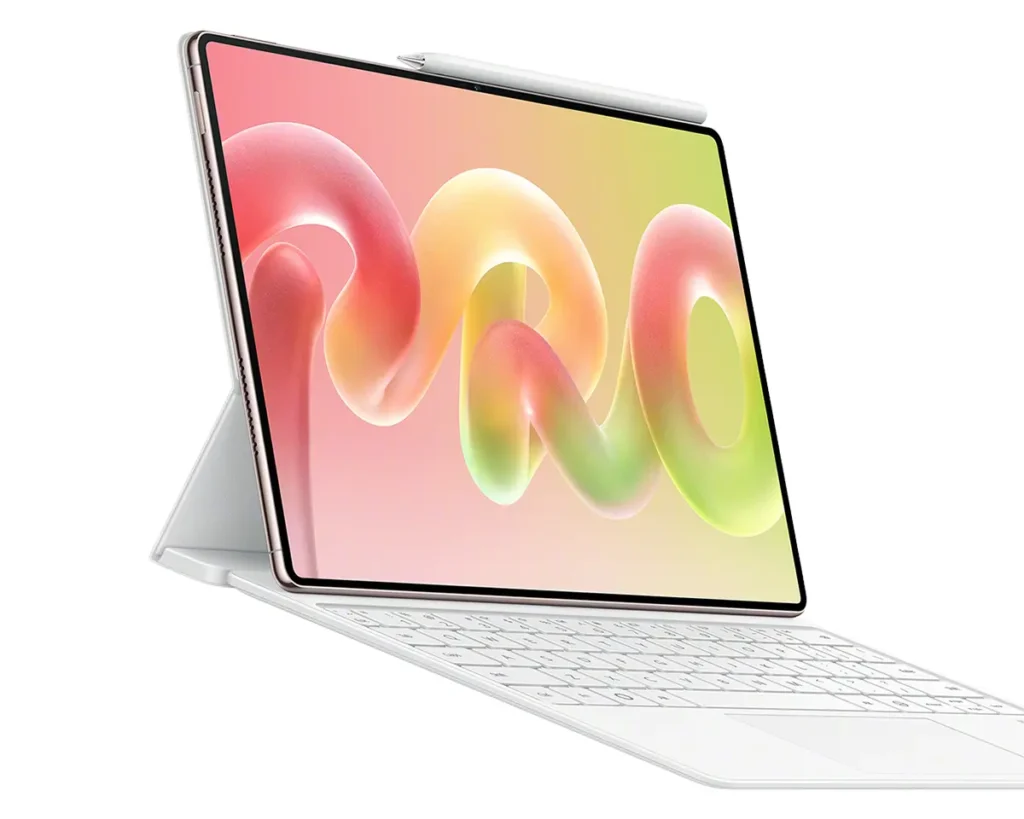
For starters, the tablet combines a large 13.2-inch display with a body measuring just 4.7 mm thick and weighing as little as 499 g (1.1 pounds), making it the world’s thinnest and lightest tablet in its size class. That makes carrying around a laptop seem like a laborious thing to do.
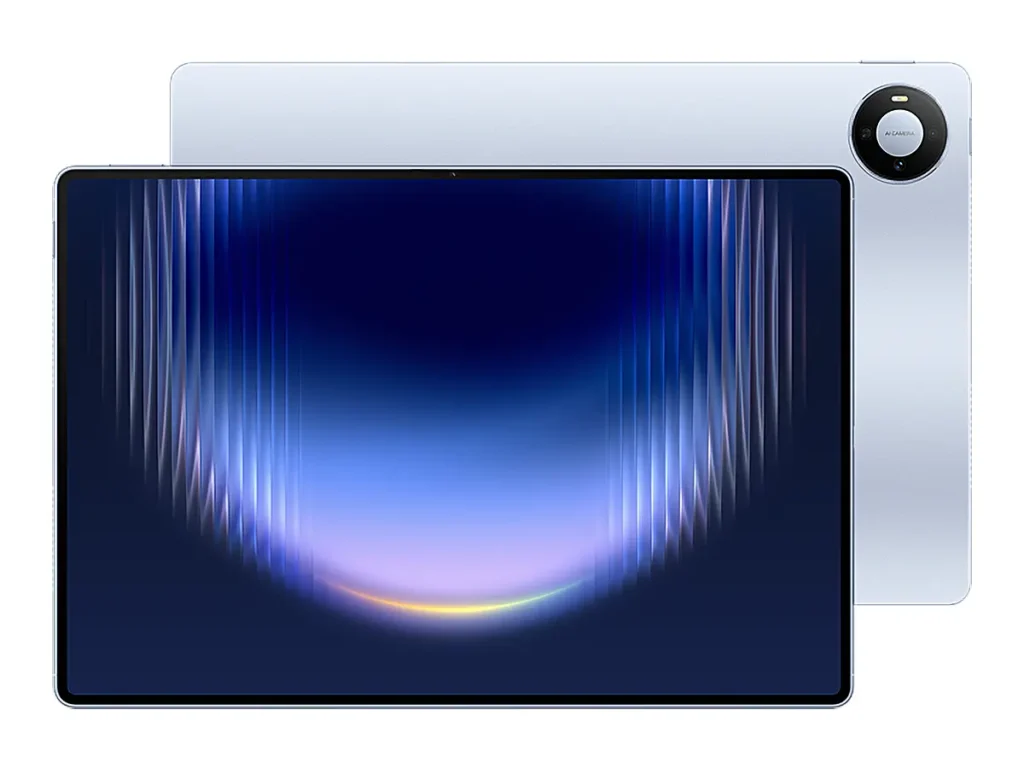
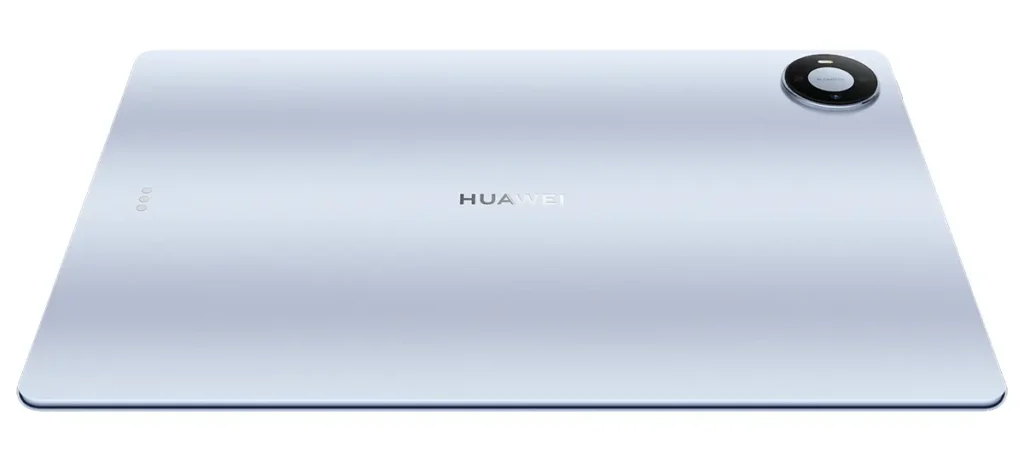
On top of that, Huawei quells concerns about the durability of a tablet on the move by incorporating the so-called “Cloud Falcon” (Yunsun) architecture and a unibody metal construction, which improve bending resistance by 60 percent. A shimmering finish on the rear panel produces dynamic reflections while enhancing its appearance and feel, completing the aesthetic.
It may be running the tablet version of HarmonyOS, but this little big guy feels nothing like a tablet. It is like a laptop without a keyboard—which you can add, if so desired, as an optional accessory.
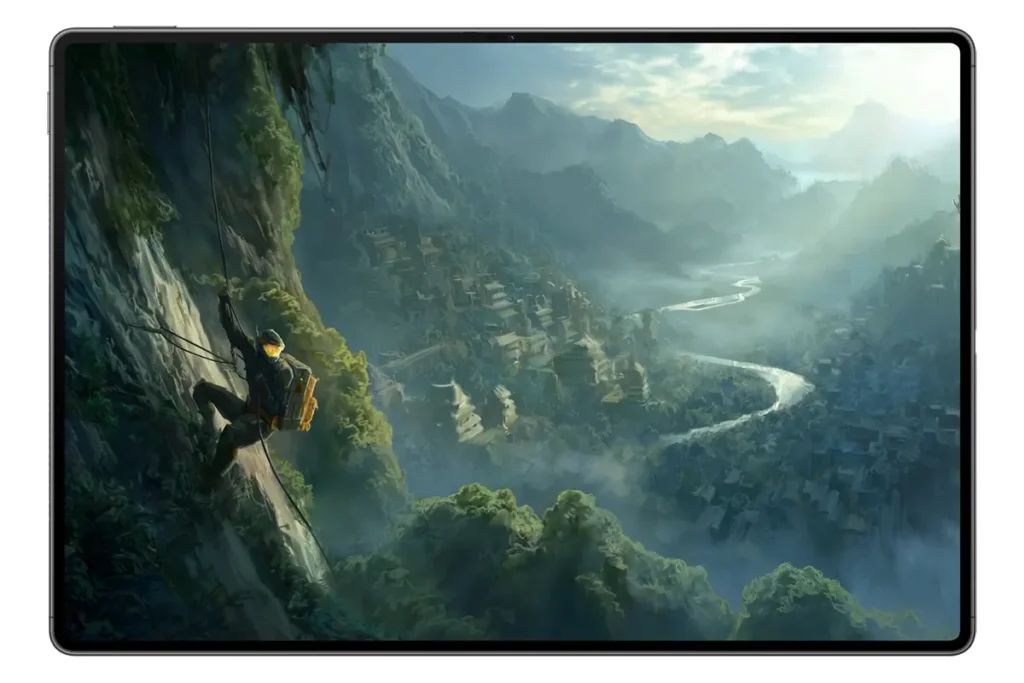
Fronting the device is a professional-grade 13.2-inch 3:2 3K OLED display featuring a 144 Hz refresh rate, 1,600 nits of peak brightness, and ΔE<1 color accuracy. There is also a “PaperMatte” Edition for users who prefer a matte display over a traditional glossy one. This version uses nano-etched anti-glare glass, while an SVM value below 1 at low brightness helps reduce visible flicker and eye strain. A notch-free design delivers a 94 percent screen-to-body ratio suited to office work and creative tasks.
Under the hood, it is powered by a dedicated tablet chip, the Kirin T93 Pro chipset, which is manufactured using a 5 nm-equivalent process and claims to deliver a 45 percent performance improvement. It is more than capable of running Genshin Impact at close to 60 fps, while Honor of Kings supports 144 Hz at full frame rate.
Circling back to the tablet-versus-laptop argument… while it runs a tablet flavor of Huawei’s homegrown OS, it looks and feels very much like a regular computer. Speaking of which, HarmonyOS 6.1 offers two interface modes that can be seamlessly switched using a four-finger gesture. Computer Mode supports up to 20 stacked windows, while PC-grade applications launch almost instantly.
Interestingly, while it is clear that this tablet has productivity in mind, it is also kind of “musically inclined”—thanks to Huawei’s self-developed “Music Home.” This feature lets users create music. Using AI track separation, it can extract accompaniment tracks and provide more than 200 instrument sounds. It also has a four-microphone 3D array with AI noise reduction that provides studio-grade recording.
The M-Pencil Pro supports lock-screen quick notes and scribble-to-delete, while the GoPaint app supports creative work using motion photos. Education Space provides parental controls, and Tap to Share works across devices, including iPhones.
And then there are the six speakers that promise to deliver 167 percent stronger bass. In imaging, it has the familiar round Mate-family camera module, which is home to a 50 MP main camera (f/1.8, autofocus), a second-generation Red Maple True Color camera, and an LED flash. Around the front, it boasts a 12 MP camera (f/2.4, fixed focus).
Battery-wise, it has a fairly large-capacity battery for a tablet—10,400 mAh typical, or 39.84 Wh—but as a laptop, it would be considered relatively small. It is paired with a 66 W charging brick.
Other notable features include up to 40 W wired reverse charging, dual-band Wi-Fi, Wi-Fi 7, Bluetooth 6.0, NearLink, a fingerprint sensor, USB 3.1 Gen 1 over USB-C with support for DisplayPort 1.2, GPS, GLONASS, BeiDou, Galileo, and the usual array of tablet sensors.
The Huawei MatePad Pro Max has been launched in China in several configurations, with prices starting at 6,499 yuan [CH] (about US$963).

Images: Huawei [CH].

