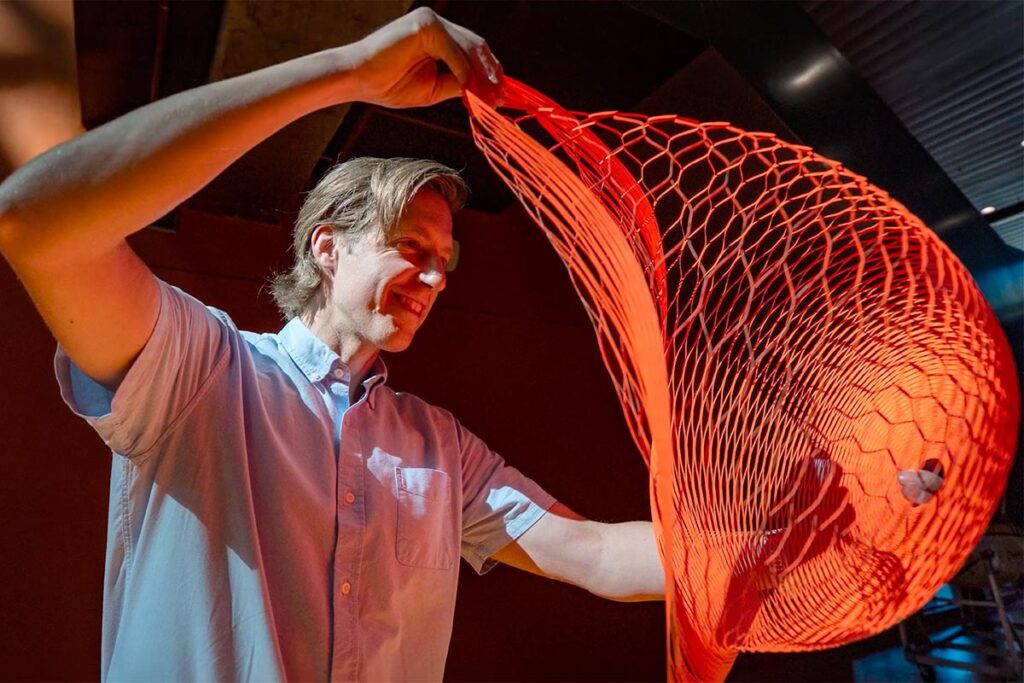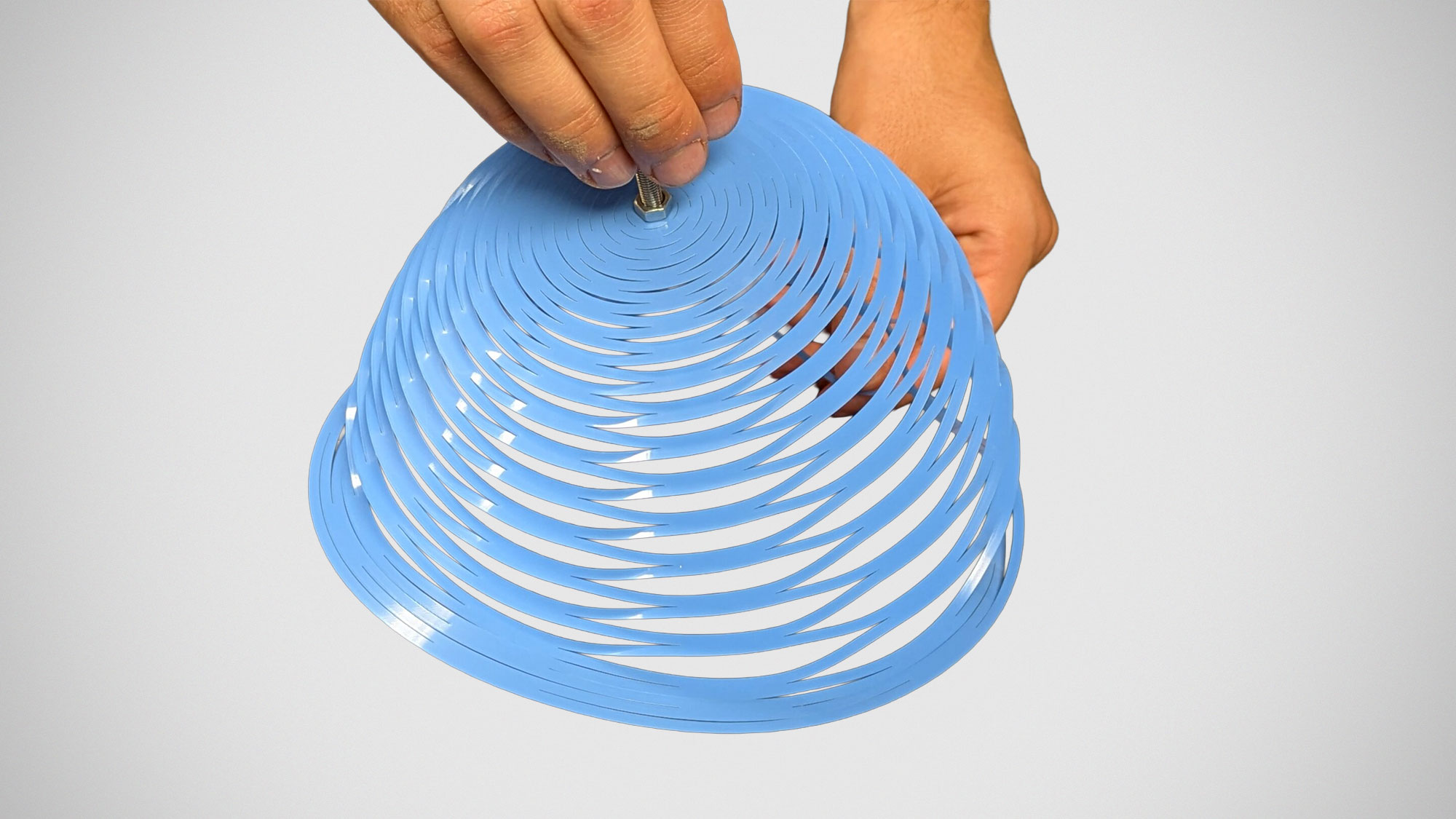
Now and then, some inventions challenge the norm and change the world. One such major invention was the full touchscreen phone made popular by Apple. It completely changed the way we communicate, consume entertainment, and more. And now, a research project by Polytechnique Montréal in Canada and École Polytechnique in France may do the same. Meet the Kirigami-inspired Parachutes, a complete reimagining of the gravity-challenging device.
A parachute is, as we all know, a fabric device designed to slow down the descent of a person or object through the air by creating drag. It has enabled a somewhat controlled descent on the battlefield for airborne soldiers and provided thrills for leisure skydiving enthusiasts. However, we cannot say the same for this device when it is used for, say, rescue missions such as airdropping humanitarian aid. If the cargo is a human, he or she will have some level of control over where to land and the speed of descent, even more so with a commercial skydiving parachute. But if it is just actual cargo, it’s at the mercy of the wind.
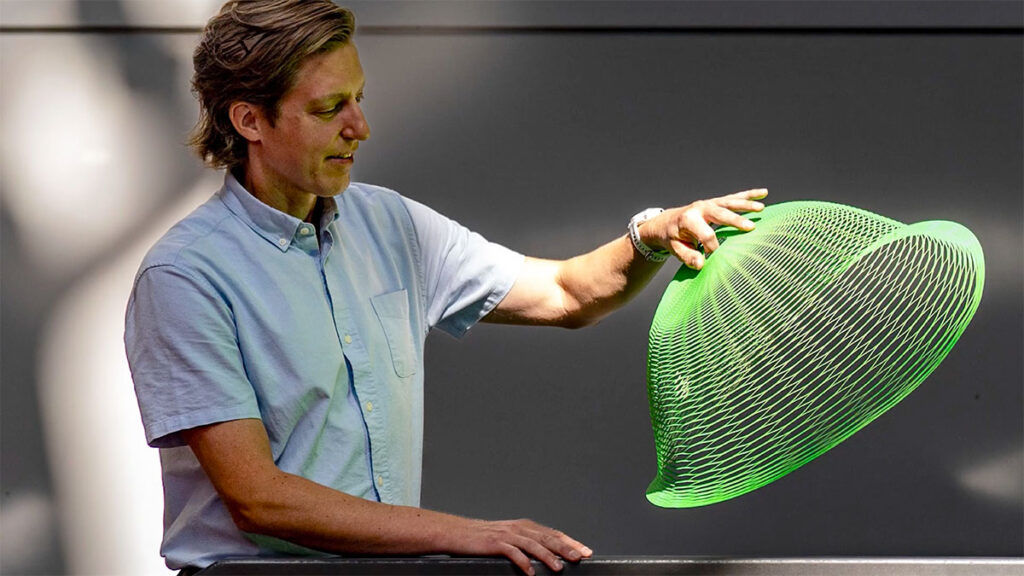
With the Japanese art of paper-cutting–inspired parachutes, however, researchers at Polytechnique Montréal in Canada and École Polytechnique in France achieved drops that follow a strict ballistic descent trajectory. In other words, targeted drops via parachute are no longer a pipe dream. Where regular parachutes have an umbrella-like form that captures air to slow descent, the simpler kirigami pattern transforms into an upside-down bell shape when weighted. Not only that, stabilization is instant, and the drop is, well, pretty much straight down. Even better, it appears to behave the same regardless of size, which means it is scalable for bigger cargo.
The research team recently published the study on Nature.com. You can also learn more about this awesome invention, without the scientific jargon or subscription, from an article by Dr. Andrei Mihai on ZME Science.