A pen is, well, just a pen. If it writes, mission accomplished. Most of us probably do not spend a lot of time thinking about pen balance. In fact, most of us probably do not spend a lot of time thinking about pens anymore.
The folks at orangered life clearly disagree. These are, after all, the same people who have spent years obsessing over rulers, angles, proportions, and other things most of us stopped thinking about after math class.
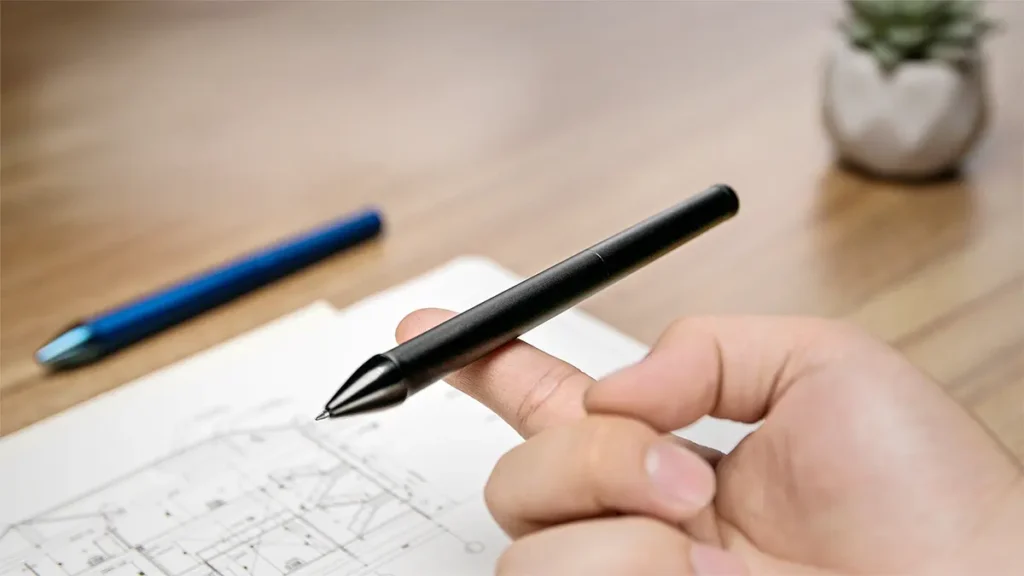
They looked at a pen and somehow concluded that the problem was balance. Specifically, where the balance point sits. Because if you are going to write a 1,000-page novel by hand, the last thing you want is a pen that makes your fingers work overtime.
Of course, this is in the context if you still write.
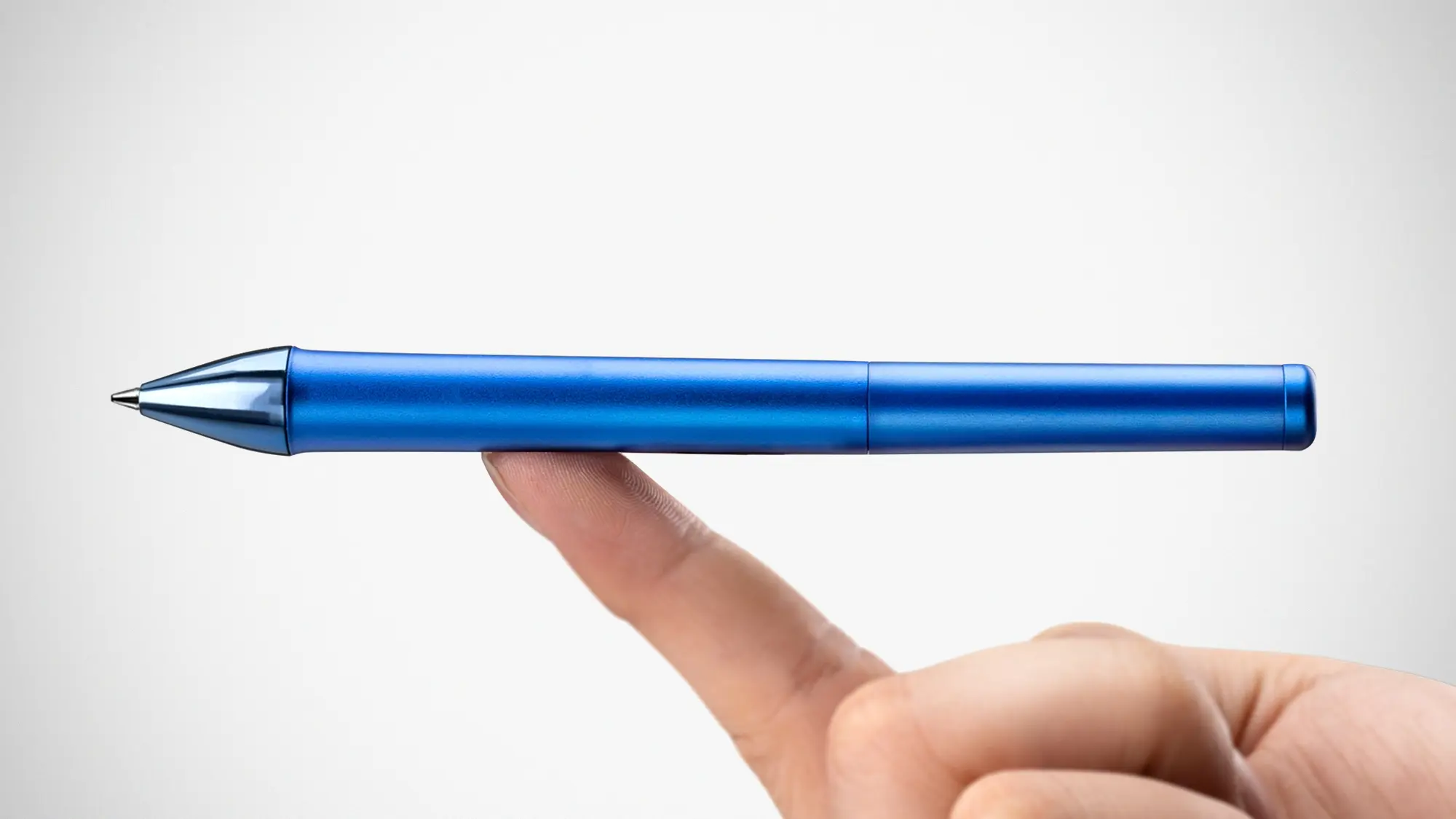
Anyhoo, after what I can only assume was a tremendous amount of pen-related soul-searching, the team came up with ORBIT, The First-Third Balanced Pen.
Now, before you roll your eyes and say, “It’s a pen. How much innovation can there possibly be?” hear them out. ORBIT’s party trick is not some fancy AI feature or a built-in digital assistant. It is balance. Specifically, balance at the front third of the pen instead of the center.
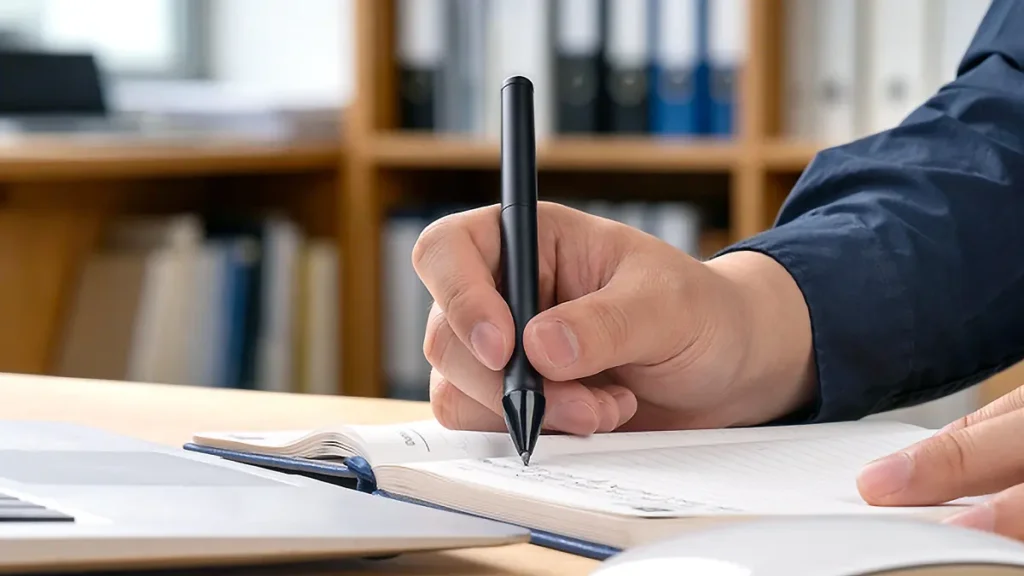
According to orangered life, most pens place the center of gravity somewhere in the middle. ORBIT shifts it forward. The idea is that gravity naturally helps bring the tip down to the page, allowing your hand to guide rather than press. Less force. More control. At least, that is the theory.
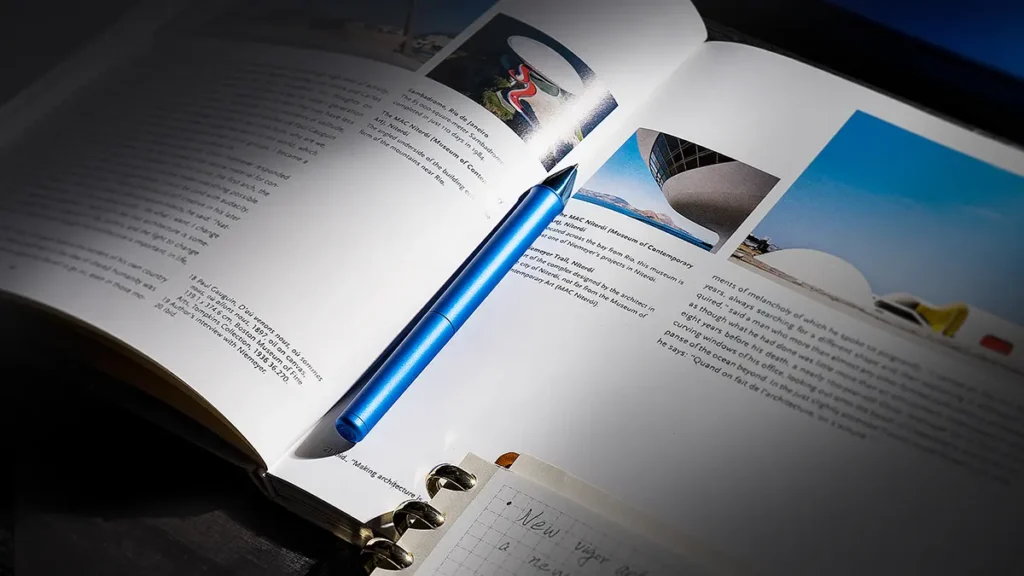
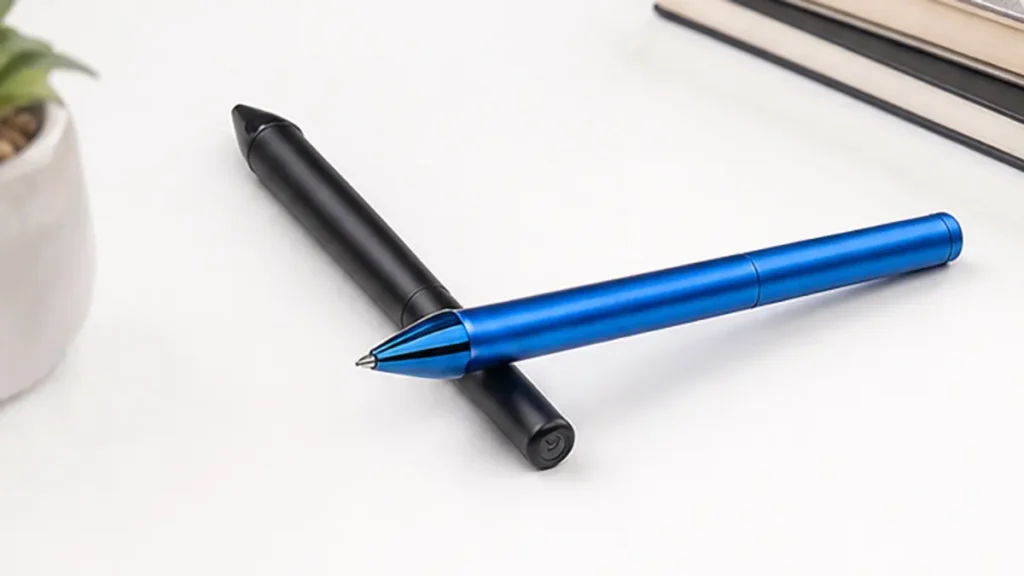
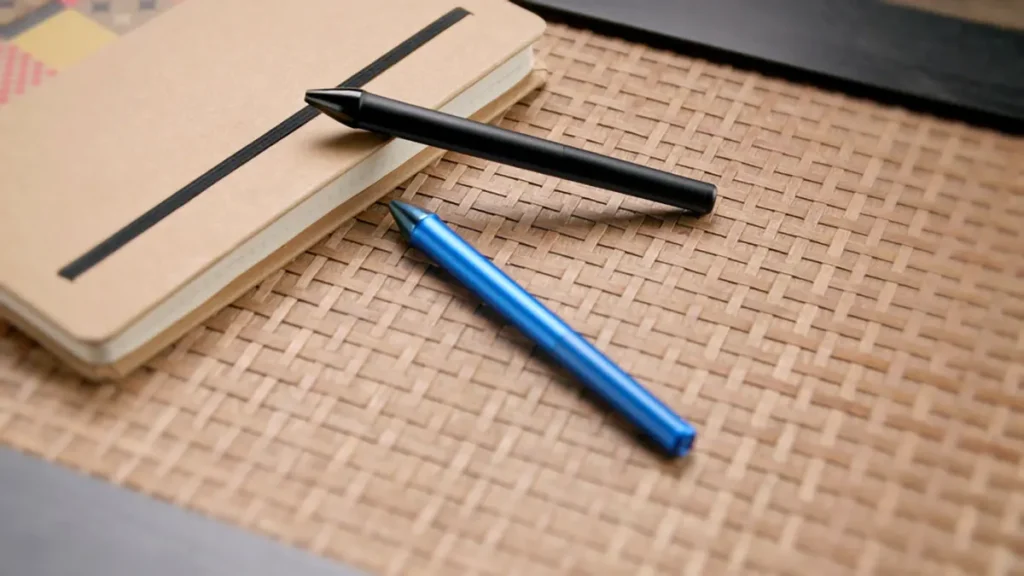
To make this happen, ORBIT uses a stainless steel balance core paired with an electroplated stainless steel tip and a sandblasted anodized aluminum body. The result is a pen that weighs where it matters without feeling like a metal baton. The front-third balance also contributes to what the company calls a “natural tip drop,” where the pen naturally settles into a writing position.
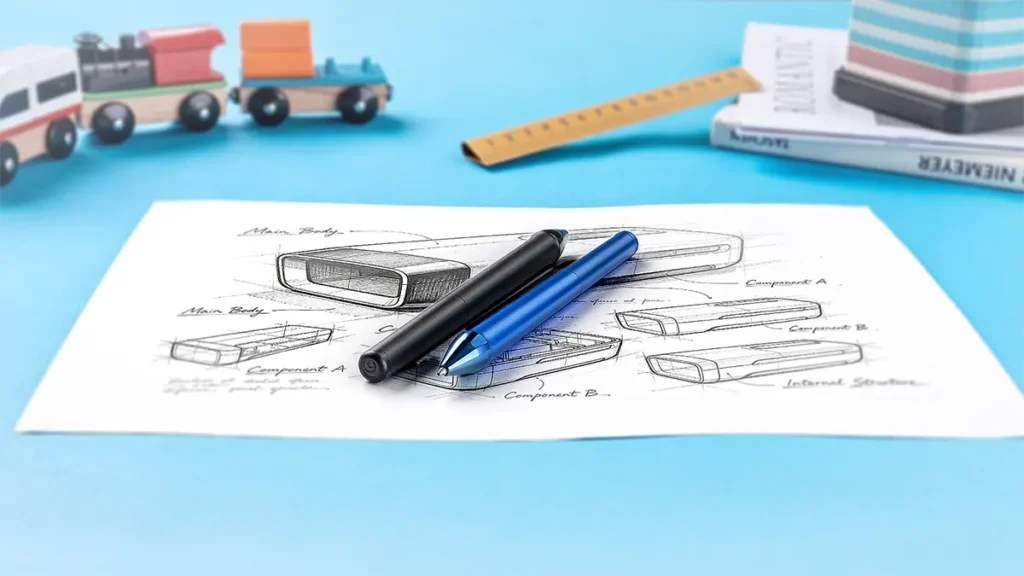
The balancing act does not stop there. Thanks to its internal weighted structure, ORBIT is self-stabilizing too. Place it on a surface with up to a 5-degree tilt, and it will settle into a stable resting position instead of rolling away in search of freedom. Anyone who has watched a pen commit a slow-motion escape from a desk will appreciate this feature.
The refill situation is equally practical. ORBIT ships with a Schmidt P900 refill, chosen for its smooth, low-resistance writing feel. Better still, it supports more than 100 Parker-style refills from brands including Parker, Rotring, Zebra, OHTO, Schneider, Monteverde, Kaweco, Pelikan, and more. One pen. Plenty of ways to write.
The dimensions are equally straightforward. ORBIT measures 140 mm long, has a 13.5 mm maximum diameter (11.5 mm for the main body), and features a fixed spring design that eliminates the tiny runaway spring that inevitably disappears whenever you replace a refill.
Inspired by the golden ratio and built around the simple idea that writing should feel natural, ORBIT is one of those products that takes something most of us never think about and asks, “What if we obsessed over this for a while?” Whether it truly changes the writing experience is something only your hand can decide. But you have to admit, a self-balancing pen is a pretty neat place to start.
If you are ready to let a balanced pen do some of the heavy lifting, you may want to join the 220 backers on Kickstarter who have already pledged more than US$16,000 to secure one. A pledge of £45 or more will get you started.
The campaign has already met its funding goal, so all that remains is for the clock to run out and for orangered life to deliver on its promise.

Disclosure: This article may include affiliate links. If you buy something through them, we may earn a small commission at no additional cost to you. Think of it as a tiny thank-you for helping us continue covering gadgets, toys, watches, cars, and other things nobody strictly needs, but many of us desperately want. Our editorial opinions remain our own.
Images: Orangered Life.