Daylighting is the utilization of natural light in the indoor environment. It is an environmentally friendly method that helps energy efficiency and indoor environments. However, daylighting systems need to be installed with some forethought. Their efficiency and functioning depend on various factors. This guide provides several things to keep in mind while installing for the best success.
Assessing Space Needs
Assessing the space before installation is very important. The way daylighting systems will function will depend on the layout of the area, its size, and its purpose. Natural light is enhanced in the open spaces with fewer partitions. On the other hand, rooms accommodating many partitions may need extra treatments. Knowing the places that get the sunlight can help with planning.
Understanding Building Orientation
Daylighting is greatly affected by a building’s positioning with respect to the sun. Southern and eastern exposures generally have the most light. This orientation can determine where you put windows, skylights, or other avenues of light. Knowing the sun’s path during the day is essential to optimizing light entering the house. One must also keep seasonal factors in mind.
Choosing the Right System
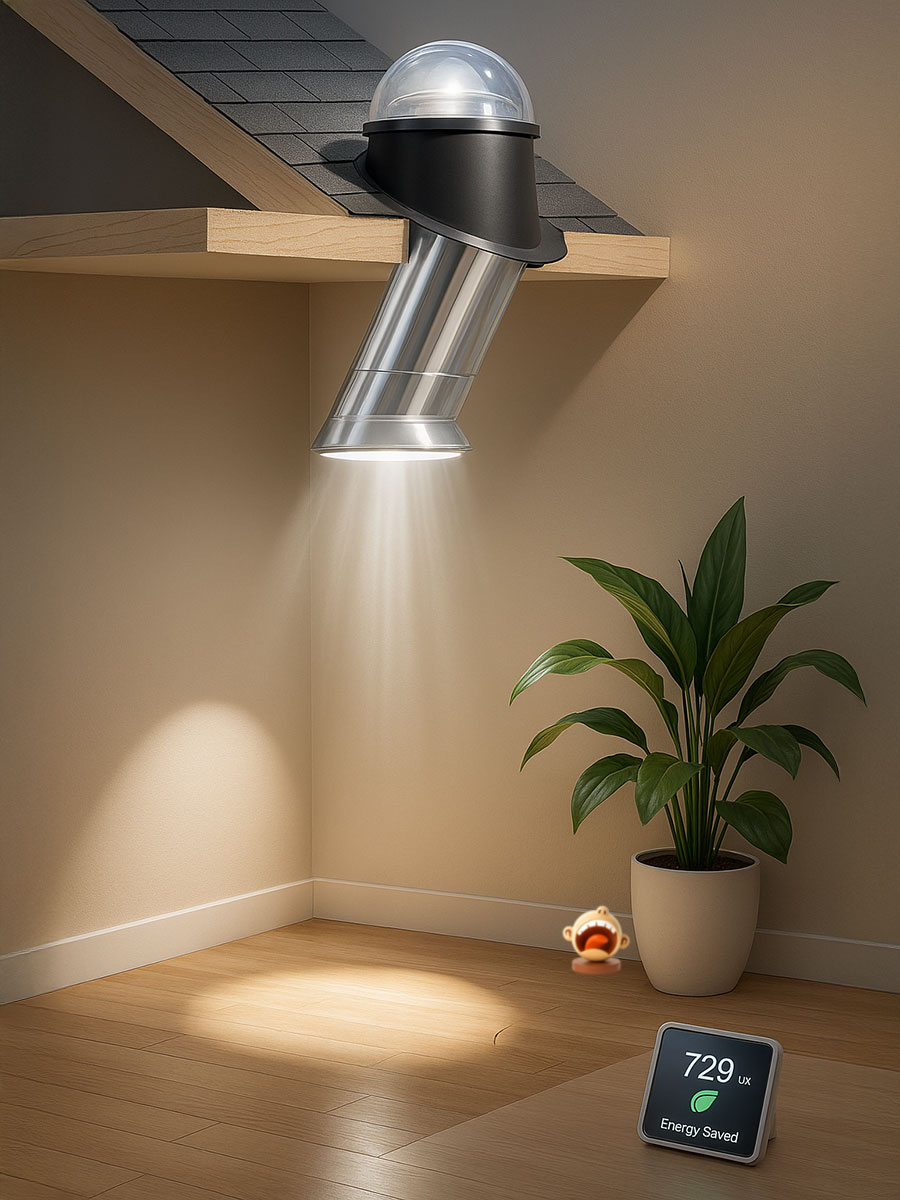
There are various daylighting solutions, each with its advantages. Common ones are skylights, tubular daylight devices, and light shelves. Skylights provide unobstructed light from above, though you need to be careful where you place them so as not to overheat. Tubular devices direct light to deeper areas, while light shelves bounce sunlight deep into areas. The system you choose will depend on the architecture of the building and the lighting requirements.
Evaluating Energy Efficiency
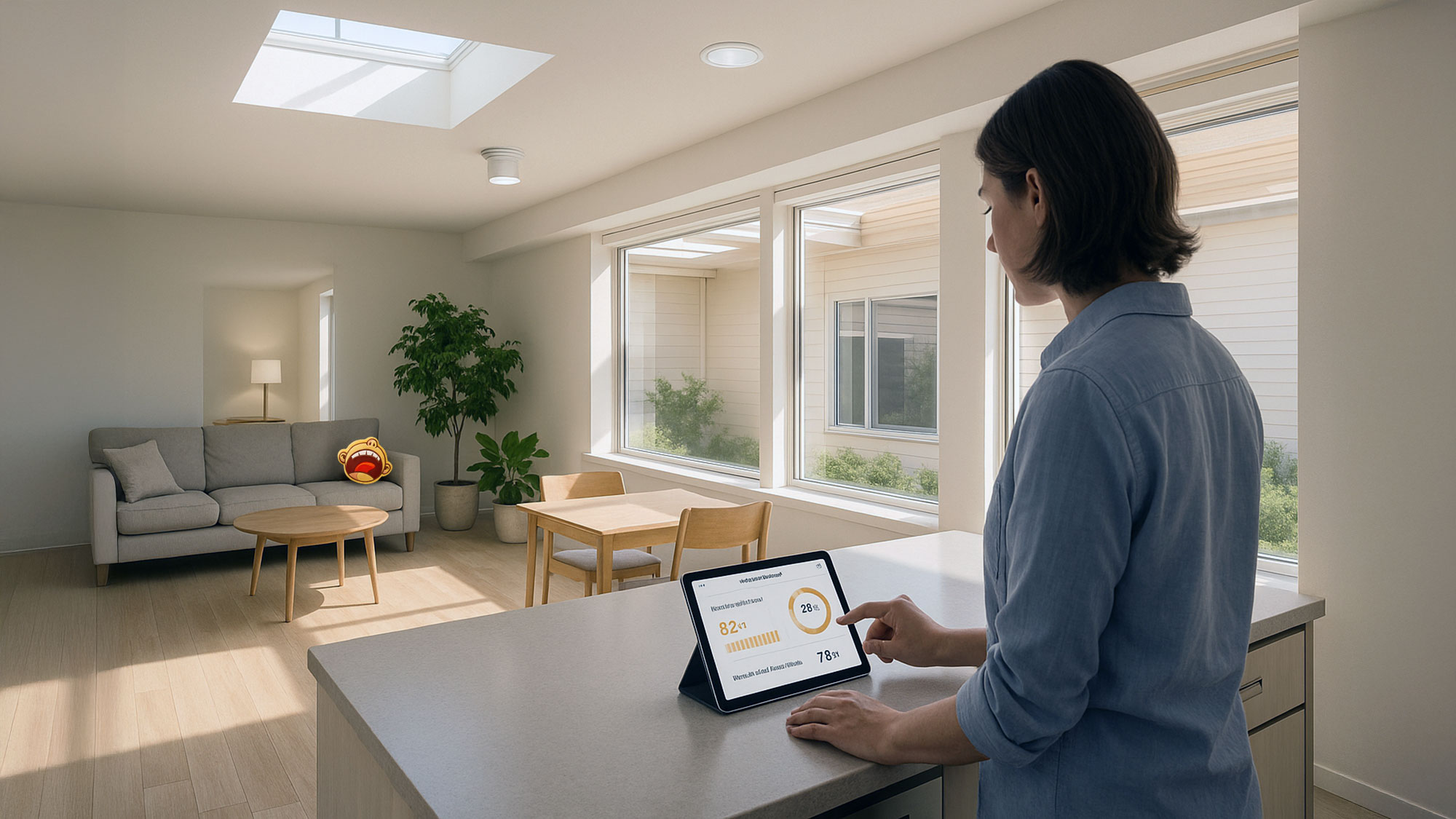
Energy savings are one of the key advantages offered by daylighting. Minimizing the usage of artificial lighting can help reduce utility costs. Optimize this benefit by pairing your daylighting with smart controls. They control artificial lighting to the level of natural light to ensure the highest level of efficiency.
Considering Material and Design
Moreover, one of the influential factors on the performance of daylighting systems is the type of materials used. In this scenario, glazing, for instance, would be expected to have performance traits that facilitate low solar heat gain and high visual light transmittance in the appropriate context. Design should be able to avoid glare and distribute light uniformly. Design can avoid discomfort and promote the usability of spaces.
Addressing Heat Gain and Loss
Even though daylighting allows for natural light, it can also affect indoor temperature. This can impact comfort and energy use through excessive heat gain in summer or heat loss in winter. By utilizing insulated glazing and shading devices, the above imperfections would be reduced, and an attractive indoor climate would be retained. Be careful to find a happy balance between light entry and temperature management.
Ensuring Proper Installation
Good installation results in a better functioning and longer-lasting system. Professionals have the skills required for the appropriate installation of your system. They will be able to identify the major roadblocks and ensure that they implement ways to avoid them to get things running smoothly and efficiently. Sealing and proper alignment are imperative for avoiding leaks and maximizing efficiency.
Considering Maintenance Needs
Scheduled extracts increase the life expectancy of the daylighting systems. When skylights and light channels are clean, there is no dirt buildup to obstruct light transmission. Regular inspections can allow you to catch problems early. By implementing a maintenance plan, the system runs smoothly.
Exploring Aesthetic Impact
The light’s functionality is not the only thing it brings — it also adds to the aesthetic. Sunlight illuminates architectural details and is a natural invitation. Daylighting specifically impacts the visual quality of space. When cleverly integrated, it can do quite a lot to elevate the design and transform interiors.
Understanding Cost Implications
Although daylighting systems help cut energy costs, the initial investment varies from project to project. Prices vary based on many variables, such as system type, building size, and installation complexity. Comparing long-term savings with initial costs can give an informed answer. Additionally, rebates or incentives for energy-efficient installations can subsidize costs.
Conclusion
Daylighting systems can save energy and improve health, making them a great installation option. Thoughtful consideration of space requirements, building orientation, and the type of system adequately prepares them to deploy them. An improved performance comes from tackling energy efficiency, material selection, and maintenance requirements. When you consider these factors, you can successfully use daylight for any building, leading to brighter and climate-friendly spaces.
Disclaimer: This article is intended solely for informational purposes. It does not constitute engineering, architectural, or professional guidance. Mentions of specific systems, products, or service providers are for illustrative purposes only and should not be interpreted as endorsements. Readers are encouraged to seek appropriate consultation before implementing any daylighting strategies or related building modifications.