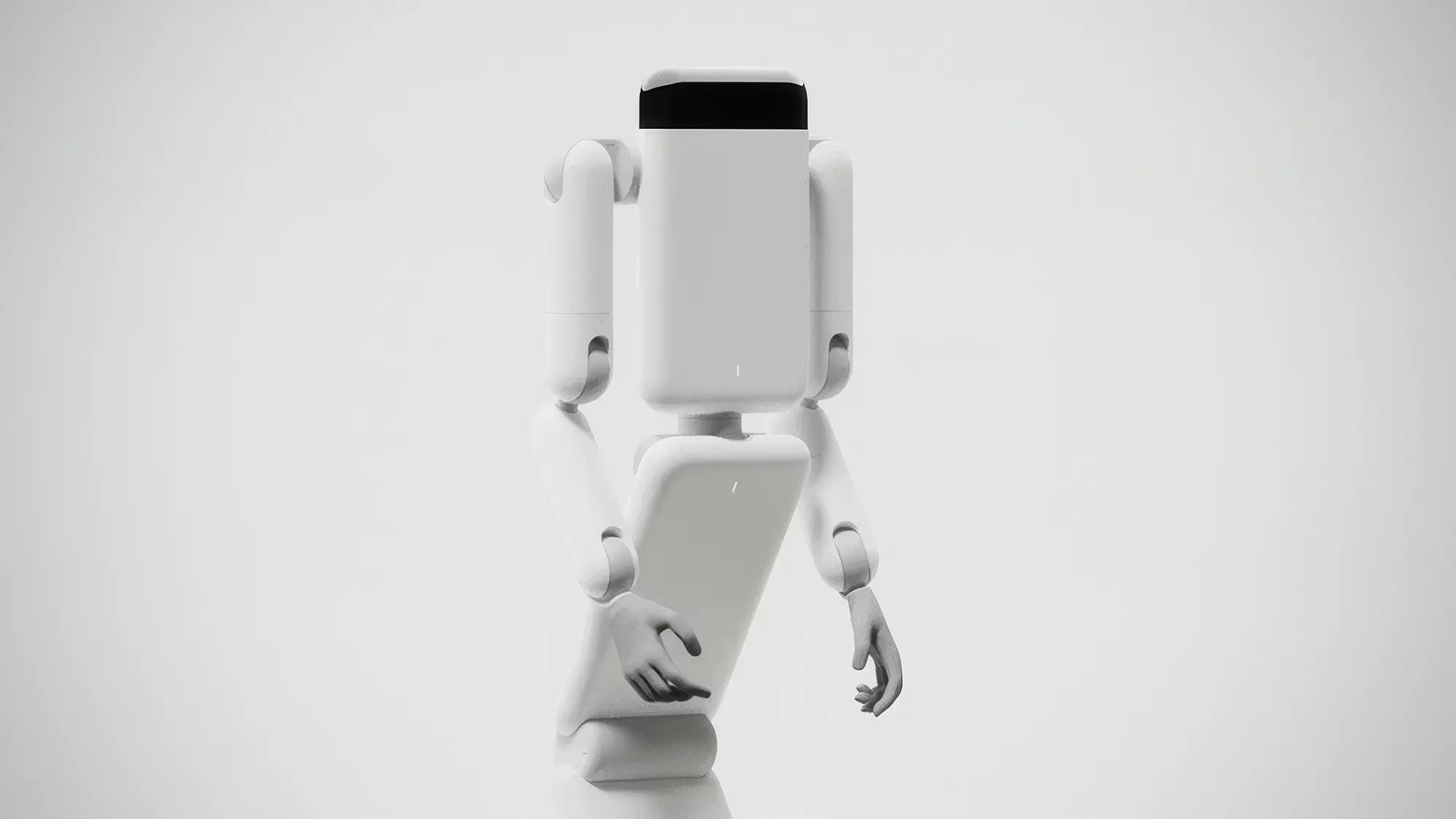
For years, the robotics industry has been obsessed with one goal: building robots that look like us. Two legs, two arms, a head, and hopefully enough balance not to topple over. Meanwhile, Genesis AI does not. It wants robots to be practical, not human-like, because having human anatomy does not necessarily make a robot practical.
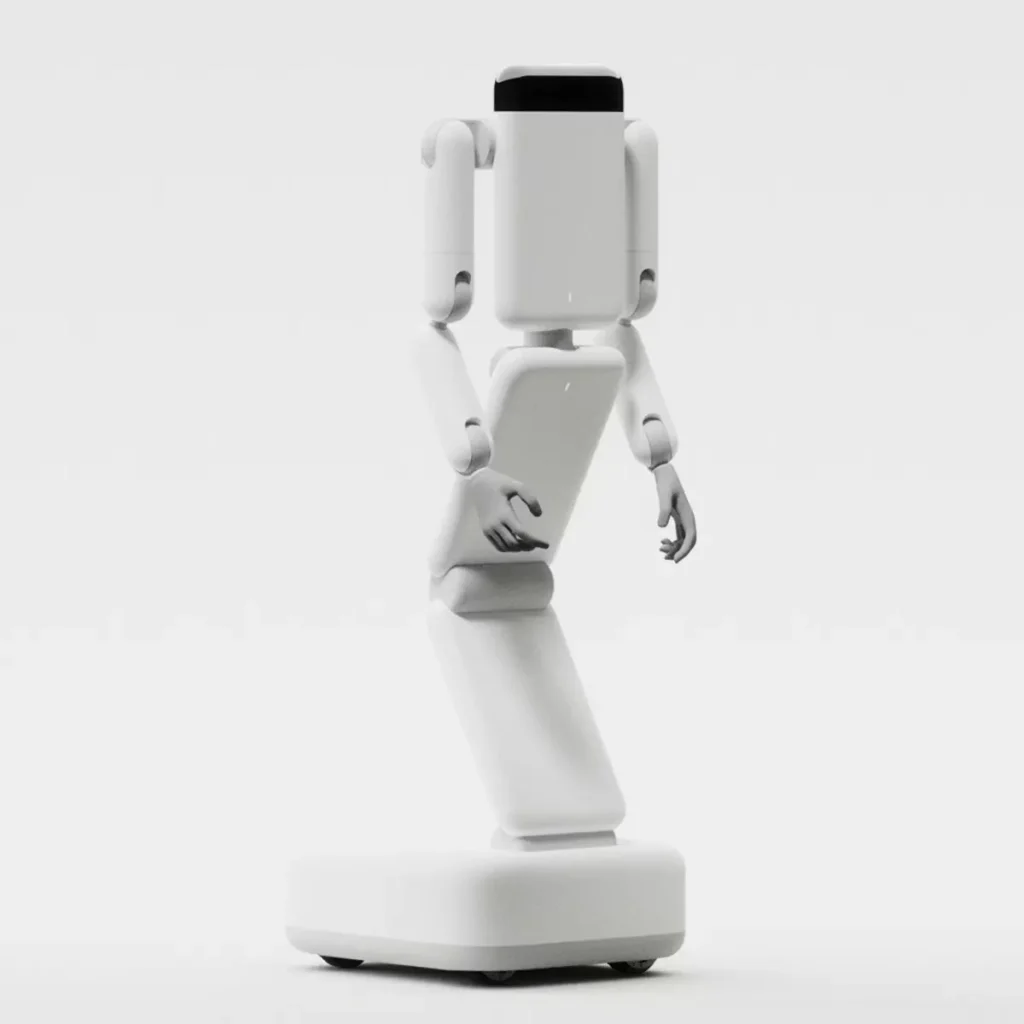
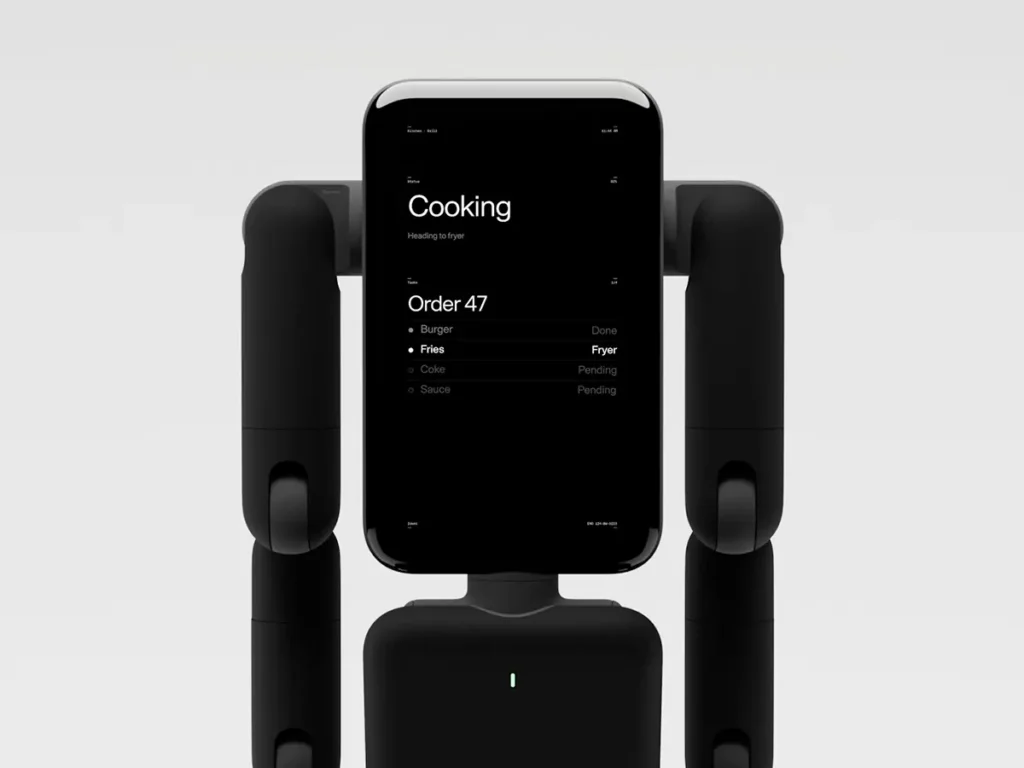
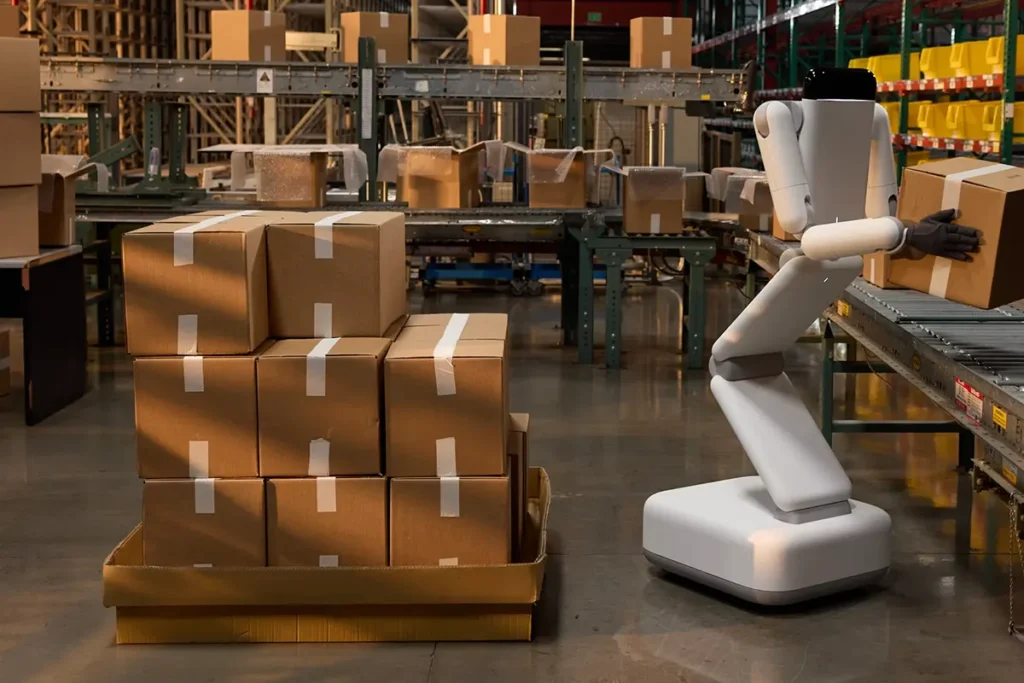
Anyhoo, Genesis AI’s answer is Eno, a general-purpose AI robot that ditches legs altogether in favour of a wheeled base. It may not be winning any humanoid beauty contests. The fact that it does not have a head proves that it was never trying to. Wheels are faster, more efficient, mechanically simpler, and far less likely to end up sprawled across a warehouse floor after an awkward encounter with gravity.
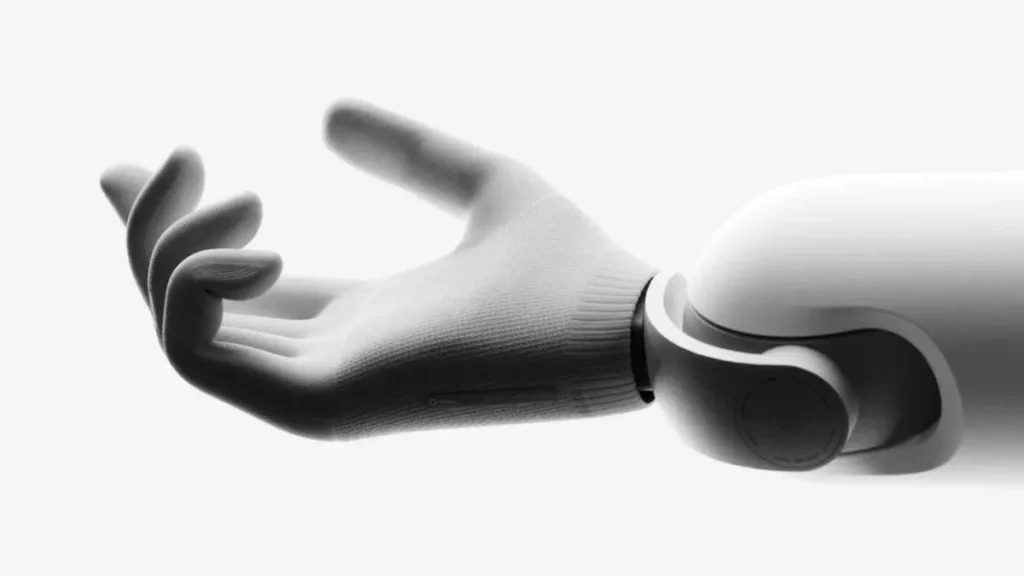
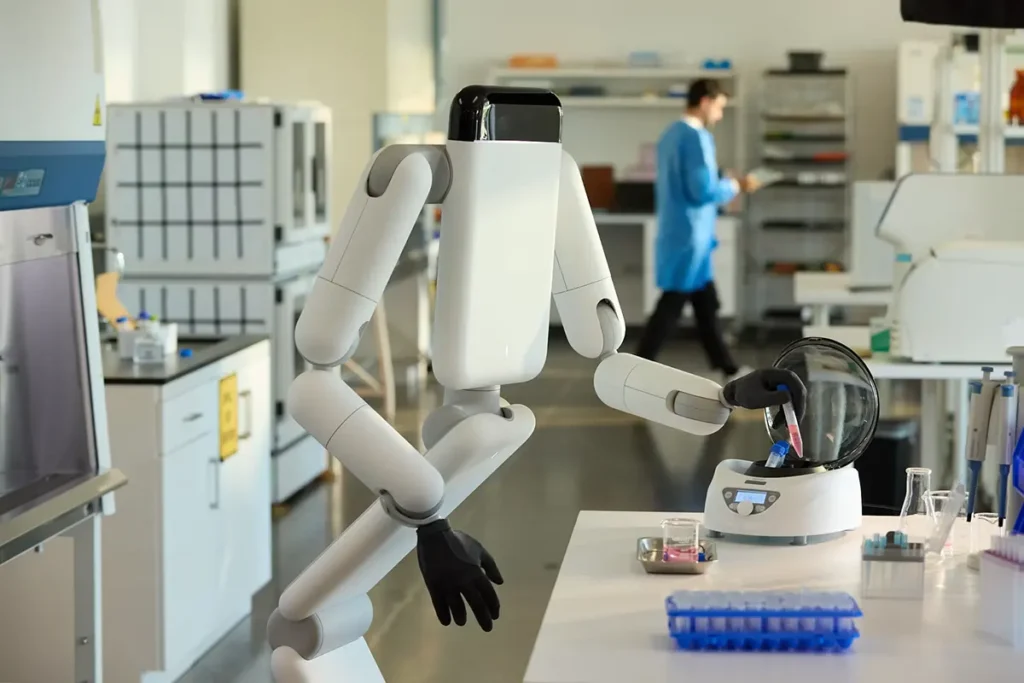
What Eno does borrow from humans is something far more important: our hands.
Equipped with dexterous robotic hands capable of manipulating everyday objects, Eno was built to work in environments already designed for people. It can grip tools, operate equipment, press buttons, open doors, and handle delicate tasks without asking businesses to redesign their workplaces around a robot.
Powering it all is Genesis AI’s robotics foundation model, GENE. Rather than repeating the same programmed motions over and over, Eno can interpret instructions, adapt to changing situations, and learn from experience. That makes it suitable for everything from laboratories and factories to logistics centres, with hospitals and even homes on the company’s long-term roadmap.
It is a refreshingly practical approach. Instead of spending years teaching a robot how to walk like a human, Genesis AI focused on building one that can actually get work done. If the shortest route across a factory floor is on wheels, why insist on legs?
Eno may not look like the robots Hollywood promised us, but it raises an interesting possibility. Perhaps the future of robotics won’t be defined by machines that resemble humans. Perhaps it will belong to the ones that quietly outperform us while rolling past on wheels. In this new era, Orwell’s famous maxim gets a mechanical upgrade: two legs bad, wheels good. Maybe?
Now for the good news. Eno is something you can actually buy—or at least businesses will be able to. Genesis AI plans to roll it out to manufacturers, logistics companies, laboratories, and other commercial customers first. There is no launch date or price yet, but if Eno has piqued your interest, you can learn more on the product page or join the waitlist.
Images: Genesis AI.