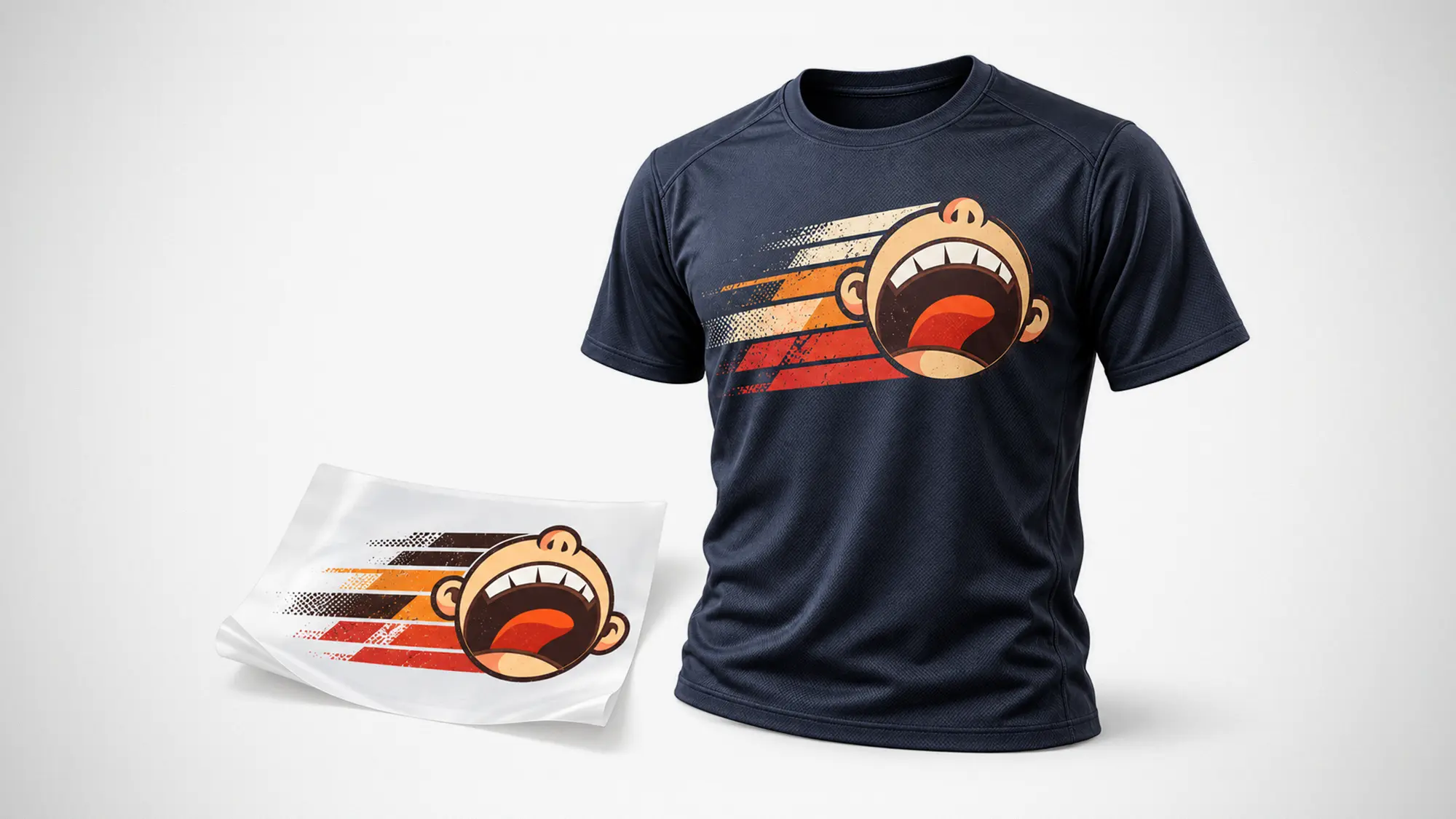
Performance tees, running shirts, and jerseys are built to stretch, wick sweat, and dry fast. Those same qualities make them harder to print than a plain cotton tee. Use the wrong method and a crisp graphic can crack, fade, or turn a strange shade as dye from the fabric bleeds into the ink.
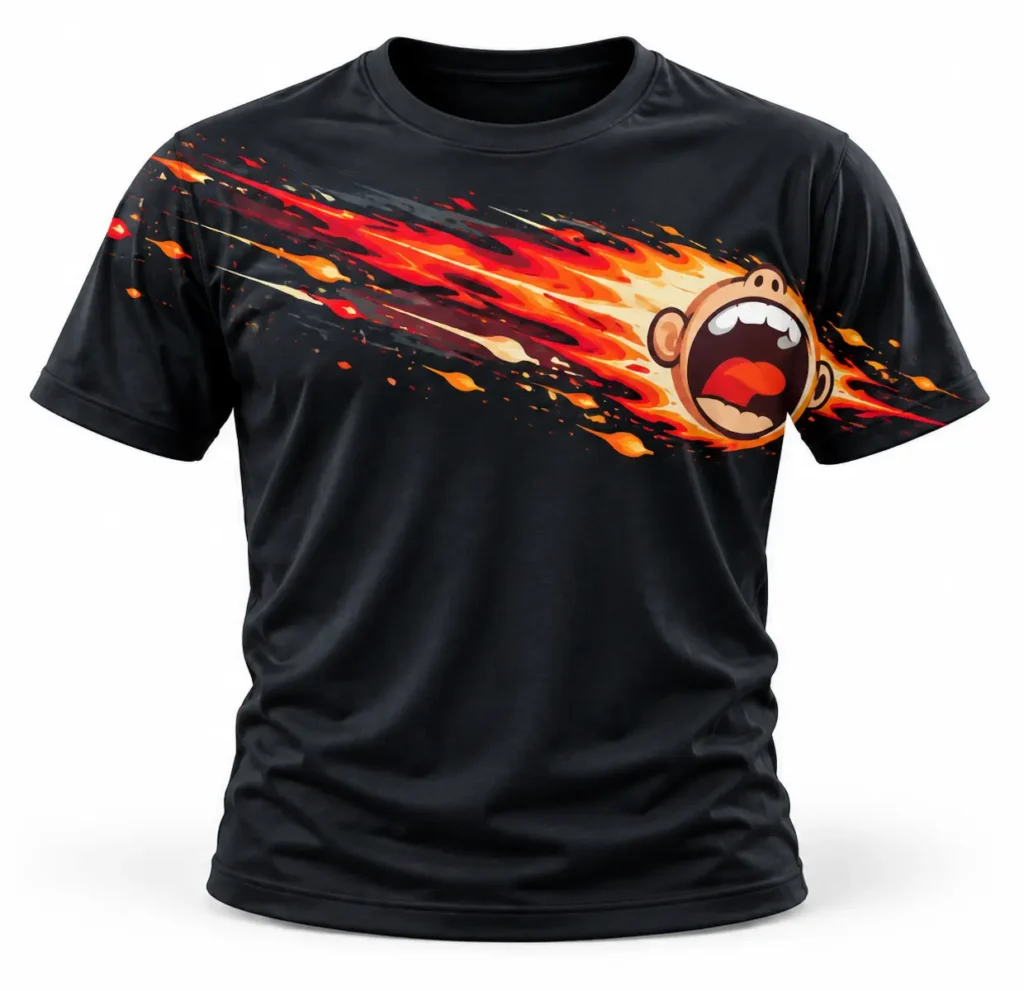
The good news is that polyester prints beautifully when you match the method to the fabric. This walkthrough explains why polyester behaves differently, compares the main print methods, and shows how to order a custom performance piece without owning a heat press.
Key Takeaways
- Heat is the main risk. Application heat can cause polyester dye to migrate into some inks and vinyls, discoloring the design.
- Sublimation needs polyester. It bonds dye into the fibers, so it works on polyester but not on cotton.
- Film transfers suit performance wear. Direct-to-film methods handle polyester, blends, and performance fabrics.
- DTG is a cotton method. Save direct-to-garment printing for cotton tees and hoodies.
- You don’t need equipment. Print-on-demand services match the method to the fabric for you, with no minimum order.
Why is Polyester Harder to Print?
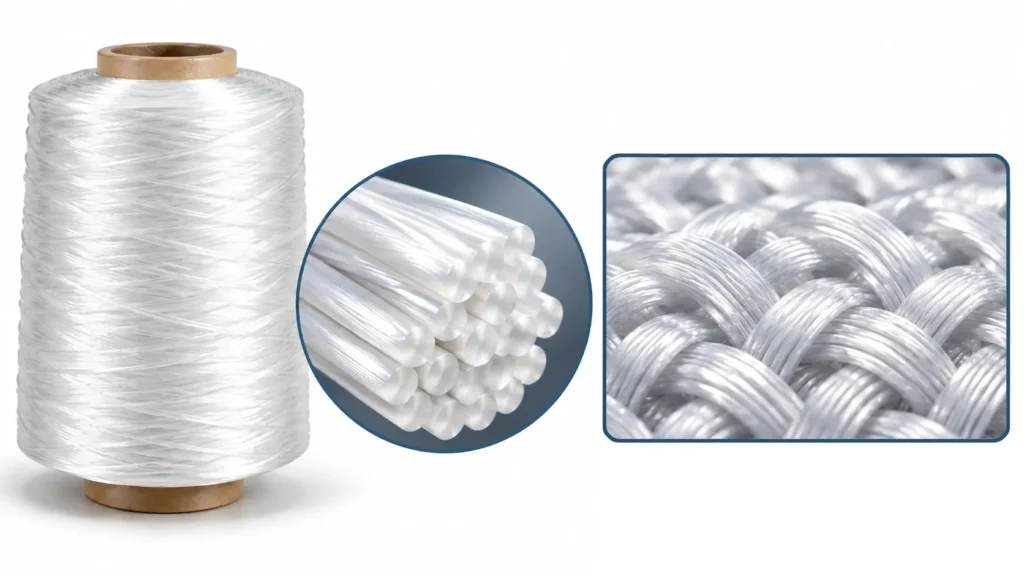
Polyester is a synthetic fiber, and that changes how ink and heat behave on it.
Dye migration. The dyes used to color polyester can become active again under heat. STAHLS’ dye-migration handbook explains that application heat can cause that dye to bleed into heat-transfer vinyl or plastisol ink, so a white graphic on a red jersey may slowly turn pink. Lower-temperature methods and inks made to resist bleeding help prevent it.
Stretch and movement. Performance fabrics flex with the body. A stiff, thick print layer is more likely to crack when the fabric stretches during a run or workout.
Moisture-wicking finishes. Many performance fabrics are made to move sweat away from the skin, so a heavy print over a large area can make that part of the garment less breathable. Smaller placements or methods that become part of the fabric avoid the problem.
Comparing Print Methods for Polyester
No single method suits every performance garment. The right one depends on the fabric content, the garment color, and how much of the piece the design covers.
| Method | How it works | Best for on polyester | Watch out for |
| Sublimation | Heat turns dye into a gas that bonds into polyester fibers | All-over prints on light-colored polyester | Needs high polyester content; doesn’t work on cotton |
| Direct-to-film (DTF) | Design is printed on film and heat-pressed onto the fabric | Logos and graphics on performance tees, jerseys, and outerwear | Choose a product offered with the method |
| Screen printing | Ink is pushed through a mesh stencil | Large runs of simple designs | Needs low-bleed inks on dyed polyester |
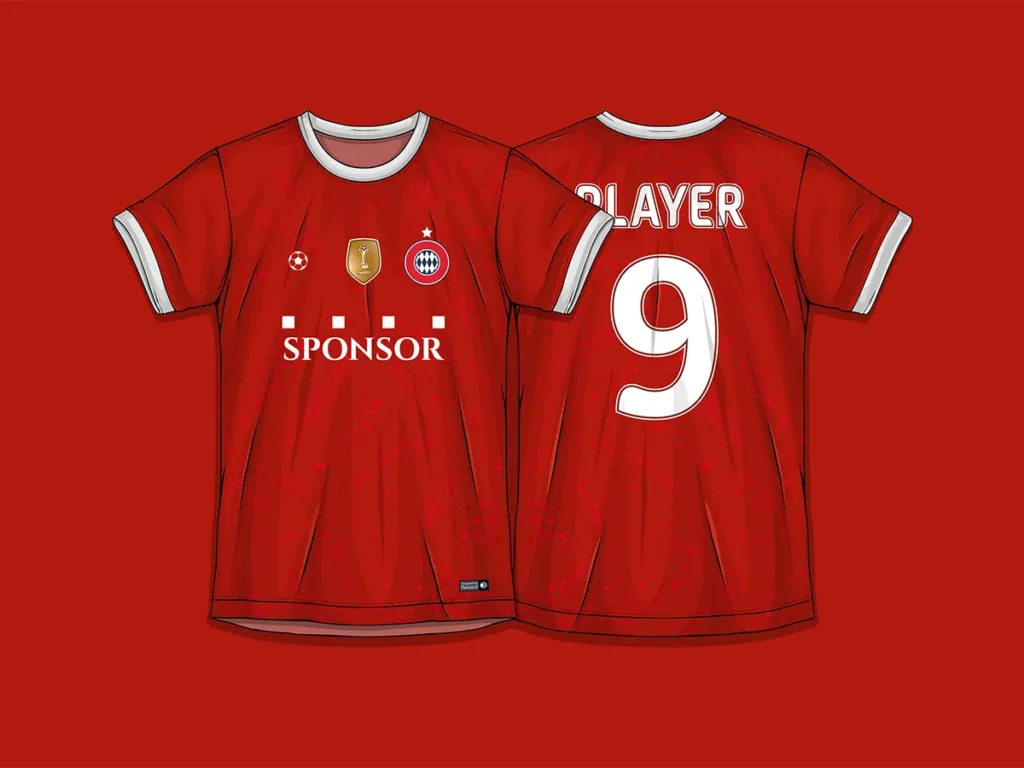
| Heat-transfer vinyl | Cut vinyl is pressed onto the garment | Names and numbers on jerseys | Can bleed or crack if the vinyl isn’t made for polyester |
| Embroidery | Thread is stitched into the fabric | Small logos on polos, hats, and fleece | Dense stitching can pucker thin, stretchy fabric |
Sublimation. According to ink maker Sawgrass, conventional textile sublimation requires polyester content. Because the dye becomes part of the fiber, the print won’t crack or peel, which makes it a favorite for all-over activewear. It works best on white or light polyester.
Direct-to-film. DTF prints the design onto a film, then transfers it with heat. It handles polyester, blends, and performance fabrics well, and it keeps colors vivid on dark garments where sublimation can’t.
DTG. Direct-to-garment printing sprays ink straight onto the fabric and is designed for cotton. For a polyester performance shirt, look for DTF or sublimation instead.
Ordering Performance Apparel Without a Heat Press
You don’t need a heat press, a sublimation printer, or a box of vinyl to get a good result on polyester. Print-on-demand services match each product to a suitable method, so the production decisions stay with them.
Printful is a practical example. Its DTFlex method is Printful’s own direct-to-film printing, listed for polyester, material blends, and performance fabrics, and recommended for performance shirts, jerseys, outerwear, and hats. Its all-over print covers products seam to seam on polyester and cotton items such as leggings and hoodies, while embroidery suits polos, hats, and fleece jackets.
It isn’t only for big orders or online sellers, either. To create custom clothes for yourself, open the catalog, pick a product, add your design or logo in the free Design Maker, and place your order. There are no order minimums or setup fees, and Printful prints on familiar blanks from Gildan, Bella+Canvas, Champion, and Comfort Colors.
If you’re outfitting a running club or team, orders of 25 or more of the same product qualify for bulk discounts, even when you mix sizes, colors, and designs. Printful ships worldwide, with delivery times depending on the product, order size, and destination.
Designing Artwork for Polyester
The method does the heavy lifting, but a few design choices make performance prints look better and last longer.
Keep heavy coverage where it belongs. A large solid block of ink on a running shirt can feel stiff and trap heat. Line art, smaller chest marks, and open designs flex better and let the fabric breathe. If you want edge-to-edge color, choose an all-over print product instead of piling a big graphic onto a performance tee.
Plan for contrast on dark fabric. Sublimation can’t print white or light colors onto dark polyester, so bright artwork on a black jersey usually calls for a film transfer.
Size artwork at real print dimensions. A graphic that looks sharp on your phone can turn fuzzy at chest width. Work from the original file and follow the resolution requirements for the product you choose.
Use artwork you own. Use original artwork or designs you have the rights to, since performance gear is just as subject to copyright as a cotton tee.
Care and Final Checks
A good print on polyester still needs sensible care to last.
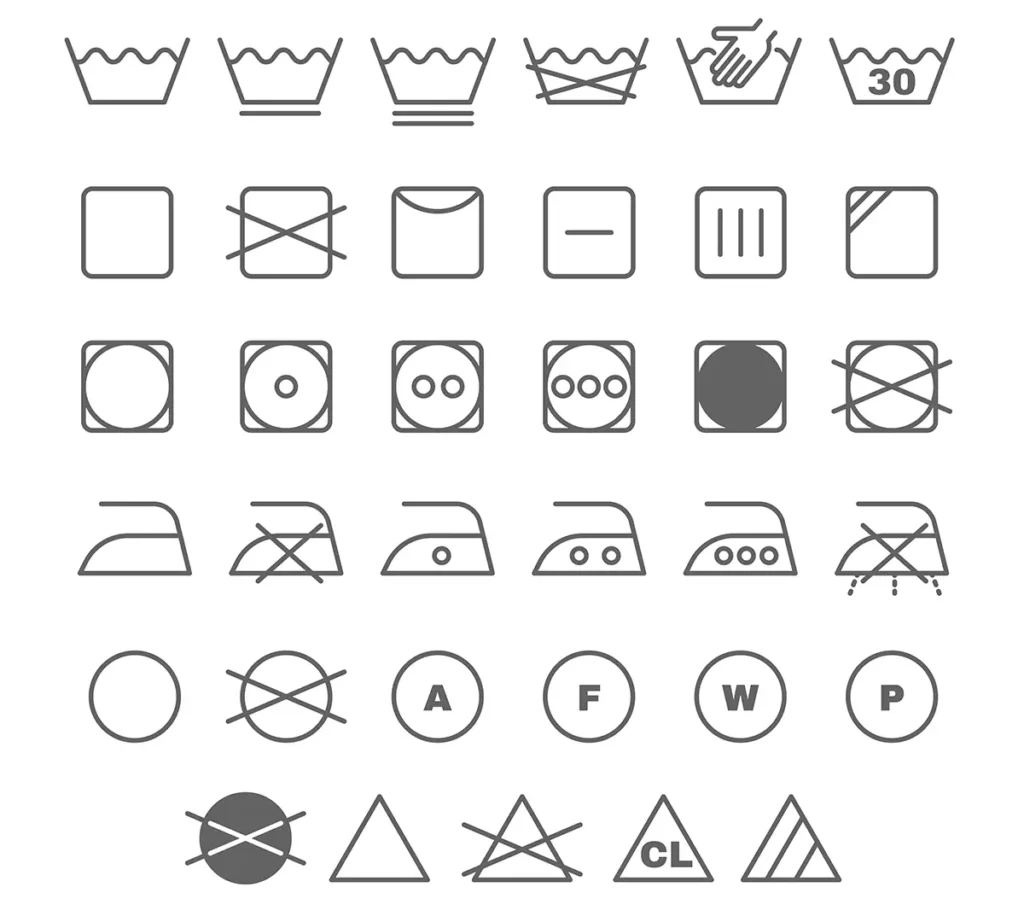
- Check the product page. Each product lists its fabric, so confirm the content before choosing a method and before washing.
- Wash cool and inside out. Lower heat is gentler on prints and reduces the risk of dye movement on synthetic fabrics.
- Skip high-heat drying and ironing on the print. Heat is what causes most polyester print problems in the first place.
- Order one piece first. Test the fit, stretch, and print on a single garment before ordering for a whole team.
Matching the Method to the Fabric
Printing on polyester comes down to managing heat and stretch. Sublimation gives crack-free all-over color on light polyester, direct-to-film handles bold graphics on performance tees and jerseys, and embroidery suits small logos on polos and hats. DTG is best saved for cotton.
If you don’t want to buy equipment, let a print-on-demand service pair the right method with each product. Keep the design simple and wearable, the way big franchises do when launching an official apparel brand, then start with a single test piece, check how it moves and washes, and scale up to a full team or club order.
FAQ
What’s the best way to print on polyester?
Sublimation works best for all-over designs on light polyester, while direct-to-film transfers suit graphics on performance tees, jerseys, and dark fabrics.
Why do prints on polyester sometimes change color?
Heat can reactivate the dye in polyester and make it bleed into the ink or vinyl, a problem known as dye migration. Lower-temperature methods and bleed-resistant inks help prevent it.
Can you use DTG on polyester?
DTG is designed for cotton. For polyester or performance fabrics, film transfers or sublimation usually give better results.
Can I order a single custom performance shirt?
Yes. Print-on-demand services such as Printful have no minimum order, so you can design and order one piece in the free Design Maker before ordering more.
Disclaimer: This article is intended for general informational purposes only. Printing results may vary depending on fabric composition, printing methods, equipment, and application conditions. Always follow the manufacturer’s recommendations and test on a sample garment before proceeding with larger orders.


