You want a chair that looks good in your living room, feels comfortable after a long day, and actually helps you unwind. The tricky part is knowing which features matter, which ones you can skip, and whether the chair will fit through your front door. This guide walks you through the practical decisions, from what the features feel like in plain English to measuring your space, checking safety details, and testing chairs in person before you commit.
Start with Your Goal
Before comparing models, decide what you want the chair to do most often.
Wind-Down Comfort vs Targeted Muscle Relief
If you mostly want something cosy for reading or watching TV, gentle rolling and light air compression may be enough. If you want firmer work on your shoulders or lower back after physical activity, look for stronger rollers and adjustable intensity. Your goal shapes every feature choice from here.
Everyday Lounging vs Quick Recovery
An everyday lounging chair should be quiet enough to use at normal TV volume and comfortable for longer sessions of 20 to 30 minutes. A recovery-focused chair may run louder programs with more aggressive kneading, which is fine if you do not mind the noise. Be honest about how you will use it most nights.
Who Will Use It
Consider the height range of everyone who will sit in it. A chair that fits someone 165 cm tall may leave a 185 cm person with rollers stopping short of their shoulders. If multiple people will share the chair, look for models with adjustable roller tracks and headrests. Also think about mobility. If someone has trouble standing up from low seats, powered lift or higher seat heights can help.
What the Features Actually Feel Like
Feature names can sound technical, so focus on the sensation and how much control you have.
Rollers in Simple Terms
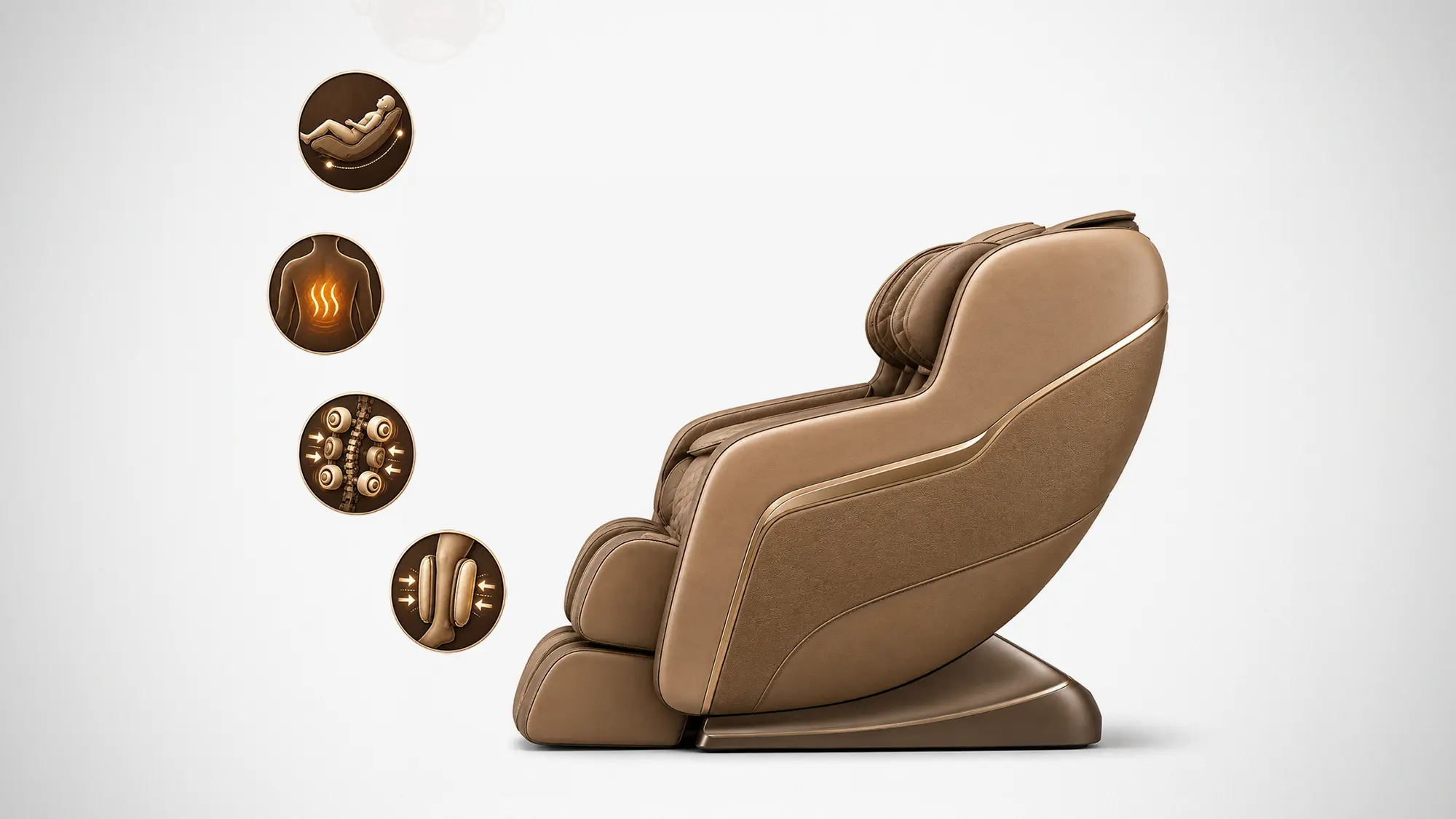
You will see labels like 2D, 3D, and 4D. In plain terms, 2D rollers move up and down your back. 3D rollers add depth, pressing in and out for firmer pressure. 4D rollers add changes in speed and rhythm. If you prefer a gentle touch, 2D or 3D on a low setting is usually fine. If you like a firmer feel, look at 3D or 4D with adjustable intensity.
Air Compression
Airbags built into the seat, arms, and leg rest inflate and deflate to create a hugging or squeezing sensation. It can feel especially good around the calves and forearms. If you carry tension in your lower legs, air compression can feel like a slow, steady hold. Adjustable levels let you dial it back if it feels too tight.
Heat Zones
Some chairs add warmth to the lumbar area, seat, or calves. This can feel soothing, like a warm towel on your lower back. Look for adjustable heat levels so you can keep it gentle. Fixed high heat can get uncomfortable after 15 minutes.
Zero-Gravity Recline
Zero-gravity mode usually means the chair tilts your legs above your heart and spreads your weight more evenly across the seat and backrest. Many people find this position more relaxing than sitting upright, though it is not a medical feature and results vary from person to person.
Fit and Ergonomics You Can Notice in 30 Seconds
A chair can have excellent features and still feel wrong if the proportions do not suit your body.
Seat Depth, Width, and Lumbar Support
When you sit down, your thighs should be supported without the seat edge pressing into the back of your knees. Your lower back should make firm contact with the lumbar area. If there is a gap, the chair may be too deep, or the lumbar curve may not match yours.
Headrest and Shoulder Reach
The rollers should reach the tops of your shoulders. If you are tall, look for extended tracks. If you are shorter, check that the headrest does not push your head forward. Adjustable headrests solve many sizing issues.
Controls and Access
A good remote should be easy to use without looking at it. Large buttons, a logical layout, and a side pocket you can reach while reclined all matter. Some chairs offer app controls, which can be convenient, but they should not be the only option.
Plan the Space Before You Buy
Measure the room and the delivery path before you compare colours or upholstery.
Footprint and Wall Clearance
Measure the spot where you want the chair and add clearance for full recline. Many chairs need 10 to 15 cm behind them, though wall-hugger models need less. Leave at least 60 cm of walkway around the chair so the room does not feel cramped.
Doorways and Delivery Path
Measure every doorway, hallway, and staircase between your front door and the room. Note the chair’s shipping dimensions and weight. Some models separate into two or three pieces for easier moving.
Power and Cord Management
You will need a nearby power outlet. Avoid running cords under rugs or across walkways. Follow the manufacturer’s manual for electrical setup and never use extension cords unless the manual says it is safe.
Materials and Look
The right finish depends on your climate, cleaning habits, pets, and existing furniture.
Leather, PU, or Fabric
Genuine leather ages well and feels premium, but it needs conditioning. PU leather is easier to wipe clean and is usually more affordable, though it can feel warm in summer. Fabric breathes better, shows some pet scratches less clearly, and comes in more colours. Choose the material you can maintain easily.
Colour and Silhouette
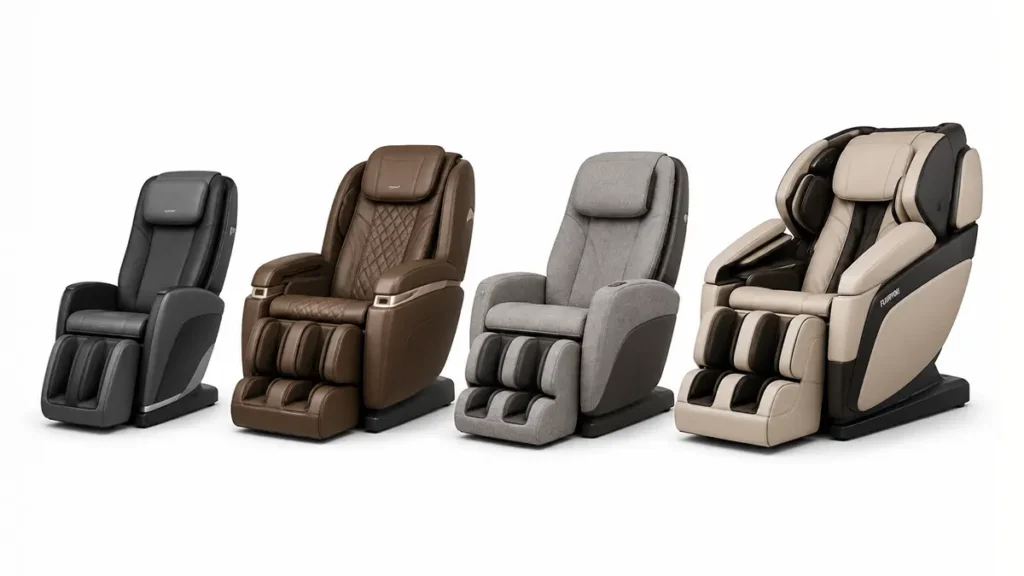
Darker tones, slimmer armrests, and open bases can help a large chair look less bulky in a small room. If your lounge leans modern, look for clean lines. If it is more relaxed, a chunkier profile may blend in better.
Build, Safety, and Warranty
A massage recliner is both furniture and an electrical product, so check comfort and compliance.
Safety Certification
For electrical products, a recognised safety mark shows the model has been assessed against relevant standards. In Australia, check for local compliance such as the Regulatory Compliance Mark and ask the seller for product safety information. If you are comparing overseas listings, remember that a foreign mark does not replace local requirements.
Warranty Anatomy
Warranties often split coverage into frame, electronics, motors, and upholstery. The frame usually gets the longest coverage. Electronics and motors are next, and upholstery is often the shortest. Read the fine print on what counts as wear and tear, and check who handles service in your area.
Support and Spare Parts
Ask whether the seller has local technicians or repair partners. Confirm that replacement parts, such as remote controls or airbags, are available. A comfortable chair with no local support can become expensive to fix.
Budget and Value
Set a budget around the features you will use, not the longest feature list.
Feature Tiers
As you spend more, you typically get more adjustability, quieter motors, better upholstery, and longer warranties. But you do not need every feature. A mid-range chair with good rollers, adjustable pressure, and air compression often covers most home needs.
Total Cost of Ownership
Factor in delivery, professional setup, possible service visits, and care products like leather conditioner. Some sellers include white-glove delivery with in-home setup, which can save you the hassle of moving a heavy box through the house.
Try Before You Buy
A short showroom test can reveal issues that are hard to spot in a product listing.
Run Two Programs and One Manual Tweak
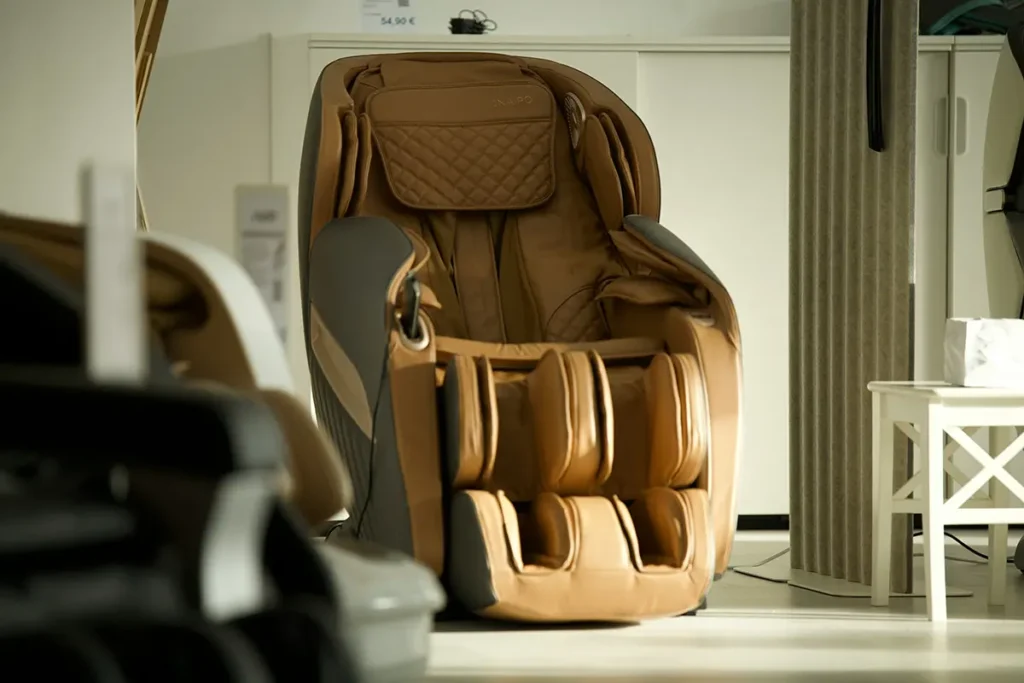
In a showroom, run two different auto programs. Note how the pressure feels on your shoulders and lower back. Then switch to manual mode and try adjusting roller intensity or air compression. If fine-tuning feels clunky or confusing, you will probably avoid it at home too.
Listen and Feel
Set the TV volume to normal conversation level and listen for motor noise. Can you hear it clearly? Check how quickly you can change settings without looking at the remote. Comfort is important, but so is living with the chair day to day.
Where to See Options in Australia
If you are shopping in Australia and want to compare sizes, test different programs, and feel the materials in person, visiting a showroom is the most practical step. Sitting in several chairs back-to-back makes it much easier to notice the differences that matter to you, and you can explore top massage recliner chair options to check showroom availability and delivery services across the country.
Setup and Day-to-Day Care
Good setup and simple maintenance help the chair stay comfortable and safe to use.
Delivery and Room Prep
Clear a path from the front door to the room. Protect hard floors with blankets or moving pads. Confirm whether your chair arrives assembled or needs setup, and follow the included instructions.
Care Basics
Wipe surfaces gently with a damp cloth. Keep air vents clear so the motors do not overheat. Avoid placing the chair in direct sunlight or next to a heater, as this can dry out upholstery over time. Always follow the care instructions in your manual.
Quick Picks by Use Case
Use these priorities to narrow your shortlist based on the room and the main user.
Compact Living Rooms
Look for wall-hugger recline, slimmer arms, and fabric upholstery in a lighter colour. These features keep the chair’s visual and physical footprint smaller.
Tall Users
Prioritise extended roller tracks, an adjustable headrest, and a deeper seat. If you are over 183 cm, test shoulder reach carefully.
Quiet Households
Look for lower-speed modes, well-insulated casings, and smooth motor movement. These details help reduce noise during TV time or when others are sleeping nearby.

FAQs
These common questions are worth checking before you choose a model for daily use.
What is the difference between a massaging recliner and a full-size massage chair?
A massaging recliner is typically designed to look and function like everyday lounge furniture, with a slimmer profile and living-room-friendly styling. A full-size massage chair is usually larger, heavier, and built with more advanced roller systems. Recliners tend to fit smaller spaces more easily, while full-size models may offer broader coverage from shoulders to feet.
How long should a typical session last for comfortable use at home?
Most manufacturers recommend 15 to 30 minutes per session. Starting with shorter sessions and increasing gradually is sensible, especially if you are new to massage chairs. If anything feels uncomfortable, stop the session and choose a gentler setting next time.
Is it okay for older adults to use these chairs?
Many older adults enjoy these chairs, but it is worth talking to a clinician before using strong massage settings, especially if you have circulation concerns, osteoporosis, or other health conditions. Start on the gentlest setting and make sure you can get in and out of the chair safely.
What should I check in a warranty before I buy?
Look at how the warranty splits coverage between the frame, motors, electronics, and upholstery. Check whether labour and parts are included or sold separately. Confirm who handles service in your region and what counts as normal wear and tear.
Conclusion
Choosing the right recliner with built-in massage comes down to matching the features, fit, and finish to your room and daily habits. Measure your space, understand which features matter for your comfort, and pay attention to safety marks and warranty details. If you can, visit a showroom to sit in a few chairs before you decide. A 10-minute test tells you more than any spec sheet.