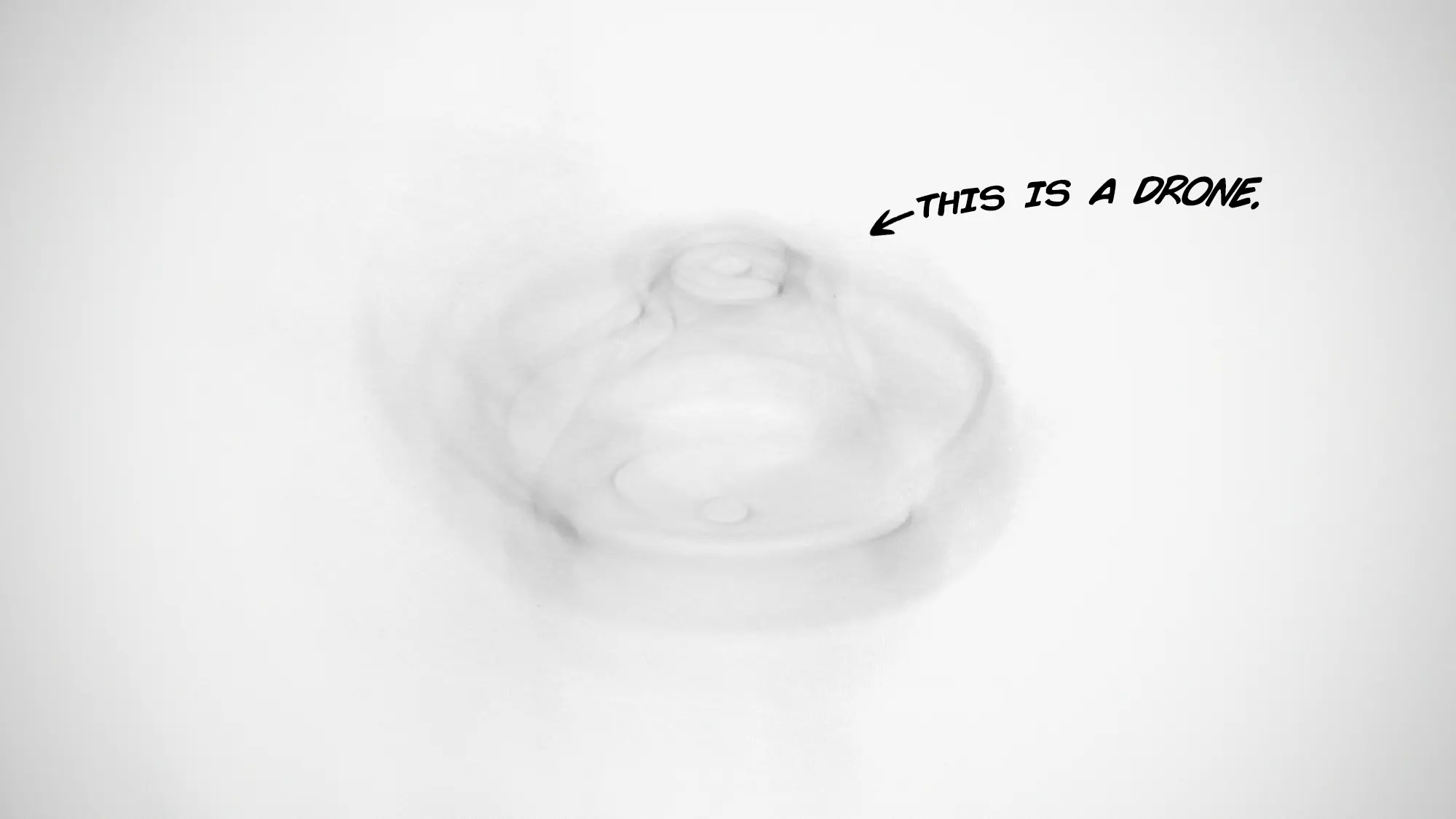
You know how some footage of unidentified flying objects appears ghostly? Well, Northwestern University may have inadvertently offered an explanation. Perhaps those UFOs were spinning so fast that they created motion blur, making them appear faint and almost imperceptible. That is essentially what engineers at Northwestern University in Evanston, Illinois, have achieved.
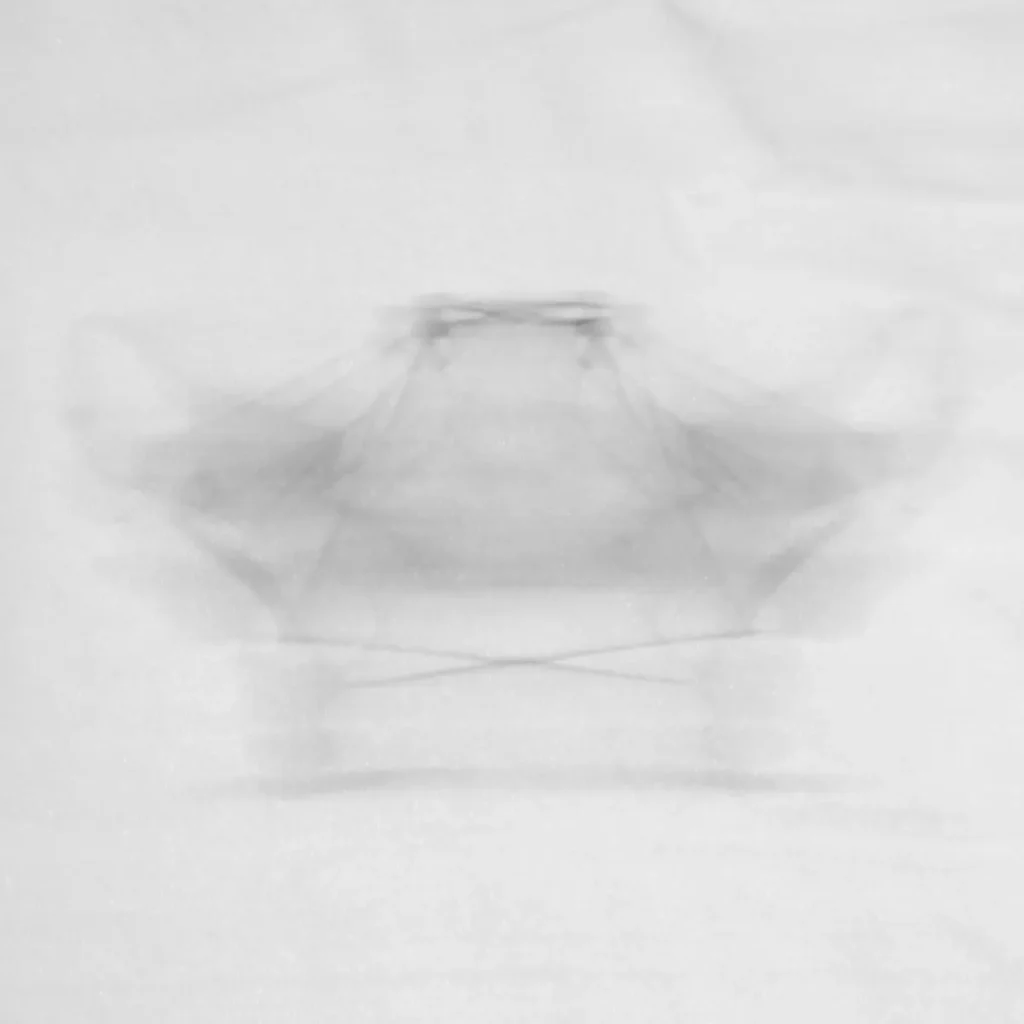
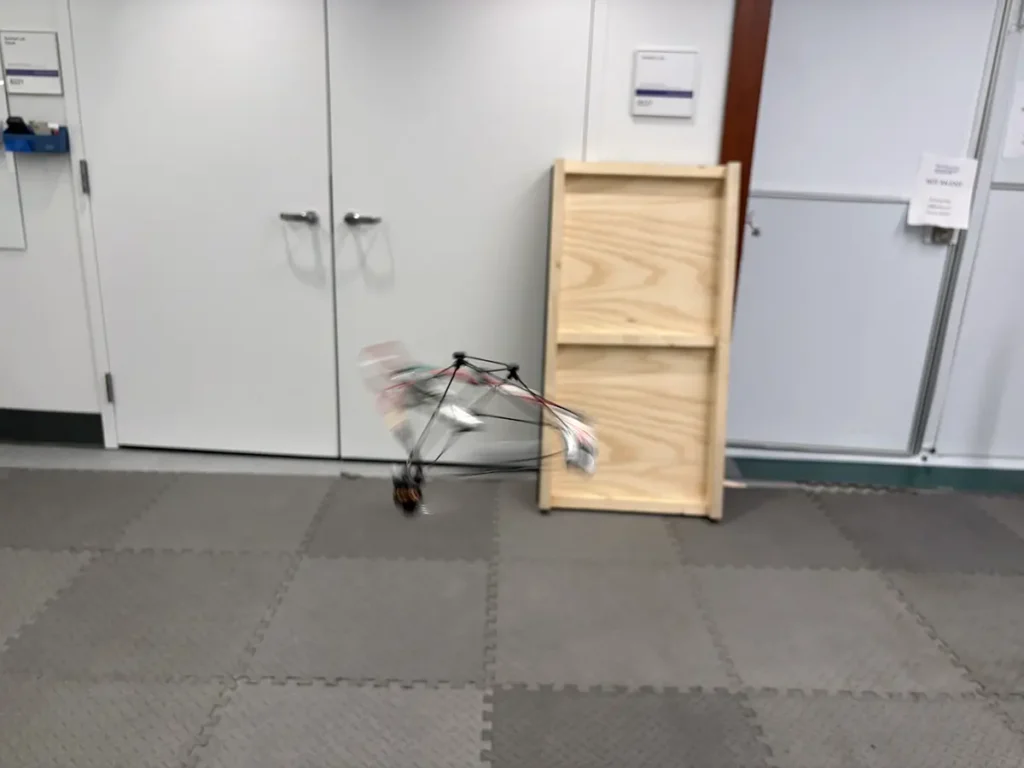
Called Phantom Twist, the experimental drone harnesses motion blur to make itself almost transparent. Against a white background, it appears nearly invisible. Put it in front of a colored or complex background, and it looks like a ghostly smudge floating through the air. Aliens may be disappointed that we have cracked their secret.
Obviously, Phantom Twist is not truly invisible. You will not find any Klingon cloaking device or light-bending wizardry here. Instead, the drone takes advantage of how human vision processes objects moving at high speed. The effect is similar to a fast-spinning fan: you know the blades are there, but your eyes can no longer see them clearly.
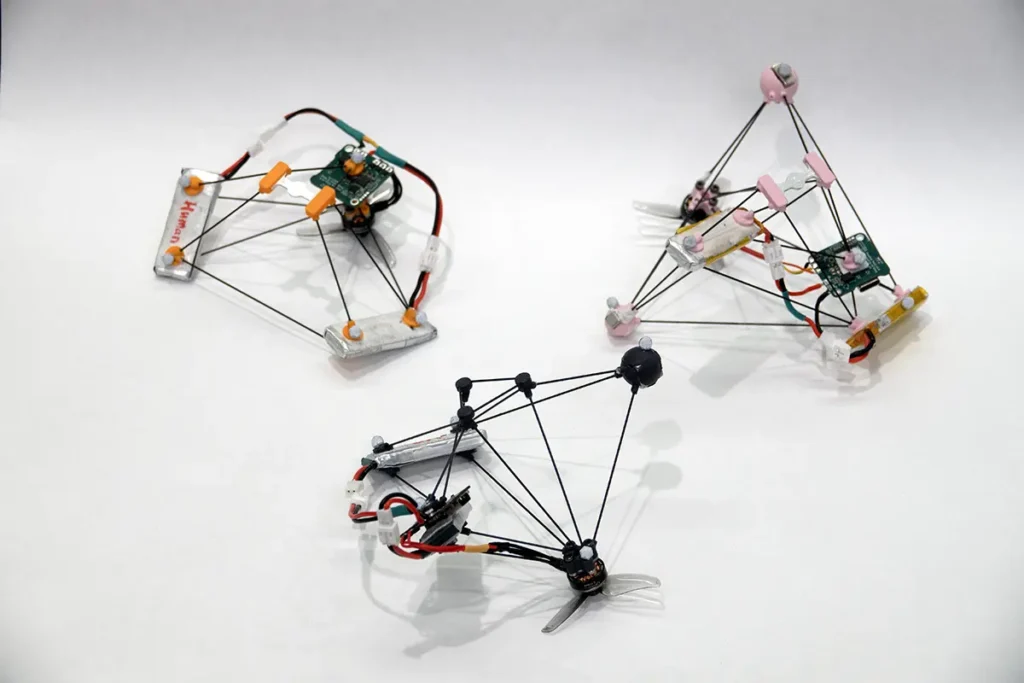
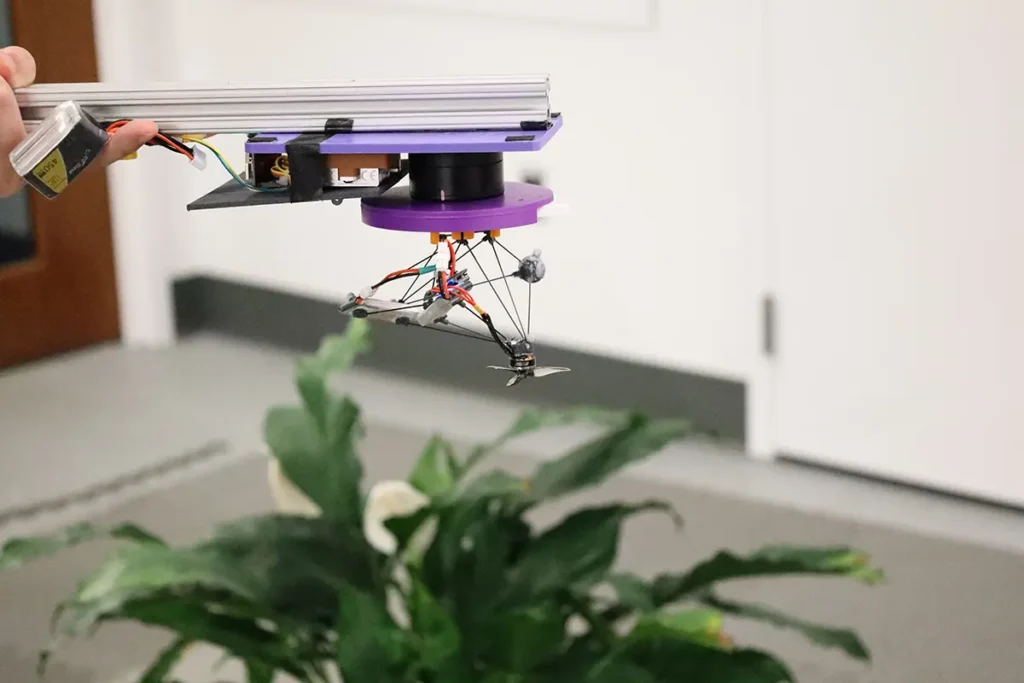
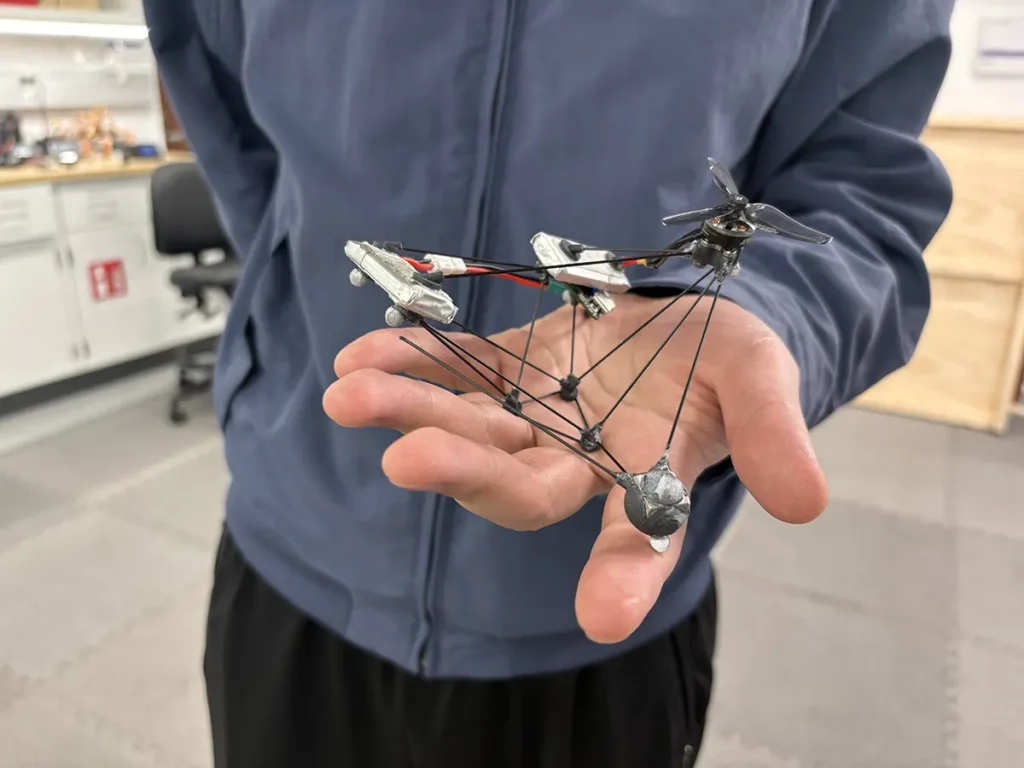
To achieve the trick, Northwestern’s engineers completely rethought the multirotor drone concept. A typical quadcopter has four spinning rotors attached to a stationary body, so there is still a very obvious machine hovering in front of you. Phantom Twist uses one motor and one propeller. The propeller spins in one direction while the entire body of the drone rotates in the opposite direction.
And it does so at a ridiculously fast rate of up to 25 rotations per second. That works out to around 1,500 rpm, which is dizzying even before you consider that the batteries, control board, motor, counterweight, wires, and supporting structure are all joining the merry-go-round.
The rotation is too fast for the human eye to resolve clearly. Our vision accumulates light over a brief period, much like a camera using a longer exposure. As Phantom Twist spins, its few solid parts become visually averaged with whatever is behind them. The result is a faint, semi-transparent haze rather than a clearly defined flying object.
Getting there involved more than attaching drone components to sticks and spinning the entire contraption until somebody felt ill. The Northwestern team first used a computational model to generate around 20,000 configurations capable of stable flight. Artificial intelligence and optimization algorithms then rearranged the motor, propeller, batteries, circuit board, and counterweights to find layouts that would be difficult to see from almost every angle.
Promising designs were digitally spun and overlaid across 100 real-world backgrounds. A perception model approximating human vision scored how noticeable each configuration appeared. The researchers selected the 500 least-visible candidates and subjected them to further optimization until the components were arranged at different heights and angles with plenty of space between them.

That space is important. If the solid components visually overlapped as the drone rotated, they would form distinct rings or dark shapes. Spreading them out allows the background to remain visible through most of the spinning structure, leaving behind little more than airborne haze.
According to the team’s visibility metric, the optimized Phantom Twist is around 10 times less visually perceptible than a conventional quadcopter. The finished prototype also achieved stable, controllable flight, so it is not merely an elaborate spinning mobile that looks pretty in a laboratory.
It is an exciting piece of engineering, but once the excitement quiets down, you may ask: What is it actually for?
Well, Northwestern University reckons that a less visually intrusive drone could be used for wildlife monitoring and surveying the environment. I am pretty sure the military has zero interest in a drone you can hardly see.
The prototype still has some difficulty keeping a truly low profile. Its thin carbon-fiber rods, electrical wires, and support structures remain somewhat visible, and the propeller still makes noise. Wildlife may not clearly see the strange hovering smudge, but it can probably hear the thing. Future versions could use more transparent materials and quieter propulsion to reduce both visual and acoustic giveaways.
The Northwestern team presented Phantom Twist on July 16 at Robotics: Science and Systems 2026 in Sydney, Australia. Its accompanying paper, titled “Computational Design of a Low-Visibility UAV Using a Human-Aligned Perceptual Metric,” was supported by the National Science Foundation.
Continue reading for a video of the drone in action.

Images: Northwestern University.
Story via Interesting Engineering.

