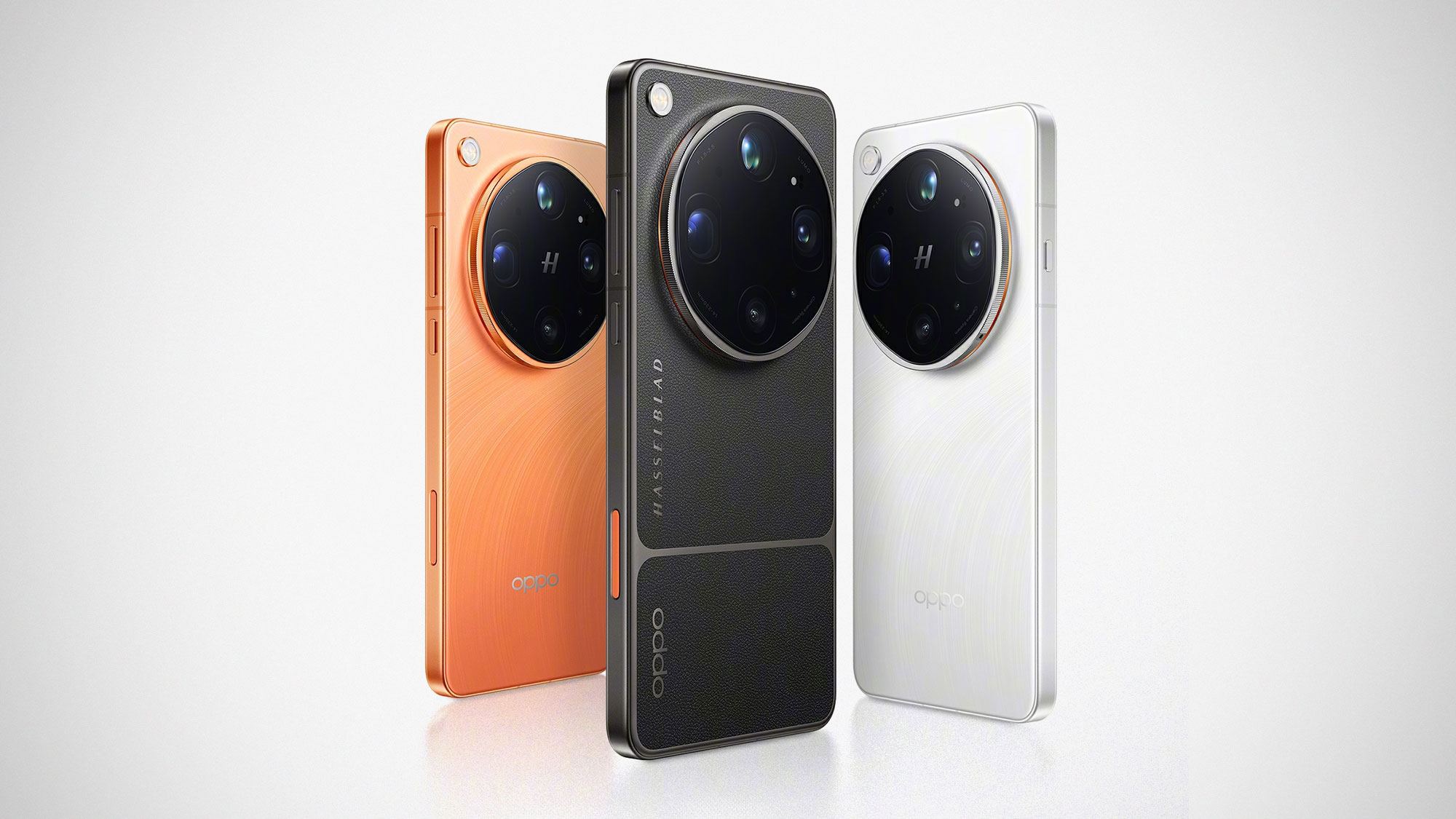
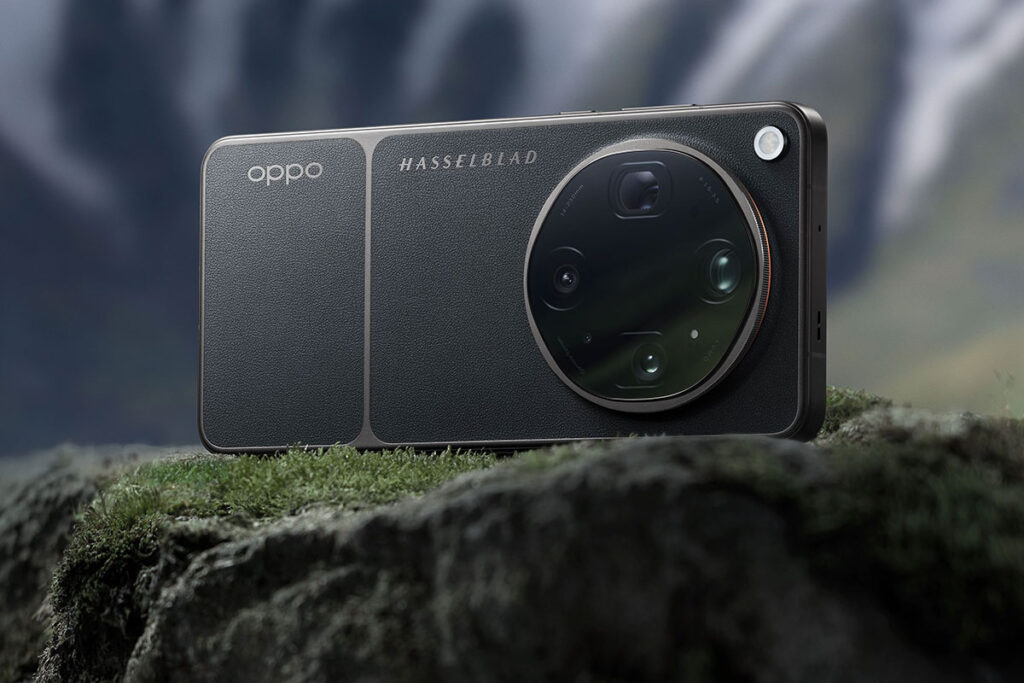
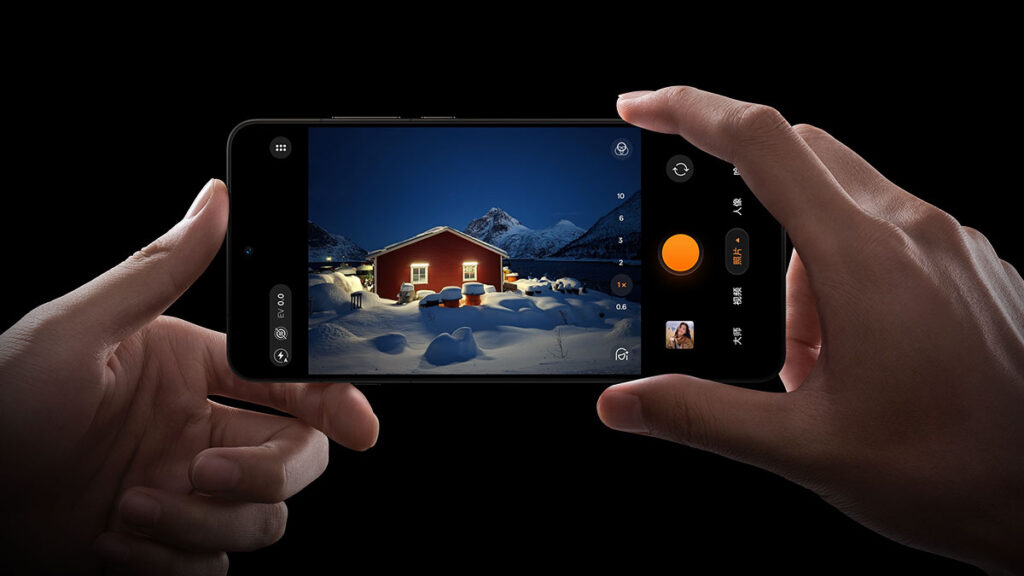
The Oppo Find X9 Ultra is no doubt the imaging flagship of the year. And like Xiaomi 17 Ultra, it is not just a phone that has a veteran’s name and imaging tech; it is co-developed with Hasselblad. In fact, Oppo is going all in on the “Pocket Hasselblad” narrative this time around, complete with Scandinavian-inspired industrial design, a camera-inspired interface, a bright orange shutter button, and enough optical hardware to make some dedicated cameras feel slightly uncomfortable.
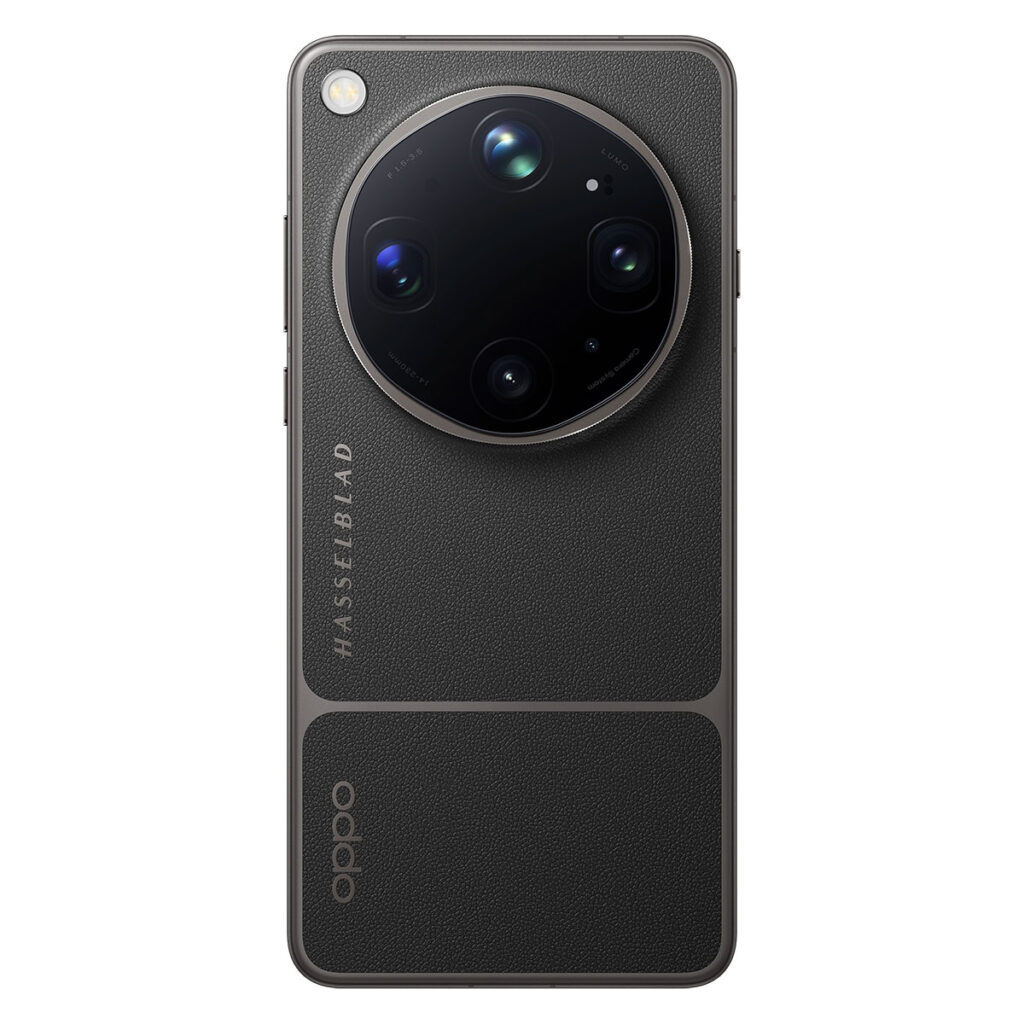
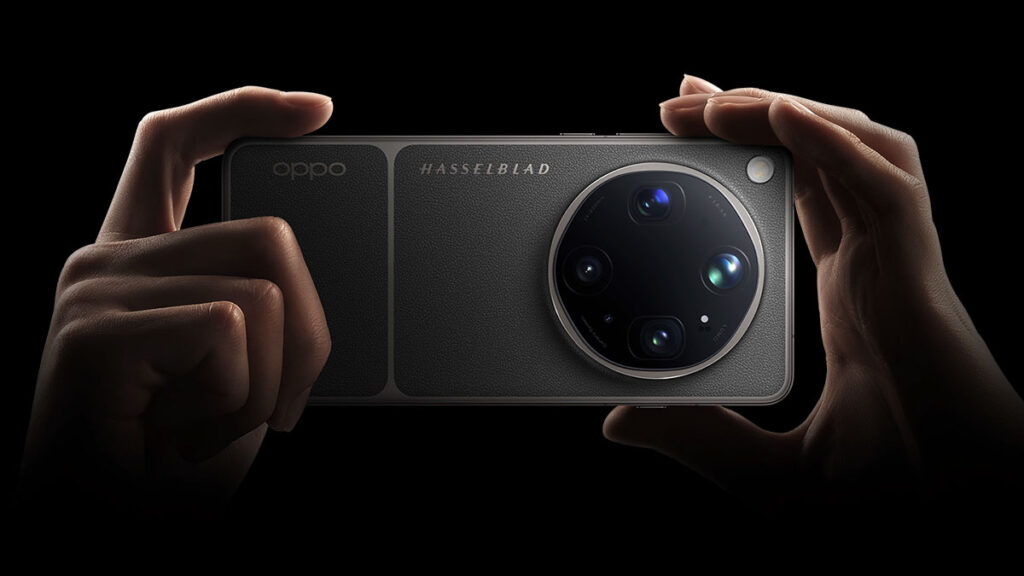
At the center of the Find X9 Ultra is what Oppo calls a Hasselblad Full Large-Sensor Five-Camera Optical System, which, if I can be honest, will make you forget that it is a phone. That setup consists of four optical imaging cameras, a dedicated Second-Generation Danxia Color Restoration Lens, plus additional professional sensors for color temperature, focusing, and infrared sensing. It is one of those spec sheets that makes you do a double-take because it reads more like the specs of a mirrorless camera than those of a smartphone.
The headline feature is undoubtedly the dual 200 MP imaging system. The main camera uses a massive 1/1.12-inch sensor paired with an F1.5 aperture and a 23 mm focal length, while the 70 mm telephoto camera combines another 200 MP sensor with a large 1/1.28-inch sensor and an F2.2 aperture. OPPO says every lens in the system has been redesigned to faithfully recreate the world as photographers see it, with focal length coverage extending far beyond the traditional “Holy Trinity” setup familiar to photography enthusiasts.
Then there is the monster zoom camera. The Hasselblad 10x Optical Zoom Sky-Eye Telephoto Camera uses a five-reflection inverted periscope prism system to achieve a 230 mm optical zoom focal length with 20x optical-quality zoom and up to 120x digital zoom. Oppo is positioning this as everything from a concert photography powerhouse to a “pocket birding camera,” and for once, that marketing language does not feel completely ridiculous. A 230 mm equivalent focal length with gimbal-grade OIS stabilization in a phone is the kind of specification that practically invites people to point it at wildlife, distant cityscapes, and unsuspecting celebrities from the back row.
Backing all of this is the Second-Generation Danxia Color Restoration Lens with 24-channel spectral sampling, 15EV ultra-high dynamic range, and frame-by-frame color restoration across photos, Live Photos, and video. Combined with Hasselblad’s HNCS-certified natural color science, the Find X9 Ultra aims to deliver more accurate colors, more natural skin tones, and a more lifelike HDR presentation on both SDR and HDR displays. Oppo and Hasselblad also co-developed a new generation of tonal curves designed to recreate softer highlight transitions and more nuanced midtones for a film-like look straight out of a camera.
For users who prefer to skip hours of editing, the phone includes Hasselblad Master Mode Native Film Profiles with nine digitally recreated classic film styles. Oppo describes film as “a specimen of light,” which sounds dramatically poetic, but the result is pretty straightforward: your smartphone photos can now look like they came out of an expensive film camera without carrying an actual expensive film camera.
Video creators are getting spoiled, too. The Find X9 Ultra supports 8K 30fps Log cinema-grade video, Dolby Vision video recording, 4K 120fps slow motion, custom 3D LUT import and baking, plus Hasselblad Master video color profiles. LUT support is especially interesting because it brings an actual cinema-production workflow to a smartphone. Users can import, preview, and permanently bake cinematic color profiles directly into footage during recording. In other words, the phone is capable of producing footage that already looks graded before it even touches editing software. And that’s good news for someone like me who is clueless about color grading.
Things become even more serious with the Oppo × Khronos photography ecosystem. The optional expansion kit supports accessories like the Hasselblad Professional Teleconverter Ultra, 67 mm filters, manual follow-focus handles, magnetic cooling fans, HDMI expansion docks, and quick-release interfaces compatible with ARCA, NATO, and cold shoe mounts. At this point, the Find X9 Ultra feels like a modular cinema rig that just happens to make phone calls.
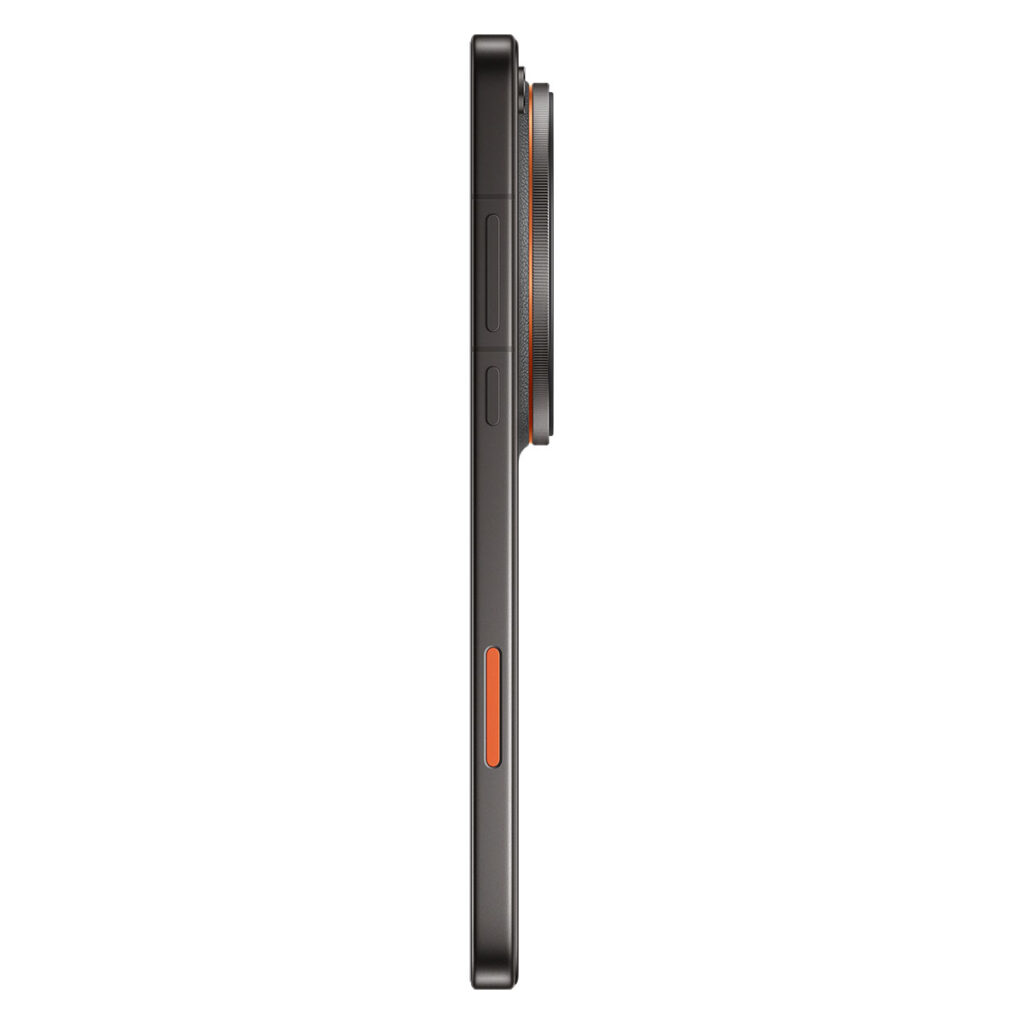
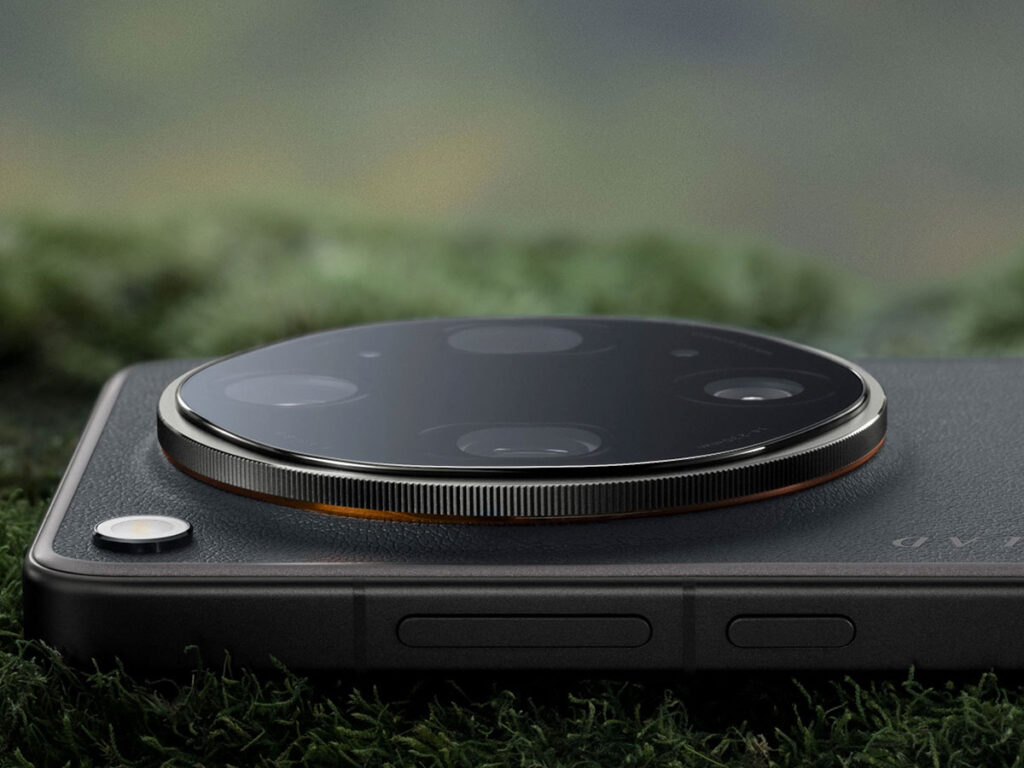
The industrial design is equally camera-inspired. Oppo says the phone pays tribute to the Hasselblad X2D 100C Earth Explorer Limited Edition camera, carrying over Scandinavian design language inspired by Nordic tundras, glaciers, and canyons. There is a textured gear-like metal ring modeled after classic Hasselblad lens focus rings, an orange accent ring inspired by Hasselblad’s signature camera details, and even an orange shutter button designed to mimic the satisfying feel of using a professional camera.
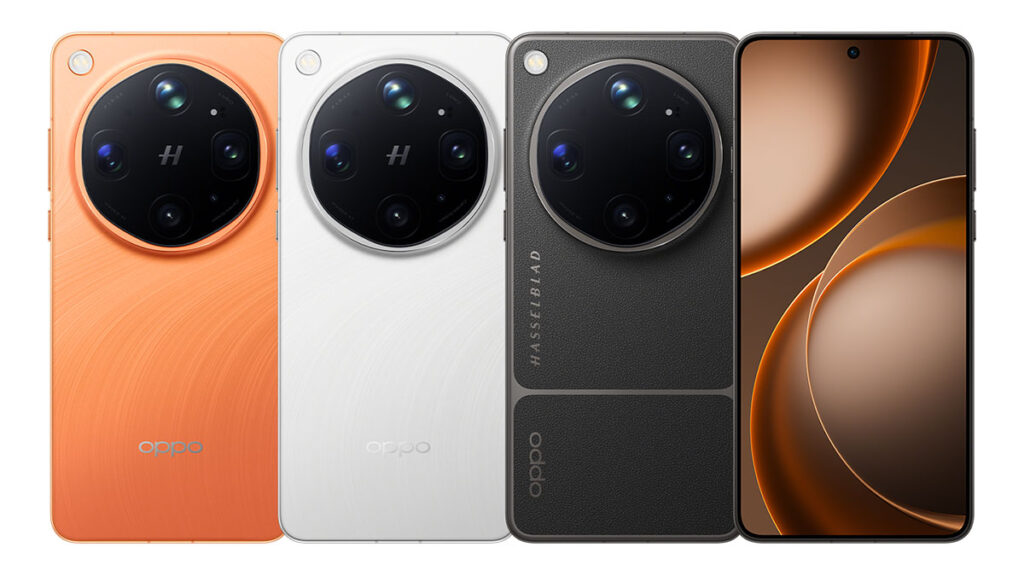
Outside of imaging, the Find X9 Ultra remains a full-blown flagship. The Tidal Engine works alongside the Snapdragon 8 Elite Gen 5 for sustained high-performance workloads, particularly high-resolution photography and advanced video recording. The phone also features a 2K 144Hz display using next-generation X3 luminous materials alongside 1nit low-light eye comfort technology for more comfortable viewing in dark environments.
ColorOS continues to push AI-assisted travel and productivity features, too, as found on the Find X9s Pro. The “Left to Remember, Right to Ask” system adds dedicated AI hardware controls. The left button instantly saves information like camera settings, receipts, pickup codes, and travel details, while the right button launches AI Screen Assistant for contextual on-screen questions and natural multi-turn interactions. So, yeah, this phone is not just a professional camera for capturing your travel memories, but also a travel assistant that never sleeps.
There is nothing subtle about this phone. The hardware is made to turn heads, and so are the photos and videos. This is a phone built for people who think smartphone photography should involve giant sensors, absurd zoom ranges, film-inspired color science, LUT workflows, accessory ecosystems, and enough optical terminology to scare casual users away before they even reach the checkout page. Somehow, OPPO managed to cram all of that into something that still fits in a pocket, which is pretty wild, if you ask me.
The Oppo Find X9 Ultra has been launched in China with two versions. There’s the regular Find X9 Ultra, and then there’s the Satellite Communication Edition, which is available in a 16 GB plus 1 TB configuration, and in three colors. The non-satellite communication edition is available 12+256, 12+512, 16+512, and of course, 16+1TB, and in 2 or 3 color options depending on the configuration.
This thing does not come cheap. The Oppo Find X9 Ultra starts at 7,499 yuan [CH] (roughly US$1,103 at the time of this post), which is well into the territory of “an enthusiast premium” device. The range-topper, the Satellite Communication Edition, tops out at a cool 9,499 yuan [CH] (about US$1,397)—which is 200 yuan more than the non-Satellite 16+1TB model.
Images: Oppo [CH].


