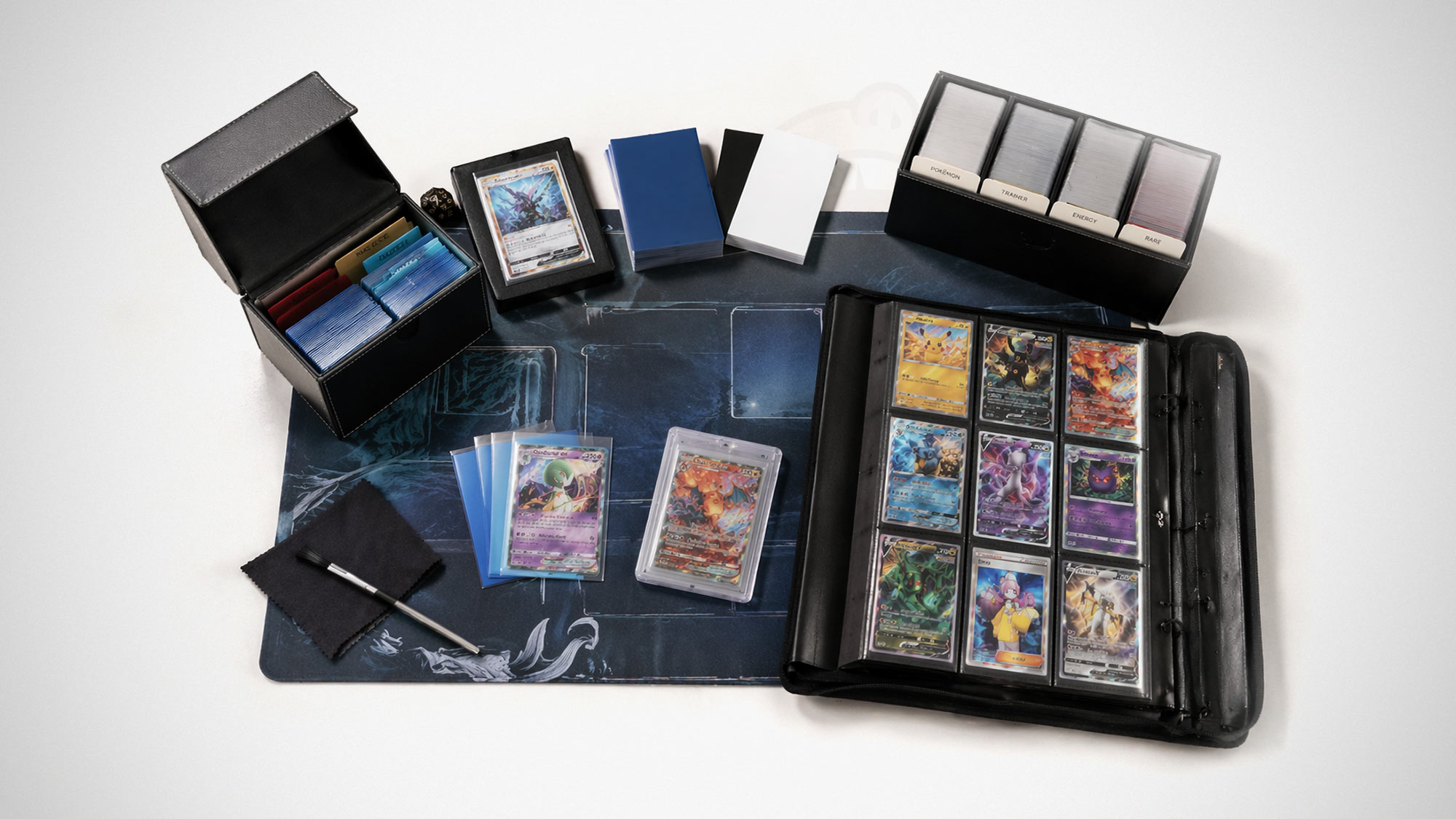
Trading card enthusiasts operate in environments where condition, organization, and accessibility directly affect both gameplay and asset value. Cards are highly sensitive to physical damage, environmental exposure, and repeated handling. Proper gear is not optional—it is a structured requirement for maintaining integrity and usability over time.
Each category of gear serves a defined role within a broader system of protection and organization.
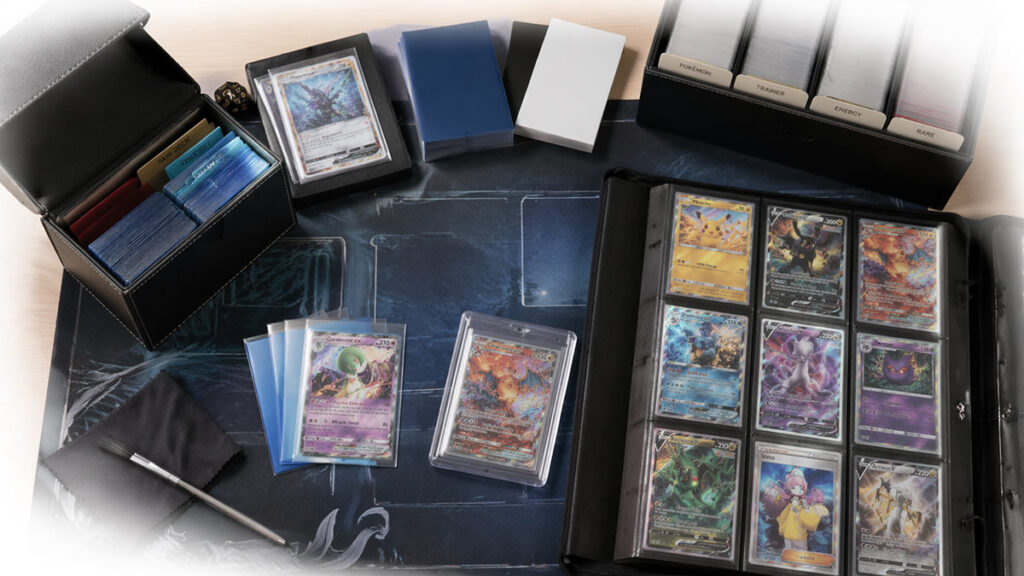
Card Protection: First-Line Defense Against Damage
Card condition directly impacts both playability and resale value. Even minor surface scratches or edge wear can reduce value significantly, especially for competitive or collectible cards.
Protective tools such as trading card sleeves act as the primary barrier against friction, moisture, and oils transferred during handling. High-quality sleeves are manufactured with consistent thickness and tight tolerances to prevent bending and surface abrasion.
Effective protection strategies include:
- Using inner sleeves for double-layer protection
- Replacing worn sleeves to maintain uniformity
- Avoiding direct contact with card surfaces during gameplay
Consistent protection ensures long-term preservation and reduces degradation over repeated use.
Deck Boxes for Secure Transport
Deck boxes are essential for protecting active decks during transport. Without proper containment, cards are exposed to compression, bending, and accidental damage.
Modern deck boxes are designed with rigid materials, reinforced edges, and secure closure systems. These features prevent movement within the container and reduce external pressure.
A properly selected deck box maintains structural integrity under repeated handling. It ensures that cards remain aligned and protected during travel.
Binders for Organized Collections
Binders provide a structured method for storing and displaying collections. They allow cards to be categorized systematically based on set, rarity, or function.
High-quality binders use side-loading pages and padded covers to reduce the risk of cards slipping or bending. The internal layout supports easy browsing without excessive handling.
Organized storage improves accessibility and reduces unnecessary exposure to environmental factors.
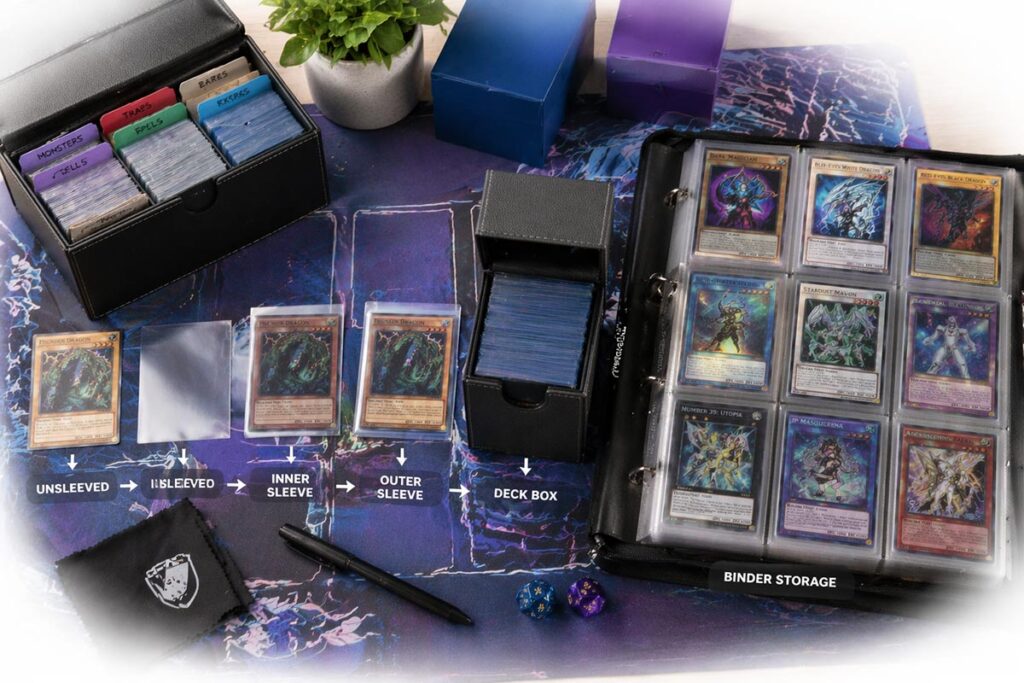
Playmats for Surface Protection
Playmats create a controlled interface between cards and external surfaces. Hard or uneven surfaces can cause micro-abrasions that accumulate over time.
Fabric-based playmats with rubber backing provide a stable, low-friction surface. This reduces wear during gameplay and ensures consistent handling conditions.
Playmats also define play areas, improving organization during matches and reducing accidental contact with unprotected surfaces.
Storage Boxes for Bulk Inventory
Large collections require scalable storage solutions. Bulk storage boxes are designed to hold significant volumes of cards while maintaining structural protection.
These boxes support long-term organization and prevent compression damage. Dividers can be added to categorize inventory and improve retrieval efficiency.
Bulk storage systems allow collections to expand without sacrificing organization or protection.
Rigid Holders for High-Value Cards
High-value cards require additional protection beyond standard sleeves. Rigid holders such as toploaders provide structural reinforcement against bending and impact.
These holders are typically used for rare or graded cards that require maximum preservation. They maintain flatness and protect edges from external pressure.
Using rigid protection ensures that valuable assets remain in optimal condition.
Environmental Control and Storage Conditions
Environmental factors significantly affect card longevity. Variations in humidity, temperature, and light exposure can cause warping, fading, or material degradation.
Optimal storage conditions involve stable temperature, low humidity, and protection from direct light. Cards should be stored in controlled environments where fluctuations are minimized.
Environmental management is essential for preserving both physical condition and long-term value.
Organization Tools for Efficient Access
Efficient organization reduces handling time and minimizes exposure to potential damage. Tools such as dividers, labels, and indexing systems allow structured categorization.
These systems enable collectors to locate specific cards quickly without disrupting the entire collection. Organized access improves workflow during deck building and trading.
Structured organization enhances both usability and protection.
Maintenance and Handling Practices
Proper handling is as important as the gear itself. Even with protective systems in place, improper handling can lead to damage.
Key maintenance practices include:
- Cleaning play surfaces to prevent debris contact
- Inspecting sleeves and storage systems for wear
- Handling cards with clean, dry hands
Routine maintenance ensures that protective systems remain effective.
Integration of Gear into a Complete System
Trading card gear must function as an integrated system rather than isolated components. Protection, storage, and organization work together to maintain consistency.
Cards typically move through a sequence: sleeves for protection, deck boxes for transport, and binders or storage boxes for long-term organization. Each stage reinforces preservation and accessibility.
A cohesive system ensures that cards remain protected at all times while supporting efficient use.
Trading card enthusiasts rely on specialized gear to maintain card condition, organize collections, and support gameplay. Protection systems, storage solutions, and environmental controls all contribute to long-term preservation. By integrating these elements into a structured approach, collectors can maintain both the functional and financial value of their cards.


