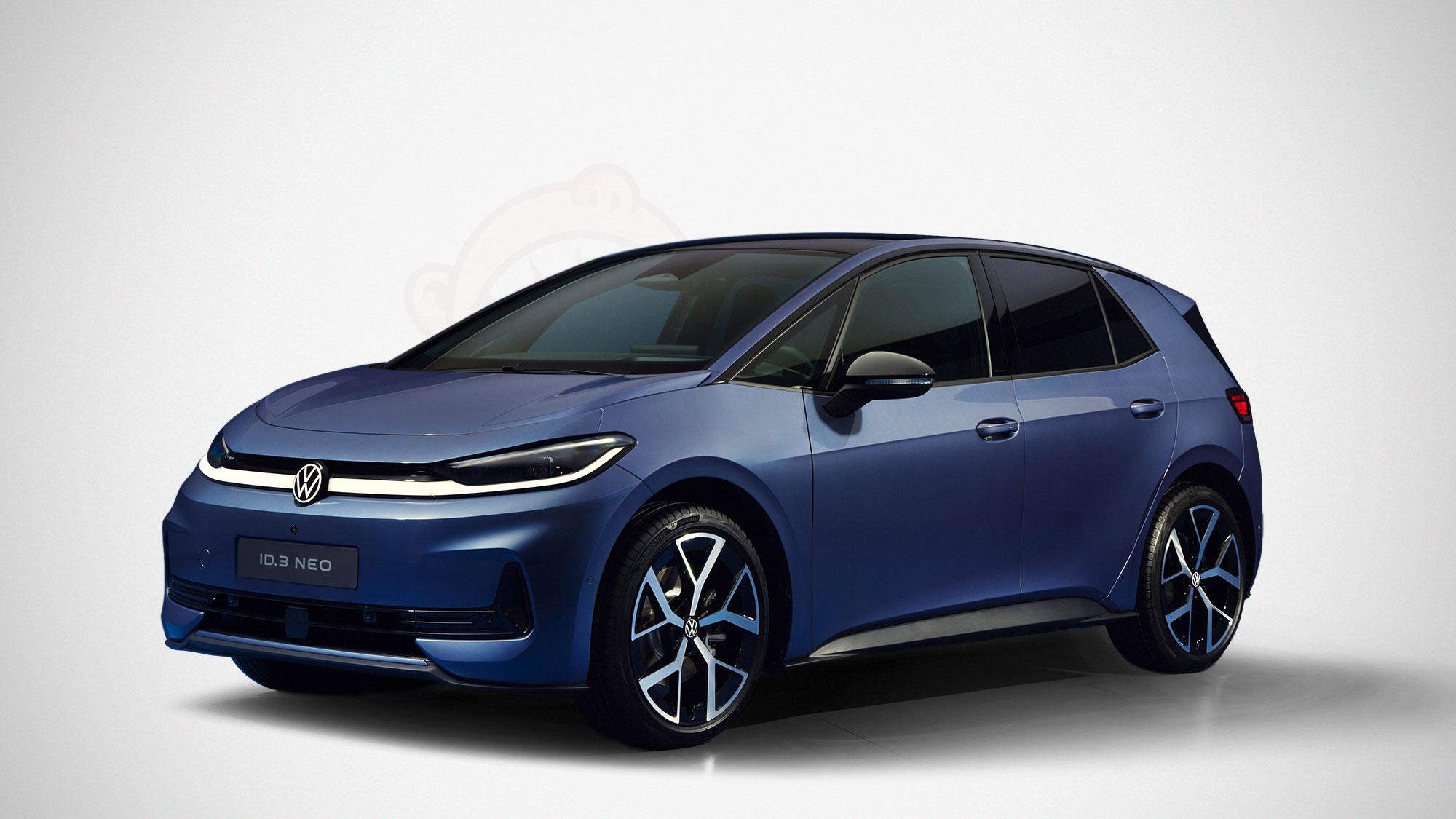
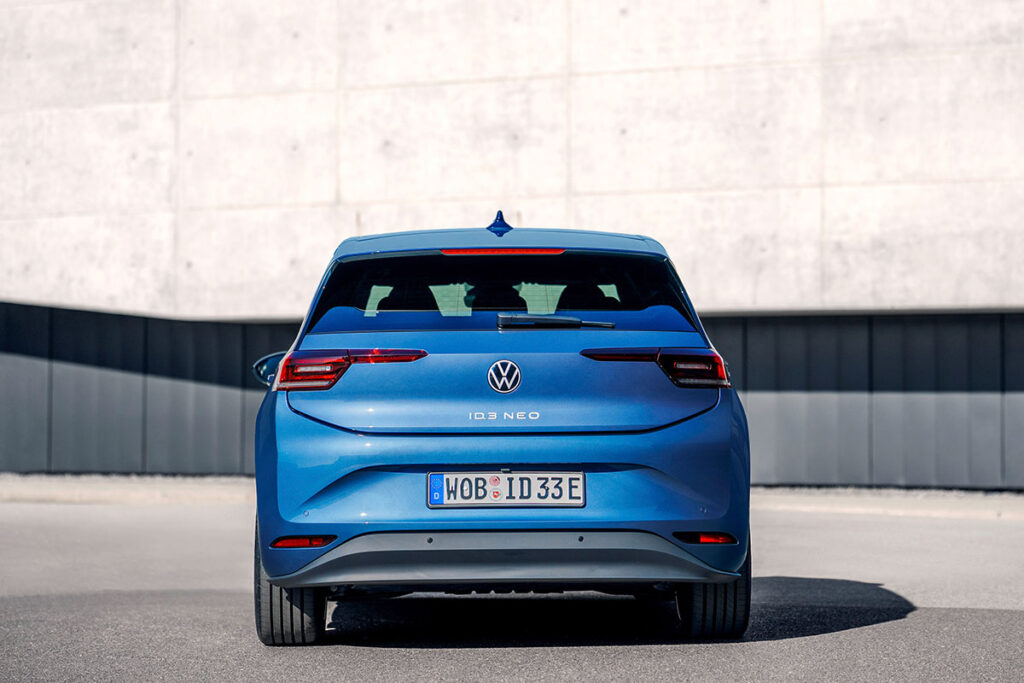
We did not touch on Volkswagen ID.3 much. OK. We only did it once when it was first announced. But today, it managed to have our attention because Google did not overzealously push that email to the “Promotion” tab, which we hardly ever look at, and so, we know that not only is there a new generation of ID.3, but it also has a new name: ID.3 Neo.
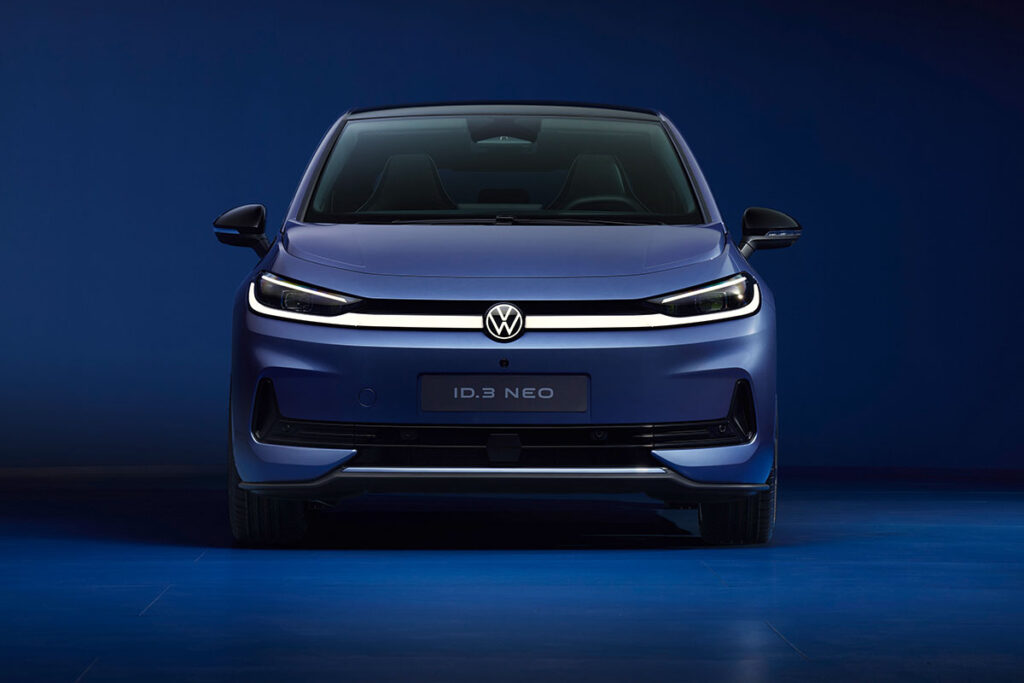
Now, giving a car the name “Neo” immediately raises expectations. Either it is about to dodge bullets in slow motion, or Volkswagen finally fixed the things people complained about the first time around. Thankfully, it appears to be the latter.
The ID.3 Neo sticks with the familiar rear-mounted motor layout, but now comes in three output levels: 125 kW, 140 kW, and 170 kW (about 168 hp, 187 hp, and 228 hp). Battery choices are equally straightforward at 50 kWh, 58 kWh, and 79 kWh, which is Volkswagen’s polite way of letting buyers decide how serious they are about long-distance driving.
Range improves accordingly. The entry version delivers up to 417 km (259 miles) WLTP, the mid pack stretches to 494 km (307 miles), and the largest battery pushes things to 630 km (391 miles). That last number quietly moves the ID.3 Neo into territory where weekend trips no longer require planning sessions.
Charging also gets a useful bump. The 79 kWh version supports DC fast charging up to 183 kW, allowing 10 to 80 percent in about 26 minutes, while the smaller batteries support up to 105 kW. AC charging remains at 11 kW, and yes, there is now vehicle-to-load capability, which means your hatchback can power more than just your commute.
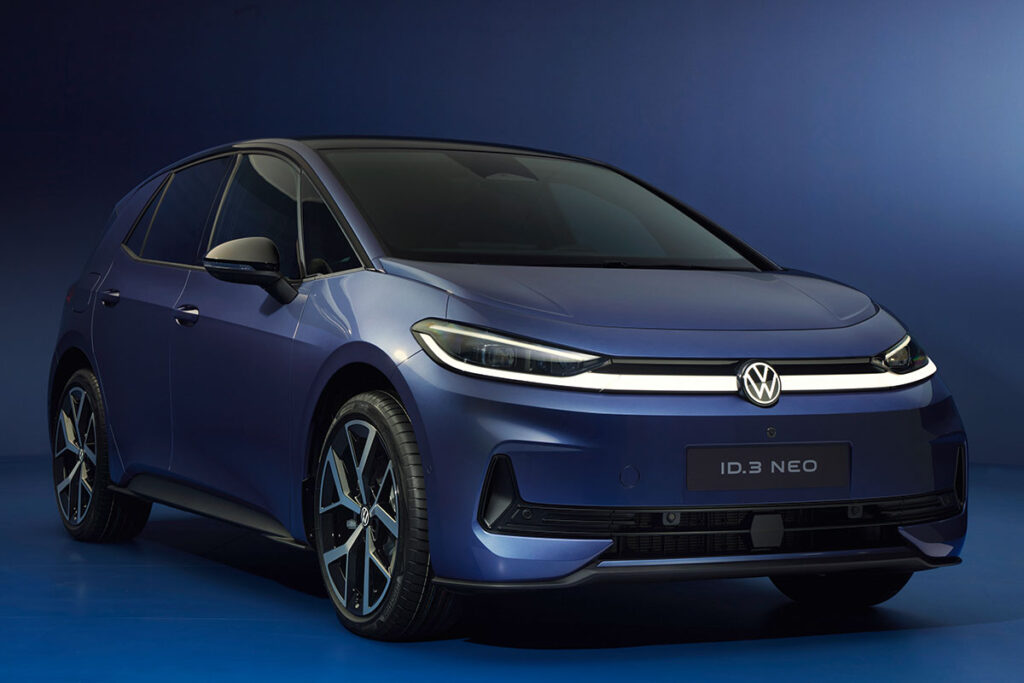
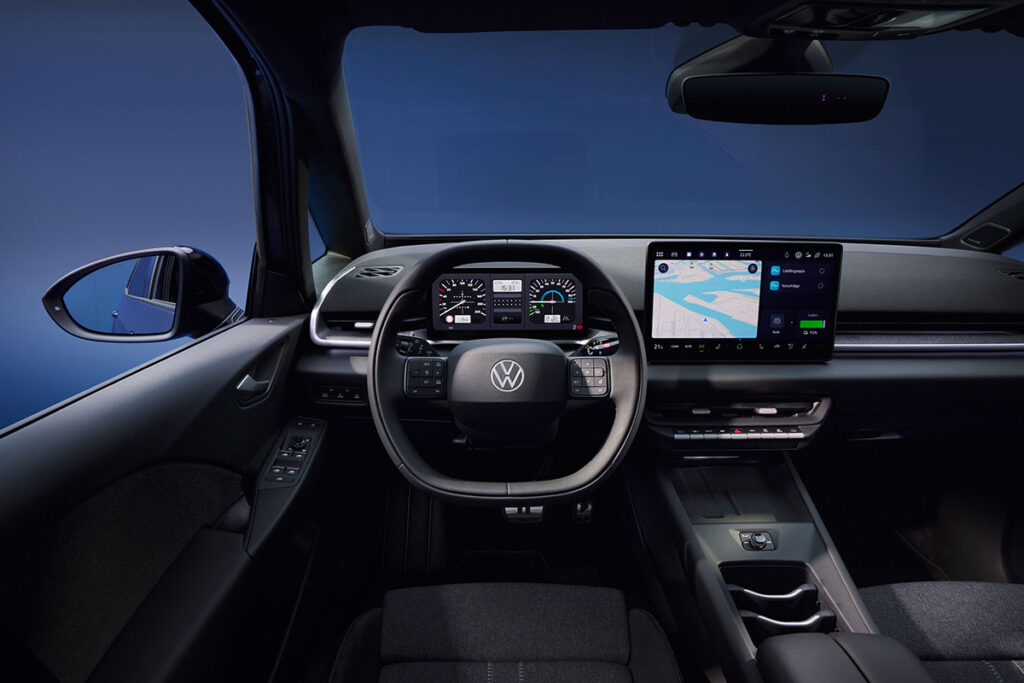
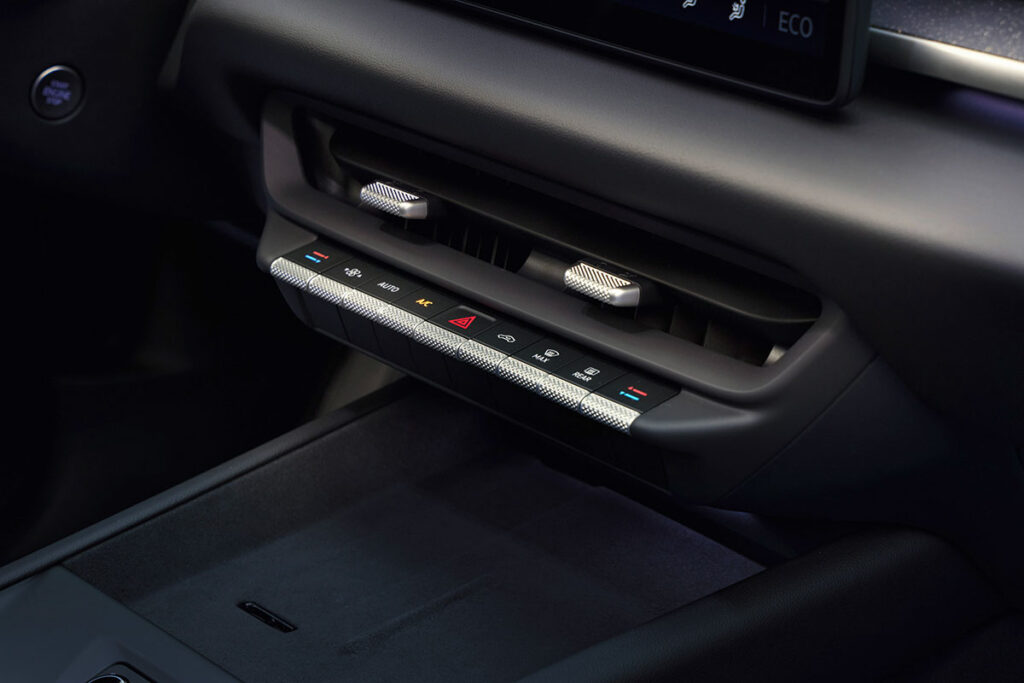
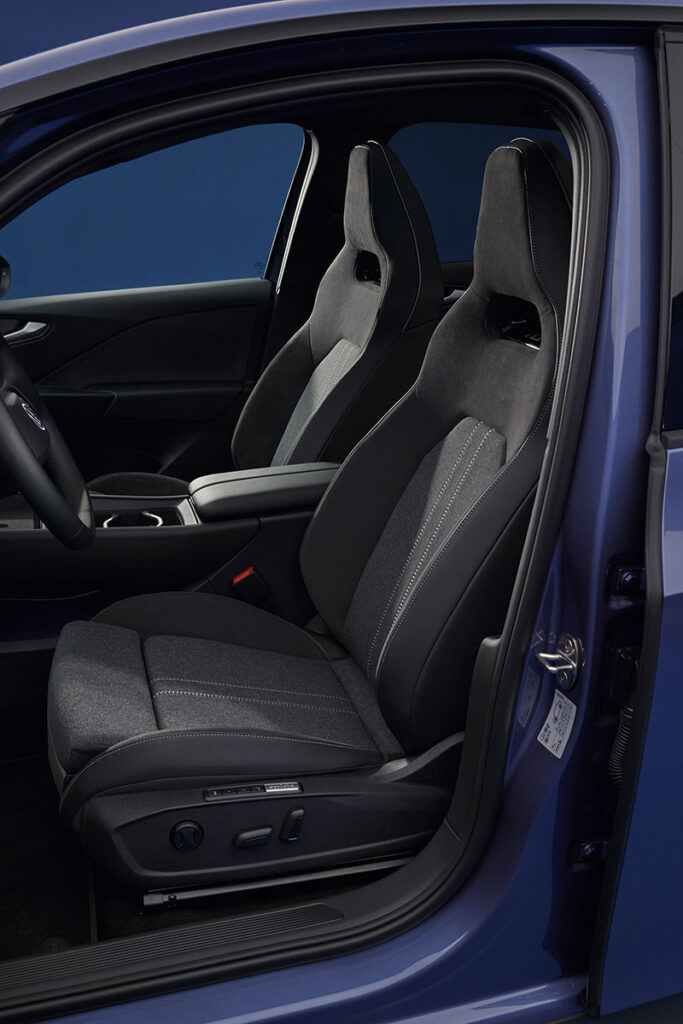
Inside, Volkswagen finally addressed the thing people noticed immediately in the earlier car. Physical controls return, the infotainment system is updated, and the cabin now feels less like it expects you to memorize gestures before driving. The Neo also adds Connected Travel Assist and supports one-pedal driving, which makes city traffic slightly more bearable.
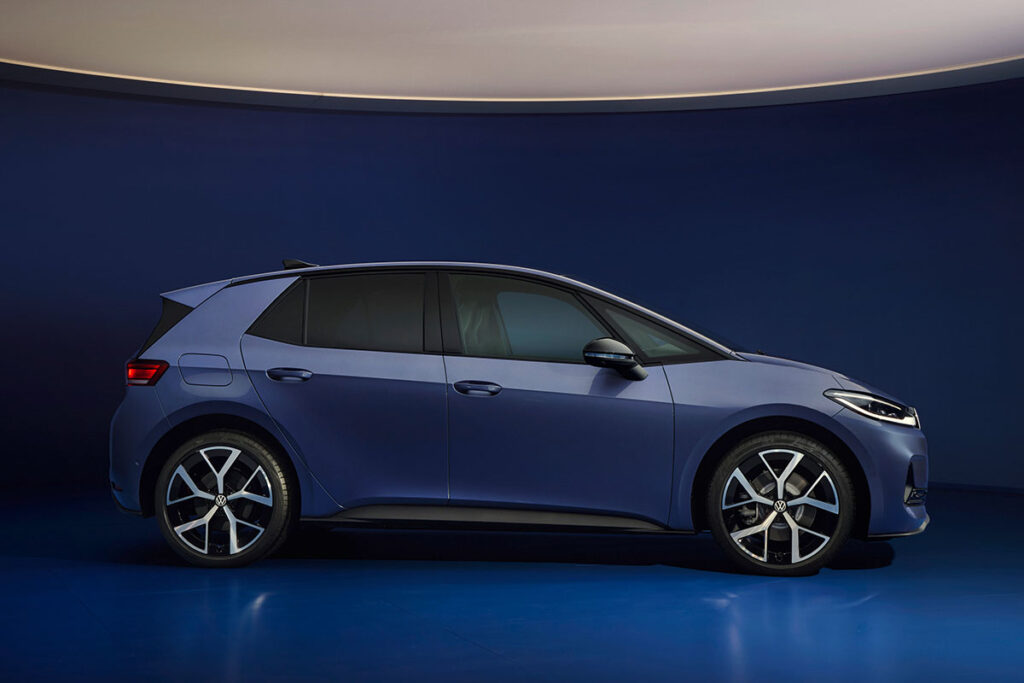
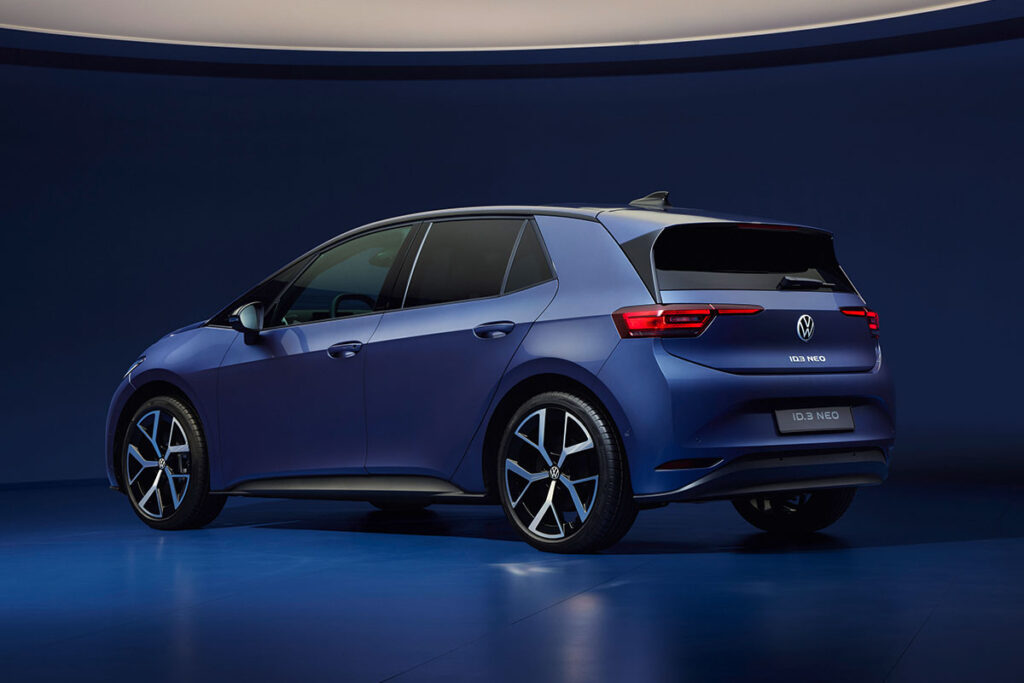
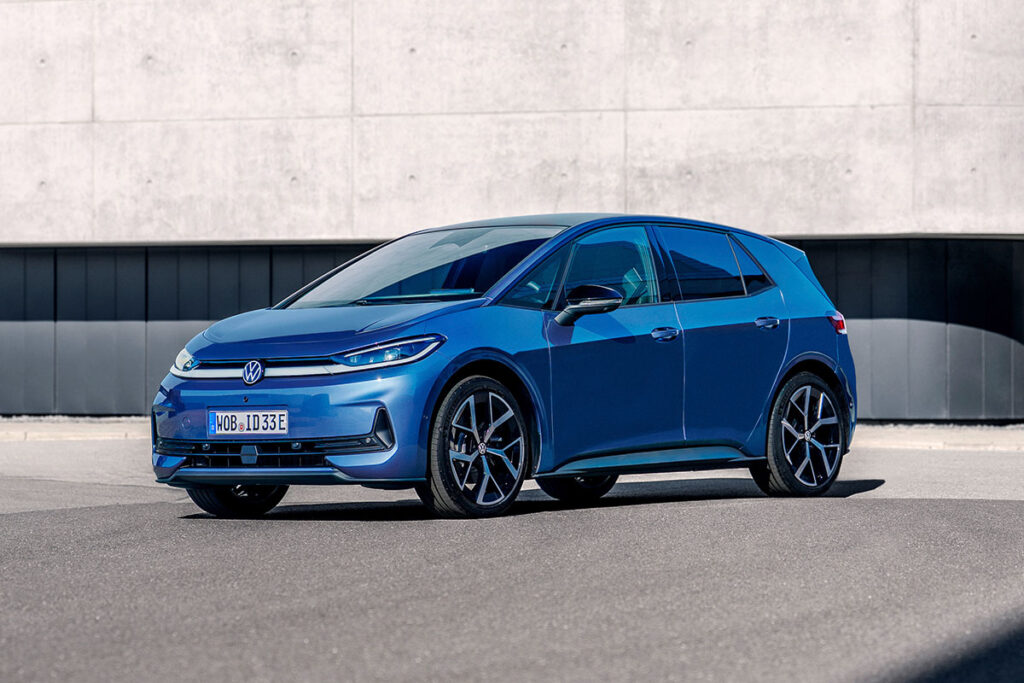
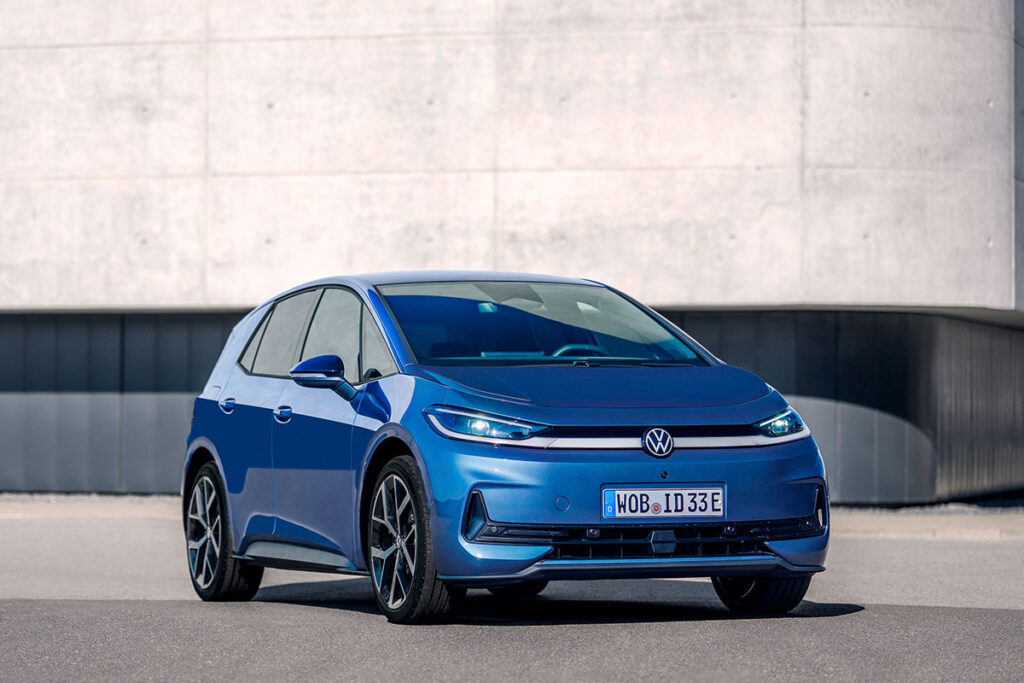
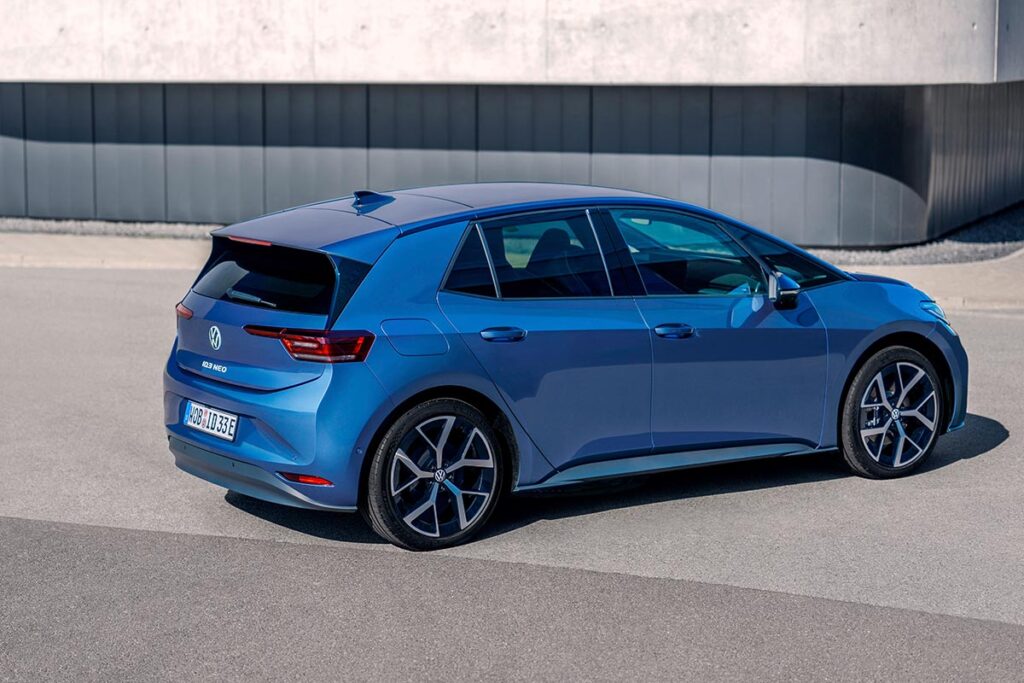
Outside, the changes are subtle but noticeable. The front end is cleaner, the lighting signature sharper, and the overall look closer to what you might expect if the Golf quietly decided to go electric without announcing it to the neighborhood.
Ordering is expected to open in summer 2026, which gives everyone (mainly, just us, really) just enough time to check whether Gmail has been hiding anything else interesting in the Promotion tab again. Meanwhile, you can dig into more details here.
Images: Volkswagen.