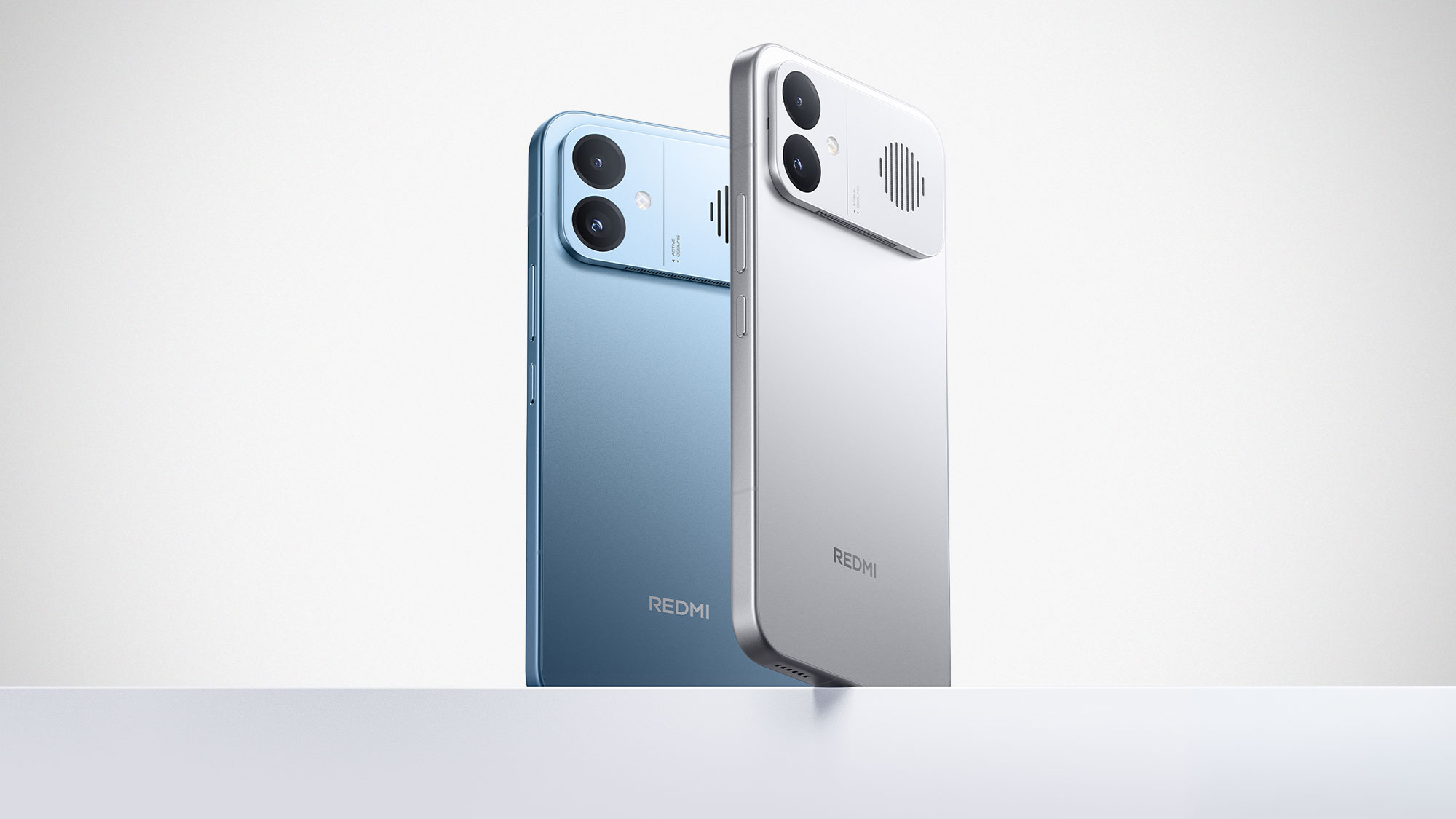
If you thought it would be natural to have a Pro model after the Redmi K90 and K90 Pro Max, well, you’d be wrong. You never know what is coming next from Chinese phone makers, whether in naming conventions or launch sequences. And so, yes, there’s another K90: the Redmi K90 Max. It joins the elite group of smartphones that includes the likes of the iQOO 15 Ultra, the Honor WIN, the Huawei Mate 80 Pro Fengchi Edition, and the Redmagic with an active cooling fan.
That’s right, my friends, Redmi also has a smartphone with an actual fan to help keep it cool. And when it has got a fan, you know what that means. It means it should be good for some serious gaming.
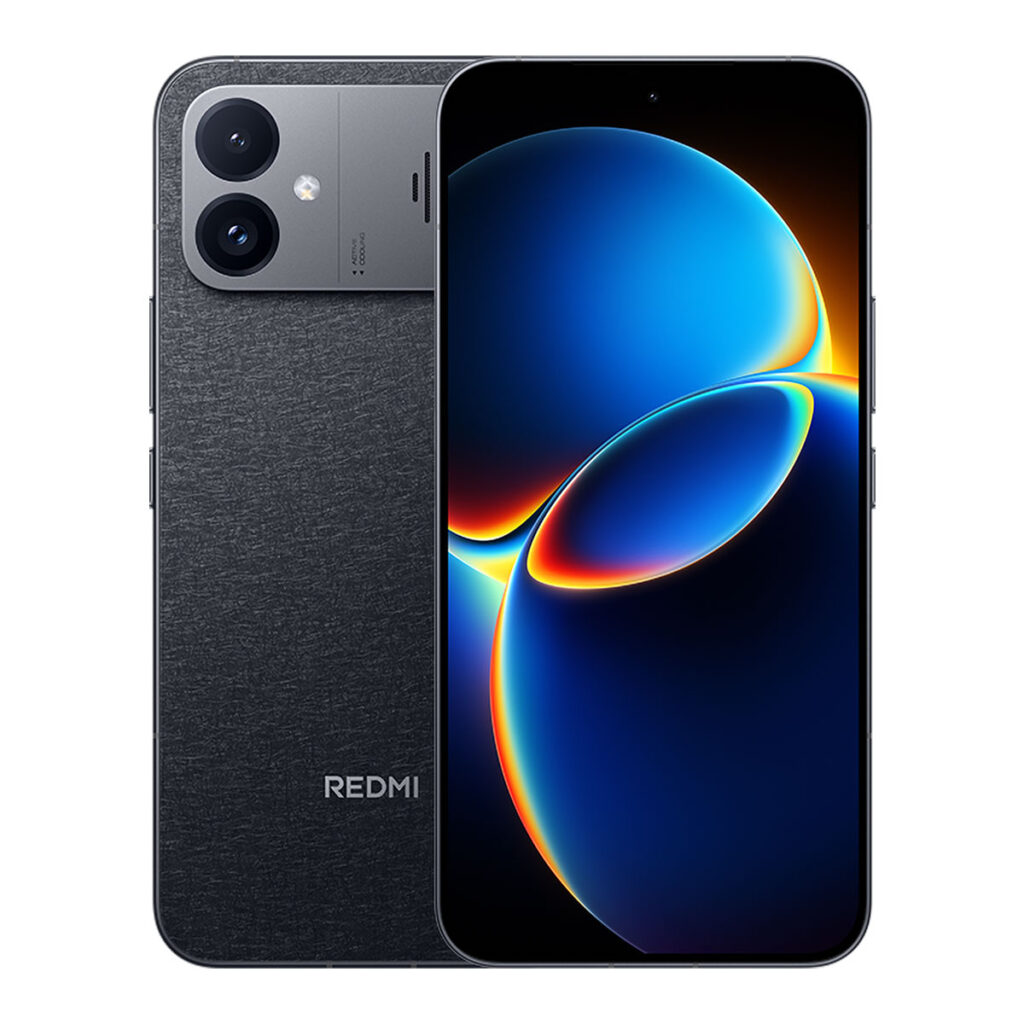
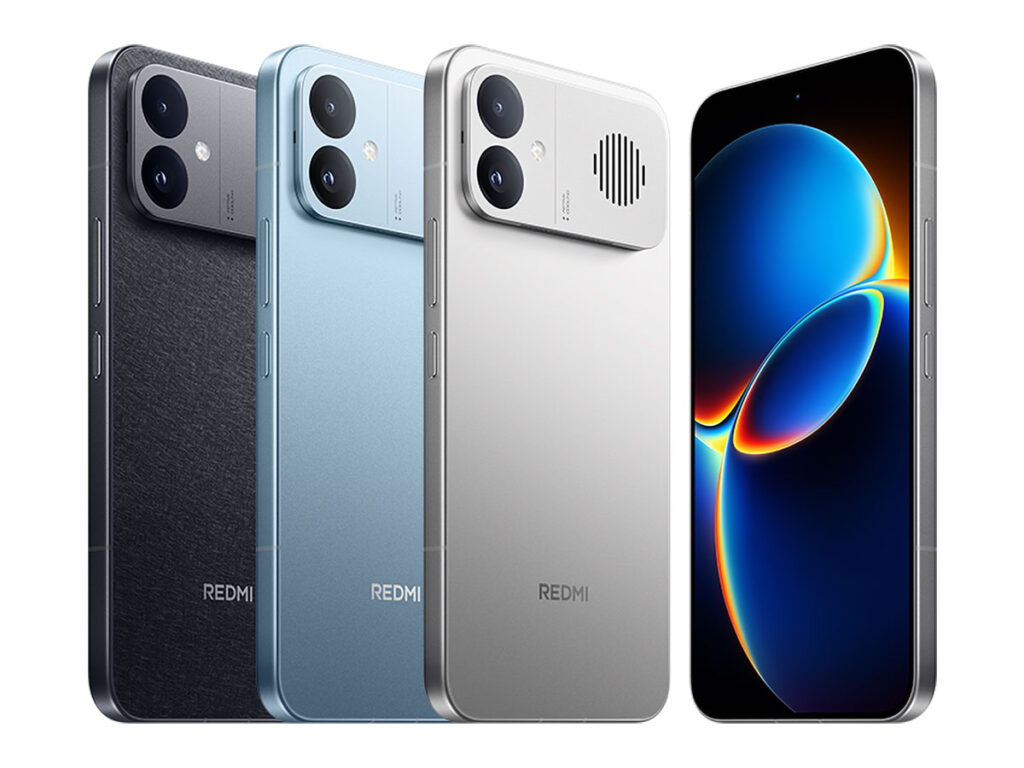
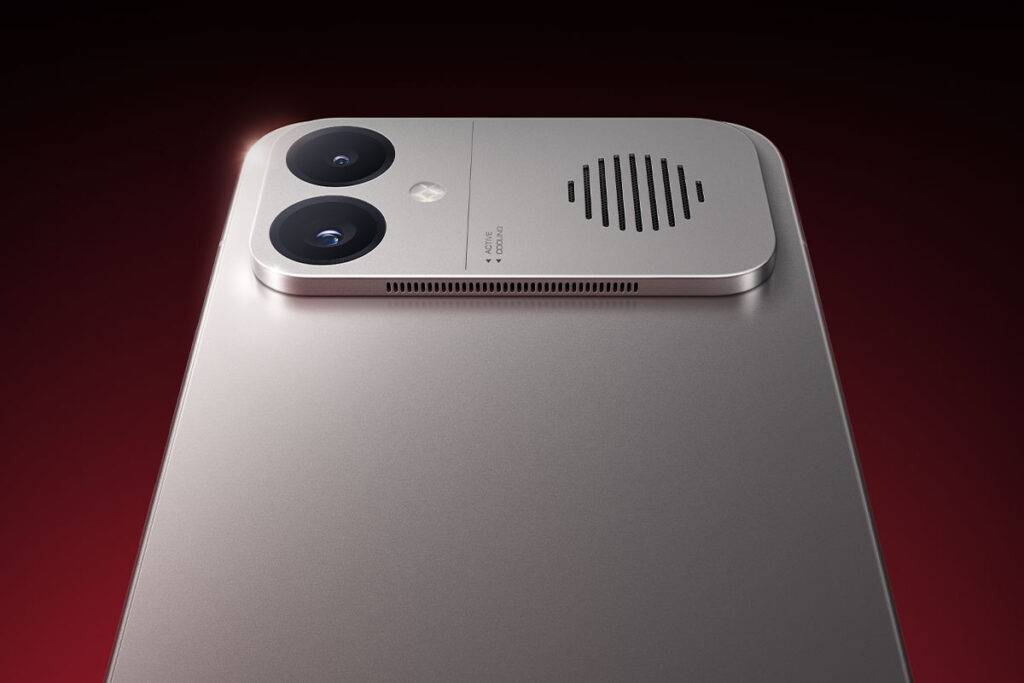
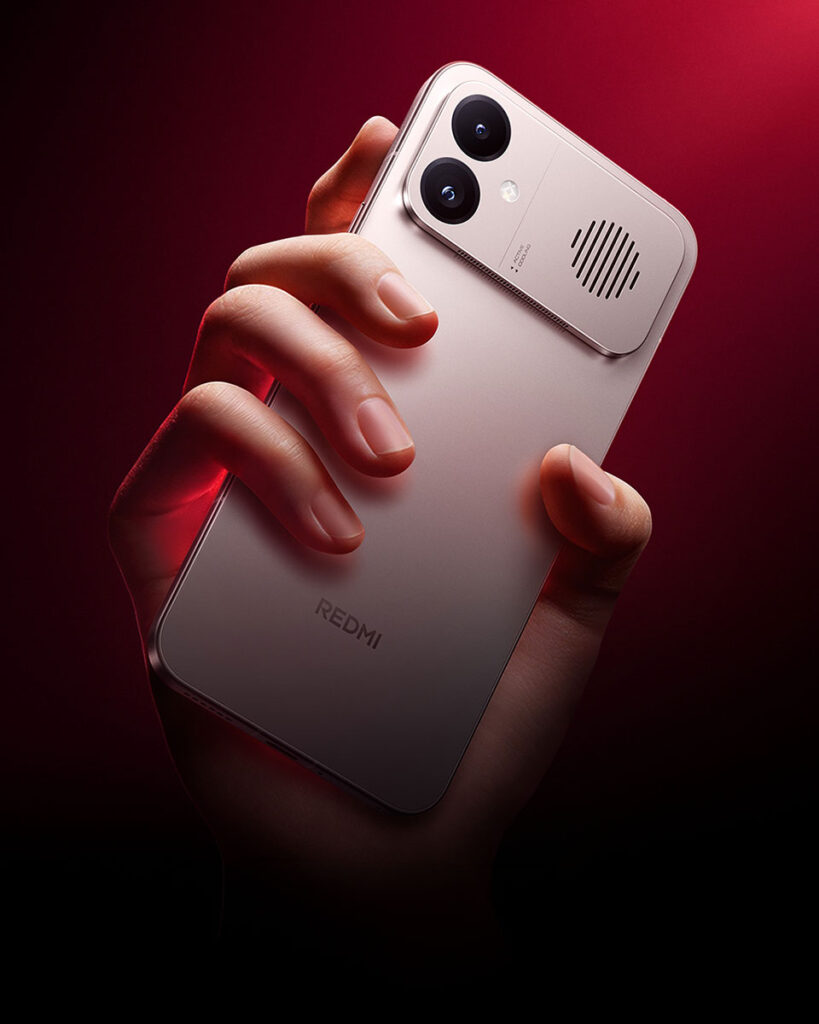
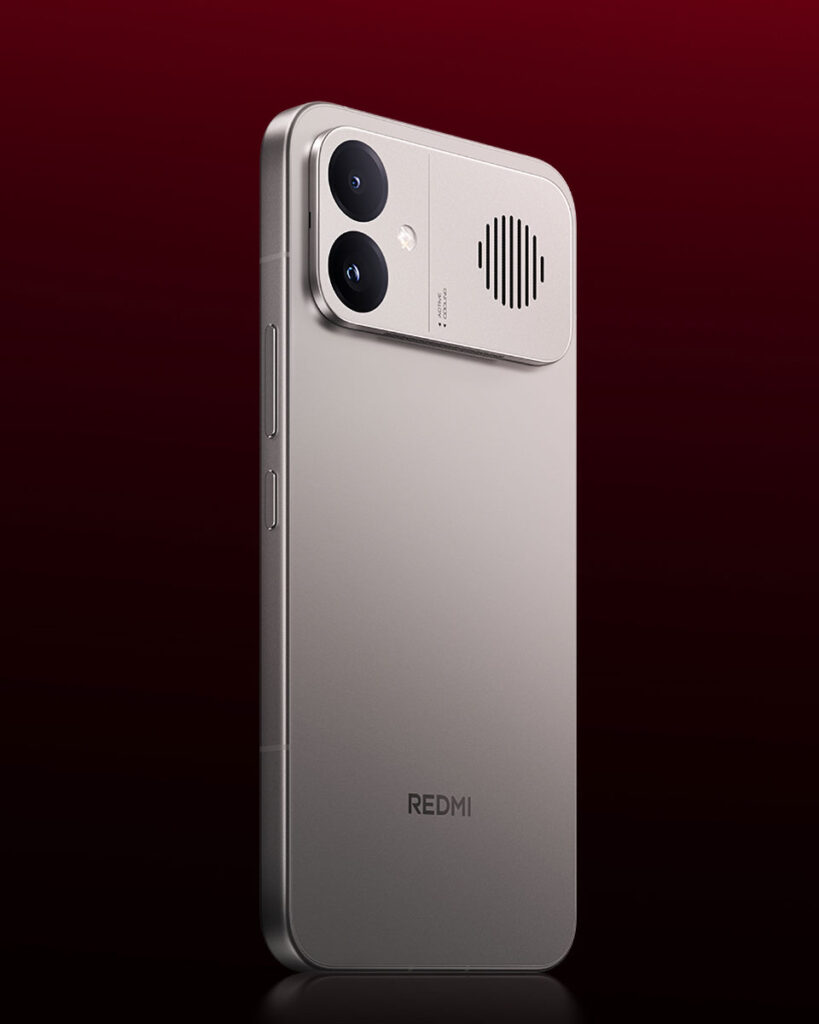
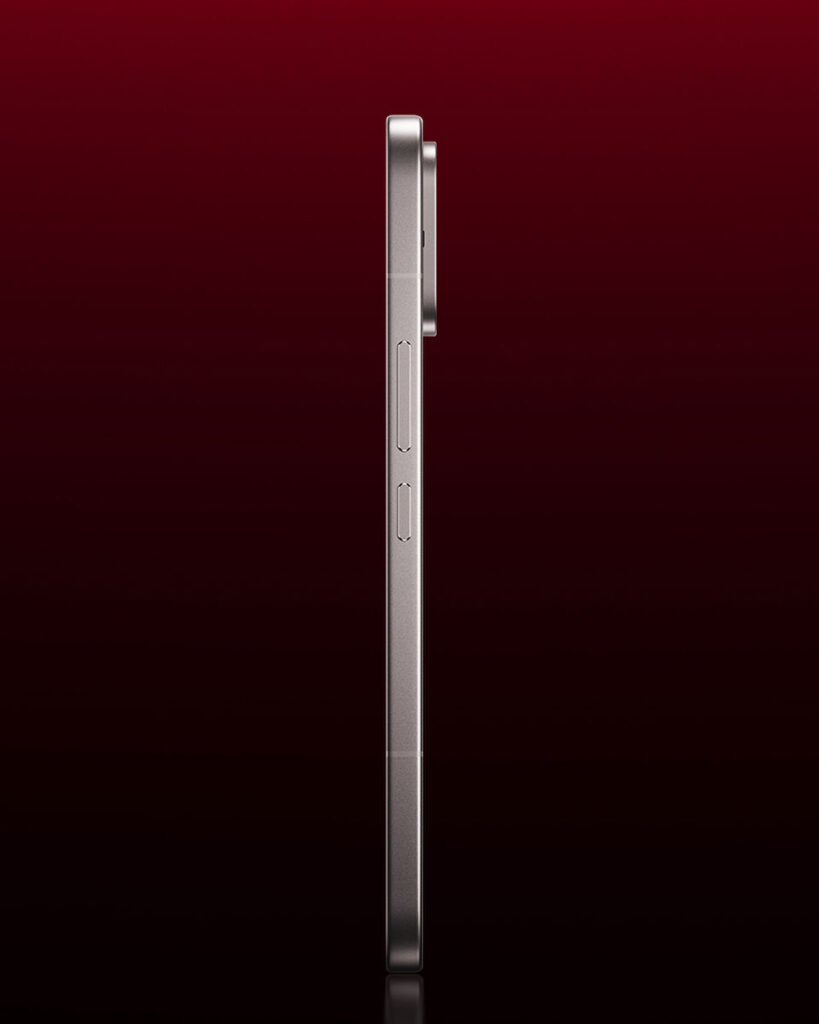
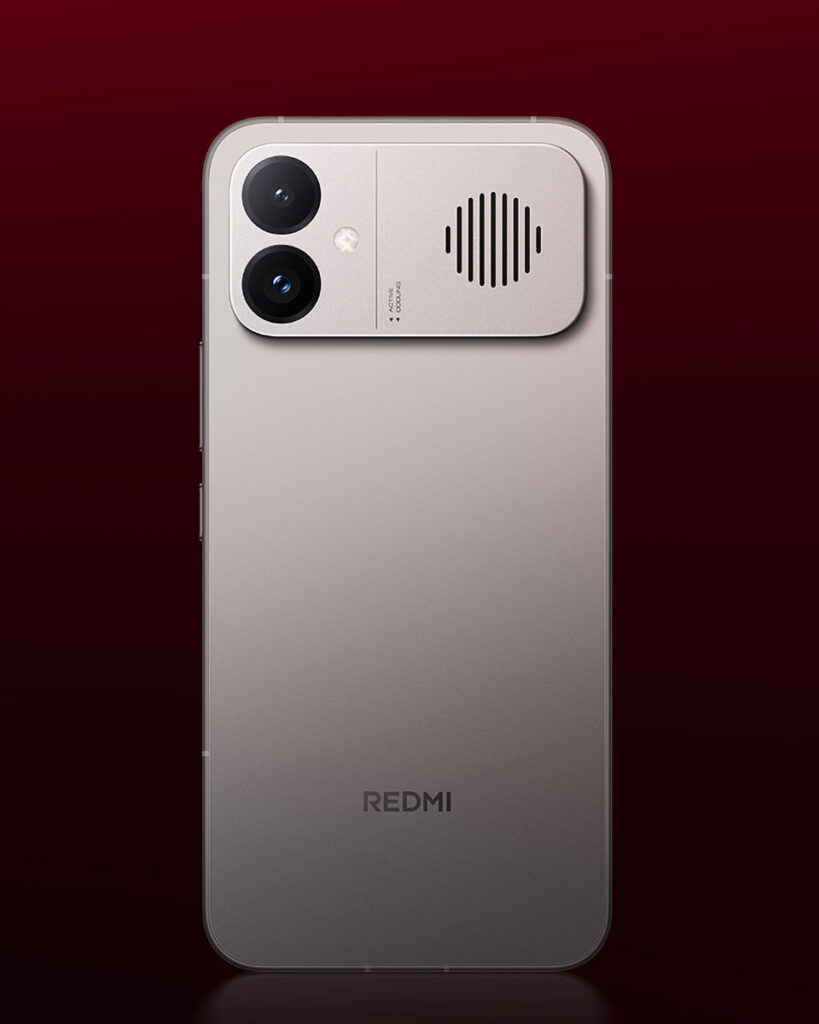
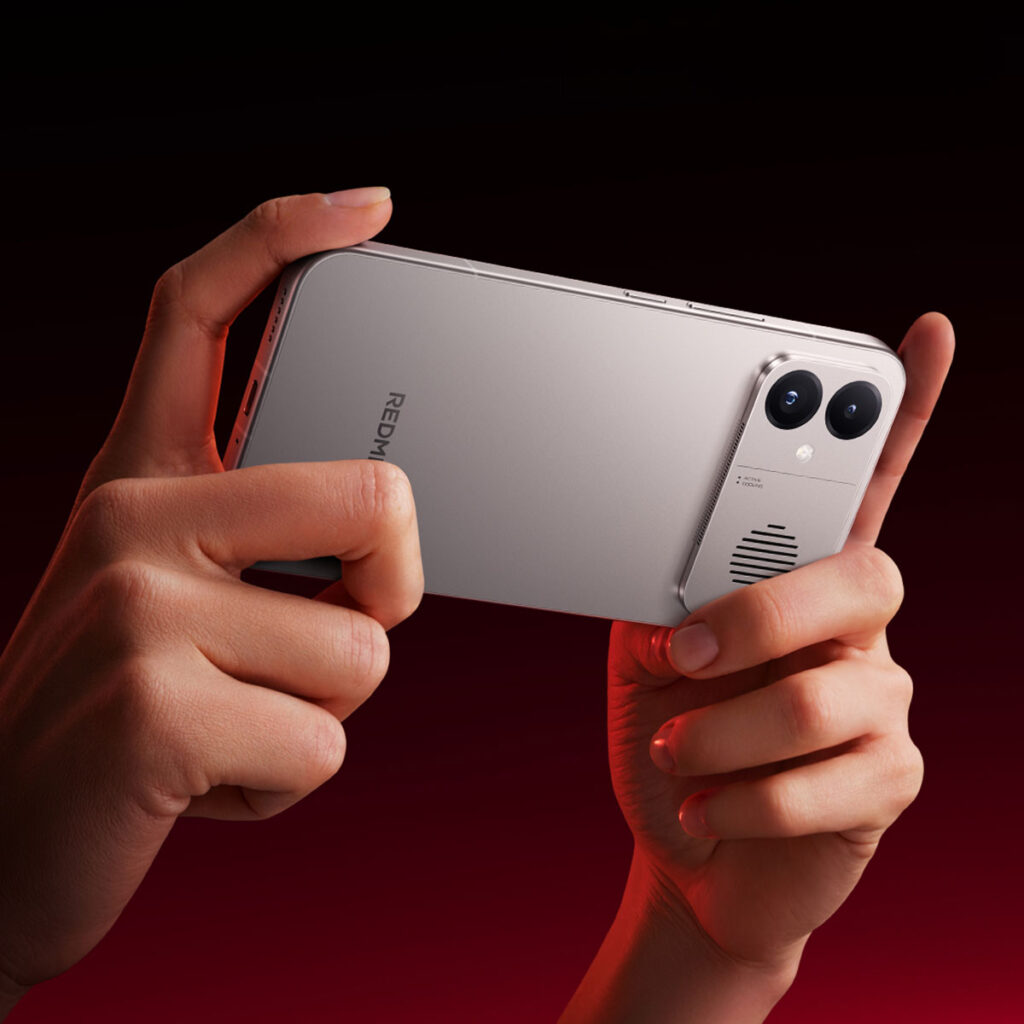
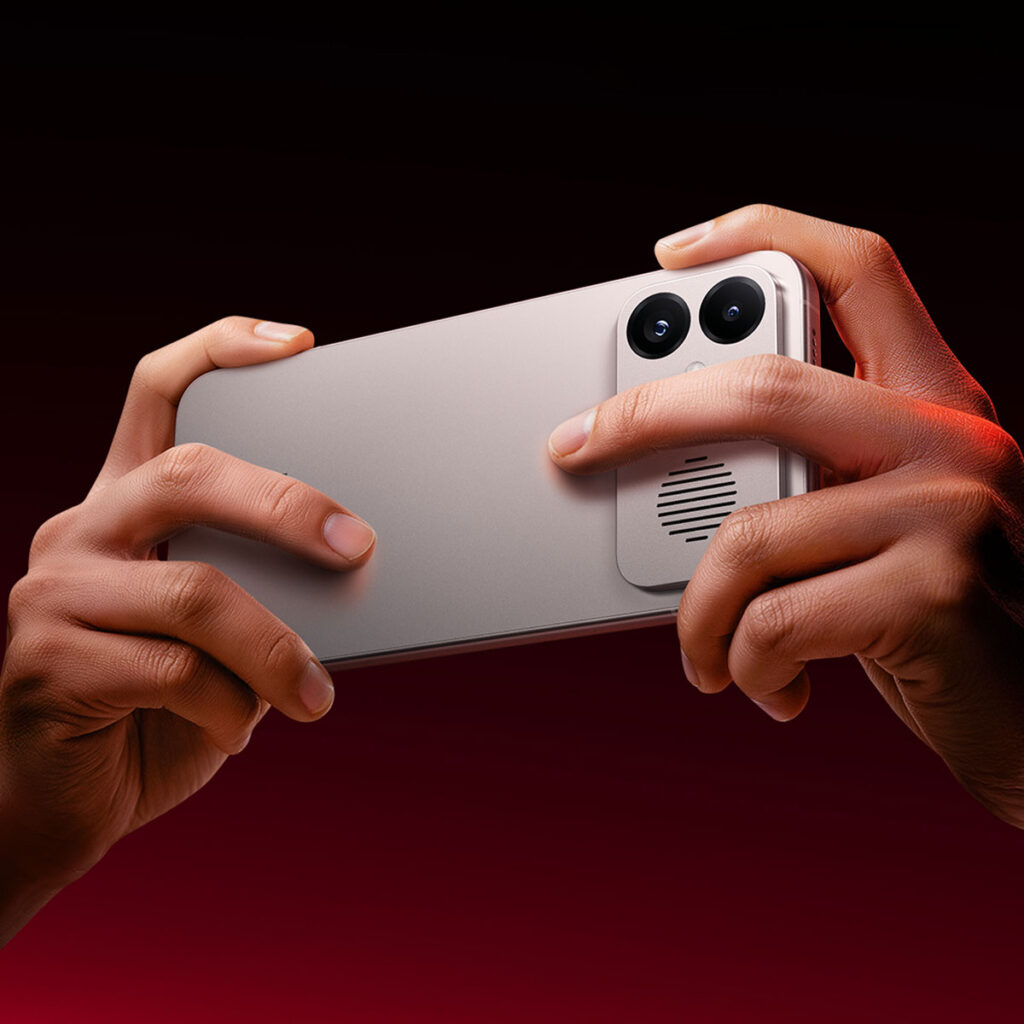
It has a pretty large camera bump, much like those you find on the Xiaomi 17 Pro and iPhone 17 Pro. About a third of this unapologetically large camera island is home to the dual cameras. It is aligned to the right edge of the bump along with an LED flash. The remaining two-thirds of the bump has a speaker-like grille, which is the active fan region.
Billed as a gaming flagship phone, the Redmi K90 Max [CH] fully leverages the camera bump for the active cooling design. Air is drawn from the grille on the camera island, passes through a purpose-designed heat sink, and is then directed out from the bottom edge of the raised camera bump.
Because the active fan lives in the camera bump, it has more room. This allows it to have the largest active fan yet among its competitors, along with a generously sized vortex airflow duct complete with streamlined guide fins. The fan offers three user-selectable modes: quiet, smart, and strong cool. The latter is said to be able to drop temperatures by 10°C within 100 seconds.
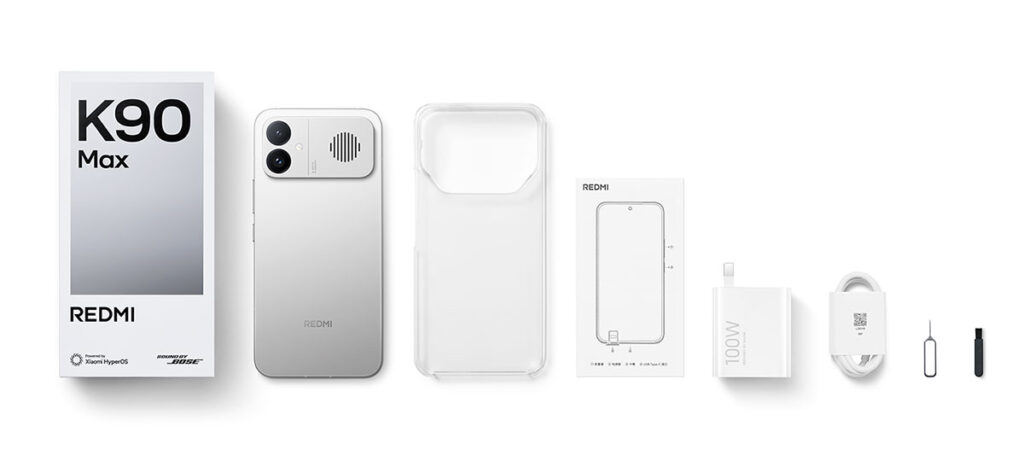
Despite it being holey and all, the fan is IPX8/IPX9 rated for water resistance, while the device itself is IP66/IP68/IP69 rated. Like the iQOO 15 Ultra, it also comes with a tiny brush for simple self-maintenance of the fan grille.
Cooling does not end there. It also boasts a 6,000 mm² ultra-large “ice-sealed” circulating cooling pump that features an innovative dual-stage raised architecture and an upgraded micro-nano capillary structure. Plus, there is over 12,000 mm² of high thermal-conductivity graphite and conductive gel to further bolster cooling. All told, the Redmi K90 Max has a total of 31,589 mm² of heat dissipation area.
Performance-wise, it benefits from the MediaTek Dimensity 9500, built on a third-generation 3 nm flagship process. This SoC combines a 4.21 GHz ultra-high-frequency large core and an upgraded “console-grade” ray-tracing engine for the GPU. The main chip is bolstered by UFS 4.1 storage, LPDDR5X Ultra memory, and the new-generation AI discrete graphics chip D2, which now boasts a GEX module that optimizes lighting and shadow details through AI model pre-training. Redmi said the result is native image quality comparable to PCs. Bold claims, indeed.
There is also dynamic frame interpolation technology, which calculates and compensates based on moving images, resulting in smoother and more fluid dynamic effects. The device also claims super-resolution and super-frame rate simultaneously, thanks to the AI hardware module and EMV super-frame engine. This allows it to run large-scale turn-based games at max graphics settings at 927p and 60 fps for a straight 3 hours. It can also handle large-scale open-world games at an impressive 1.5K and 165 fps, maintaining a sustained full frame rate while consuming less power.
It has a 6.83-inch FHD+ (2,772 × 1,280) AMOLED display with a 165 Hz adaptive refresh rate, up to 480 Hz touch sampling rate, and up to 3,500 Hz instant touch sampling rate.
Still on gaming performance, it has a pair of 115X symmetrical stereo speakers with sound by Bose. Thanks to Dolby Atmos and sound by Bose, you would be able to hear where shots and footsteps are coming from.
And then there’s the Xiaomi Hyper T1+ signal-enhancing chip and no less than 7 esports antennae that ensure strong signals even in subways (China’s subway, of course) for gamers who are on the move.
The new K90 Max is not just a gaming flagship—it is a power bank too, packing an astonishing 8,550 mAh battery, which you can share with gadgets in need of juice with its 22.5 W wired reverse charging. It does not have wireless charging. It only has 100 W FlashCharge, which supports the 100 W PPS protocol. Xiaomi’s engineers have routed the charging cable to the side, which the handset maker said lets you play as it charges without heating up.
Imaging is less impressive, IMHO. However, it does get a 50 MP main camera with 3-axis OIS and an 8 MP ultra-wide-angle camera. Meanwhile, the front has a 20 MP camera.
Other highlights include Wet Touch 2.0, multi-function NFC, IR blaster, ultrasonic fingerprint sensor, dual-band Wi-Fi, Wi-Fi 7, 2G to 5G radios, nano SIM, Bluetooth 5.4, and the usual suite of positioning systems and sensors.
The Redmi K90 Max has been launched in China in a choice of shadow black, sky blue, and space silver, and in configurations including 12 + 256 GB, 12 + 512 GB, 16 + 256 GB, 16 + 512 GB, and 16 + 1 TB. Prices start at 3,199 yuan [CH] (around US$469) at the current exchange rate.
Images: Xiaomi [CH].


