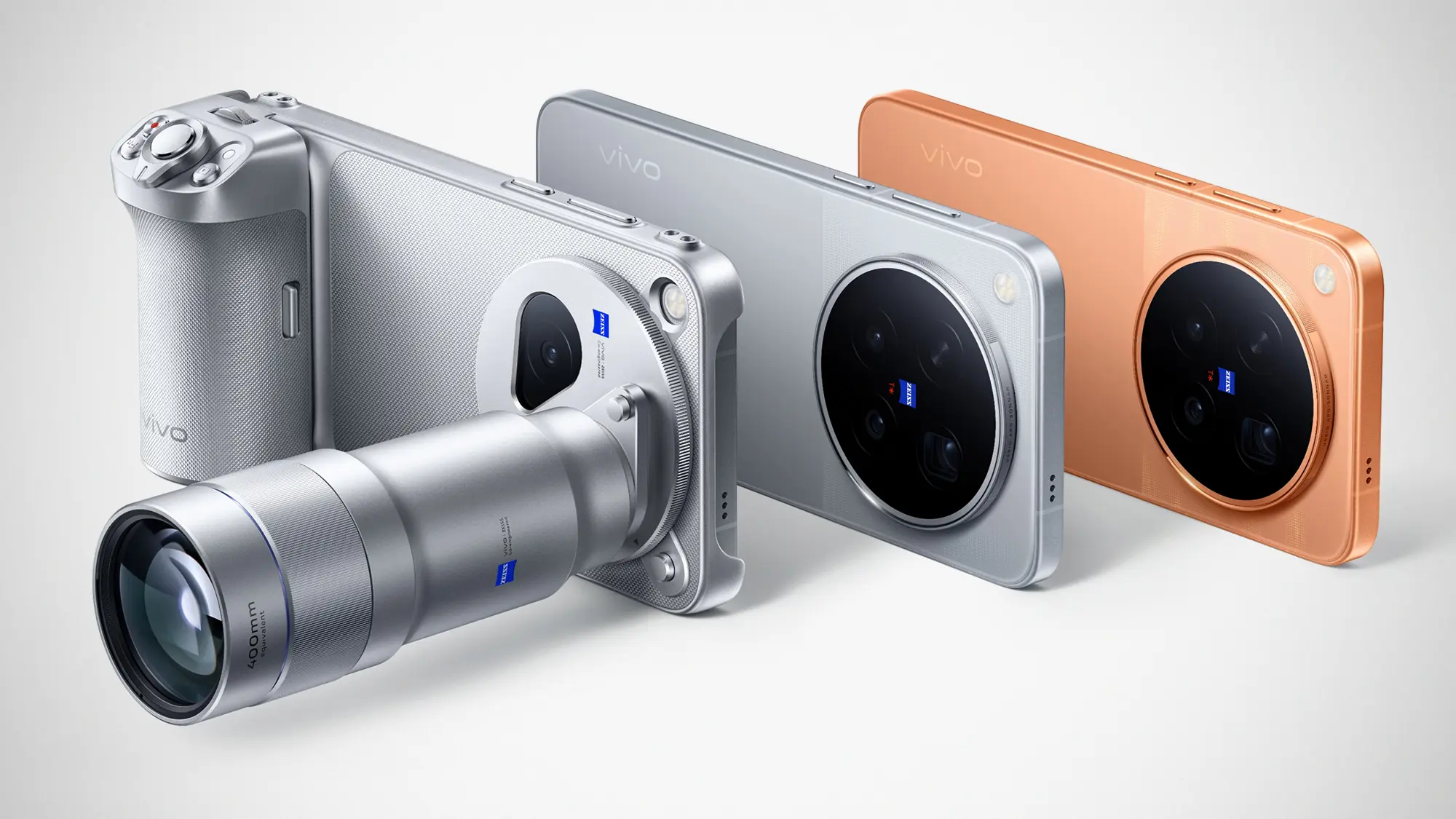
It took me a while to realize that we did not miss writing about the Vivo X400 because there isn’t one. That’s right. Vivo has gone from X300 straight to X500. I am not sure if it is because the number “4” sounds like death in Chinese—even more so in Cantonese, the key language or dialect in Guangdong, where Vivo is based. So that might be it. Or perhaps it is taking this opportunity to convey the major upgrade in the X Series. I am not sure.
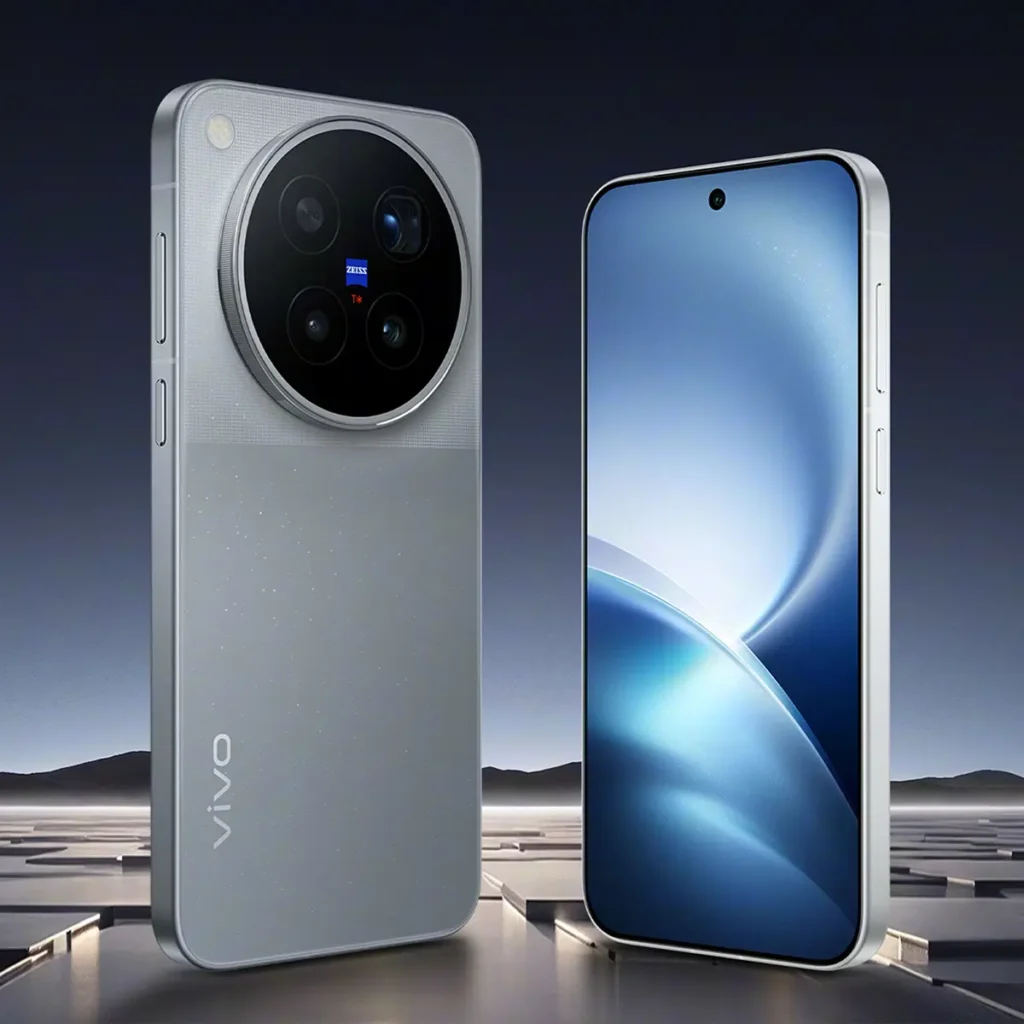
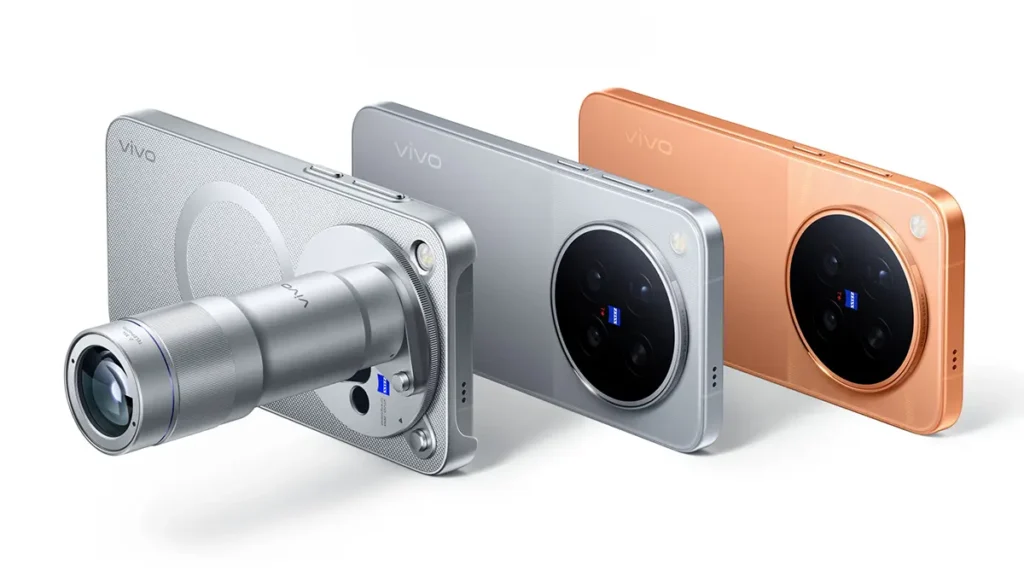
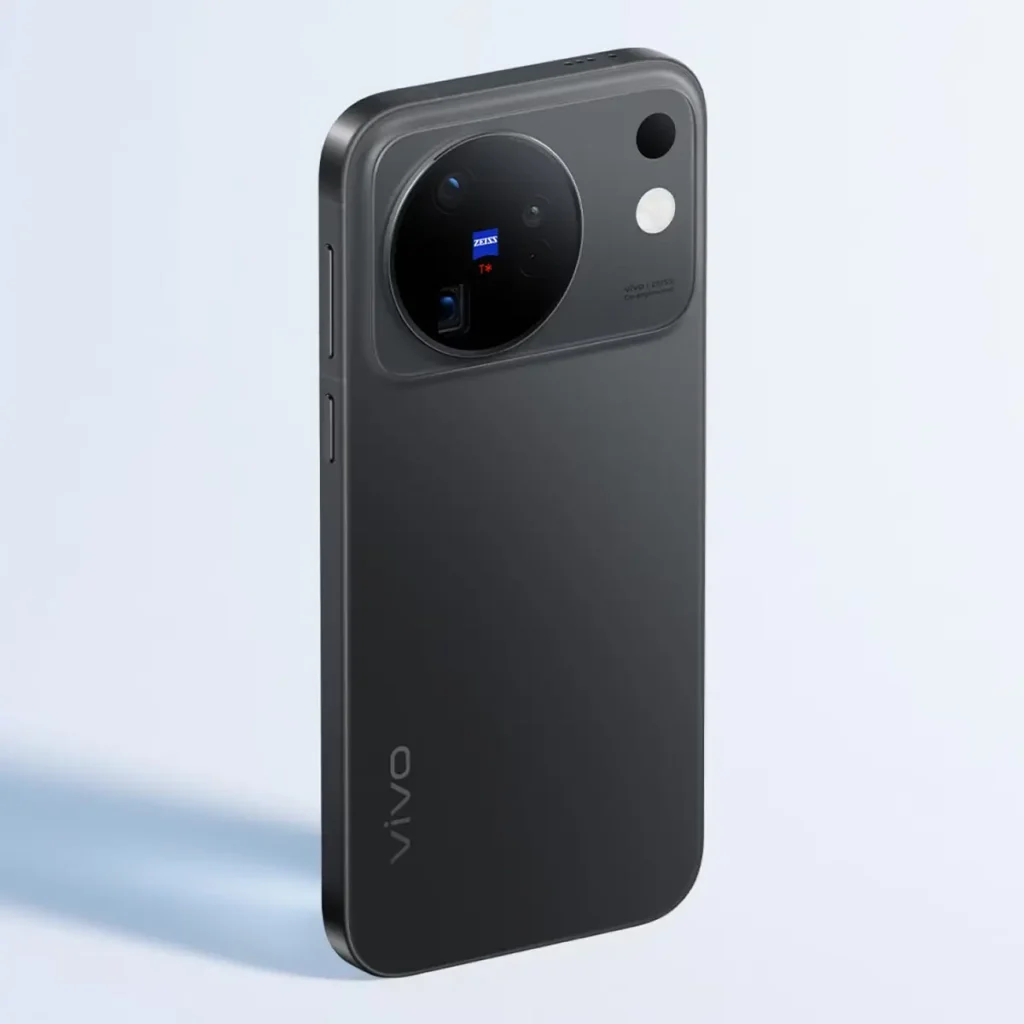
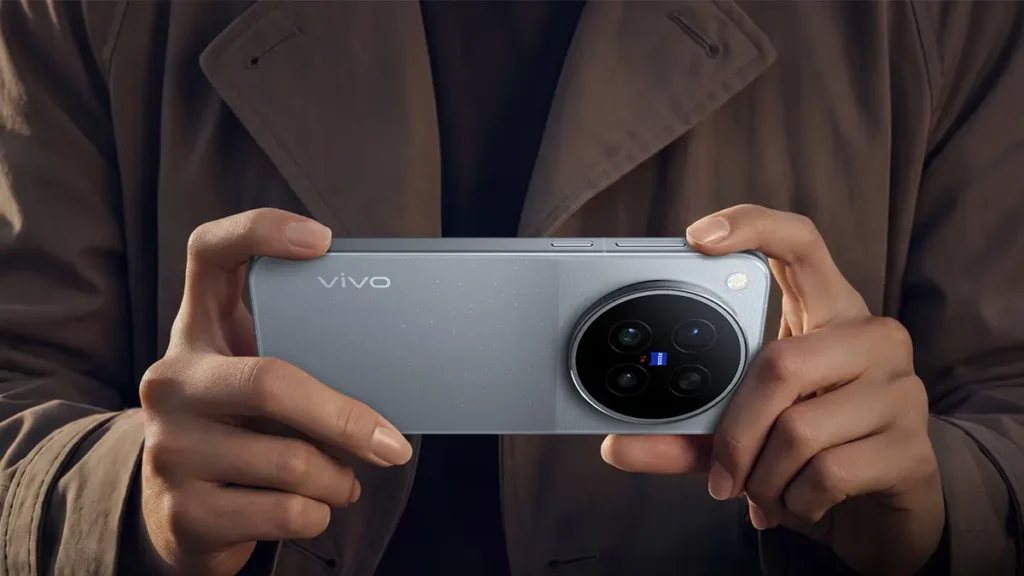
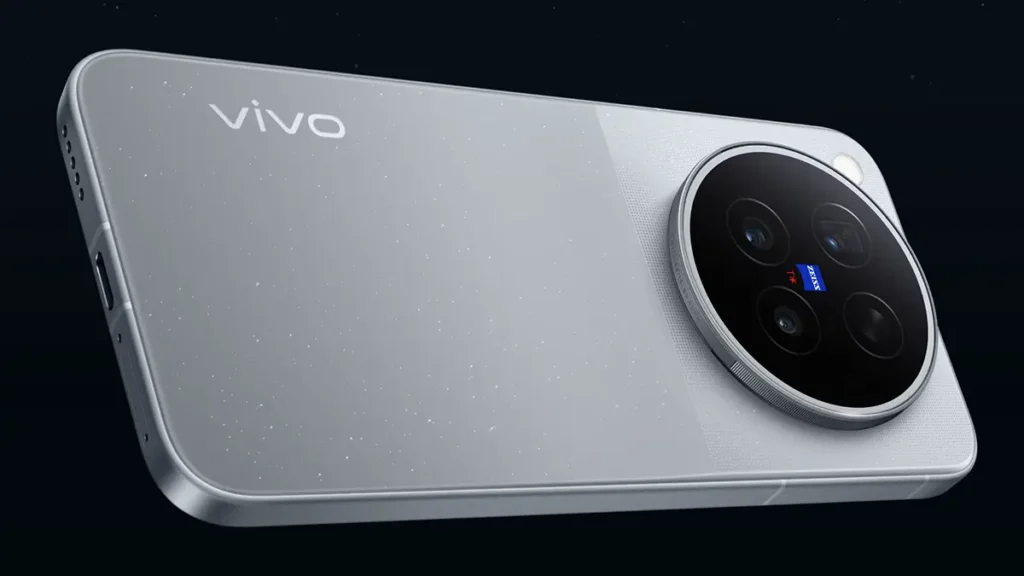
Anyhoo, folks, meet the new Vivo X500 Series, a lineup I see as direct competition to the Oppo Find X10 Series because both love extreme zooming and even come with an optional lens kit for this purpose, which is perfect for concertgoers. Vivo’s new family comprises three phones: the X500, compact X500 Pro, and big-boss X500 Pro Max.
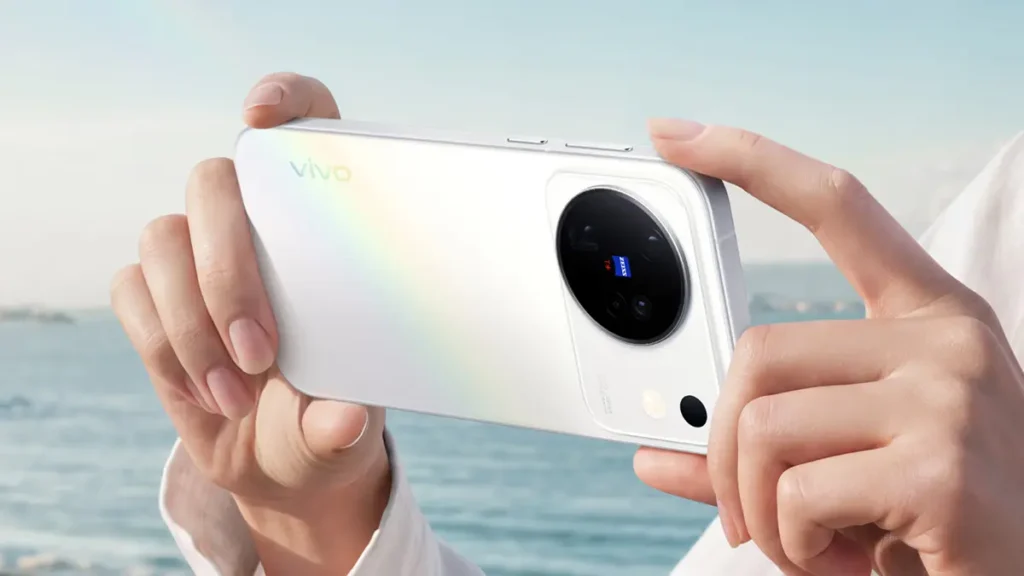
The standard X500 [CH] starts with a 50 MP Sony LYT-828 main camera featuring a large 1/1.28-inch sensor, f/1.68 aperture, OIS, and Zeiss T* coating. It is joined by a 50 MP autofocus ultrawide and a 64 MP Sony LYT-610 APO periscope telephoto with a 72 mm-equivalent focal length, 15 cm telephoto macro, and CIPA 5.5 stabilization.
Move up to the X500 Pro [CH], and you get Vivo’s new Blueprint Light Field 900 main sensor. The 50 MP, 1/1.28-inch camera has an f/1.57 aperture and CIPA 7.0 stabilization. It is paired with a 64 MP LYT-610 periscope telephoto offering an 85 mm-equivalent focal length and an 18 cm macro mode, plus a 50 MP autofocus ultrawide.
Then there is the X500 Pro Max [CH]. Its Blueprint Light Field 900 main camera delivers up to 17 stops of dynamic range, while the headline act is a 200 MP Samsung ISOCELL HPB Zeiss APO periscope telephoto. The latter uses a 1/1.4-inch sensor, 85 mm-equivalent lens, f/2.67 aperture, Zeiss T* coating, and CIPA 7.0 stabilization. In other words, the artist may be a tiny shape at the other end of the stadium to your eyes, but not necessarily to the phone.
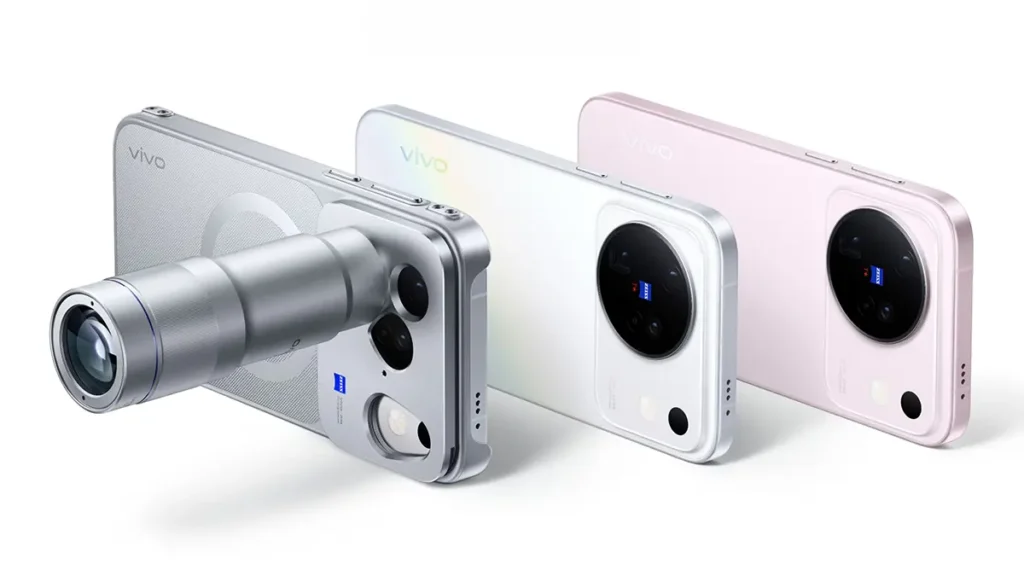
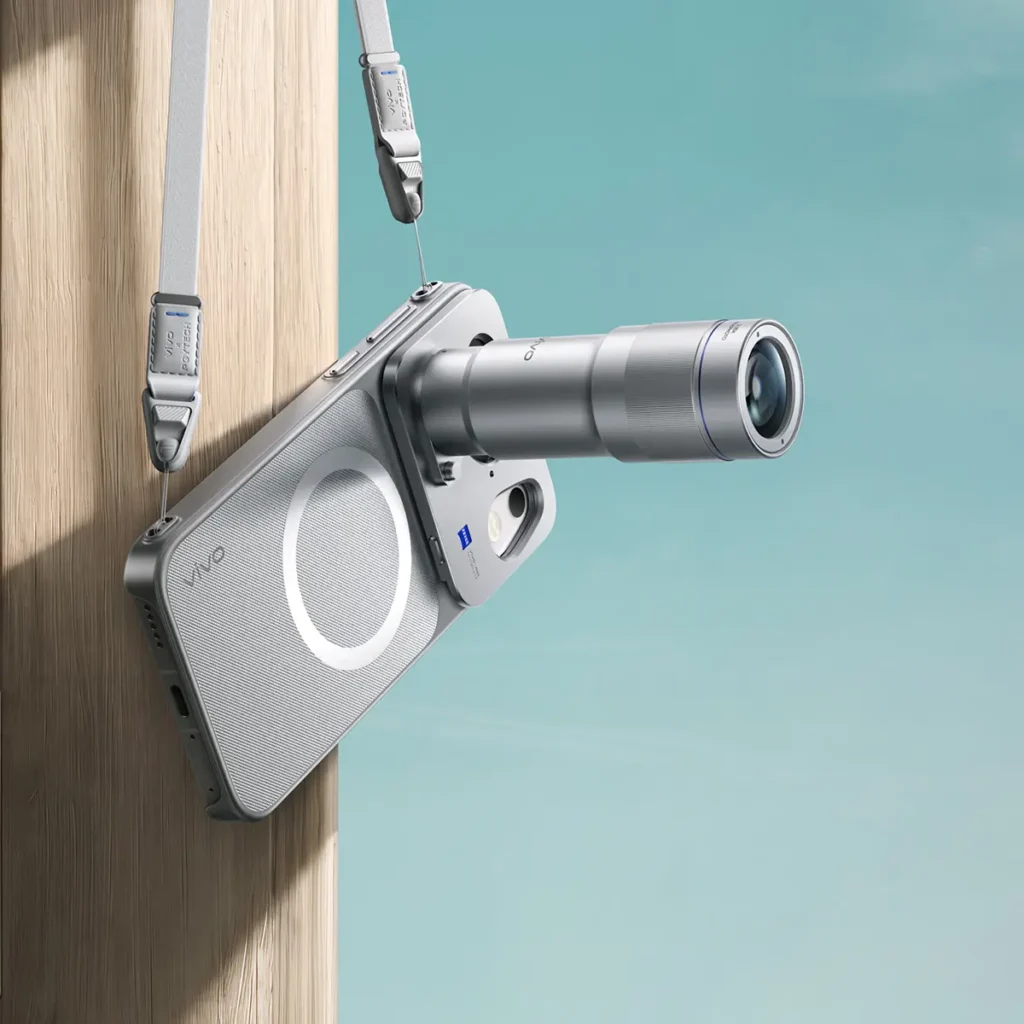
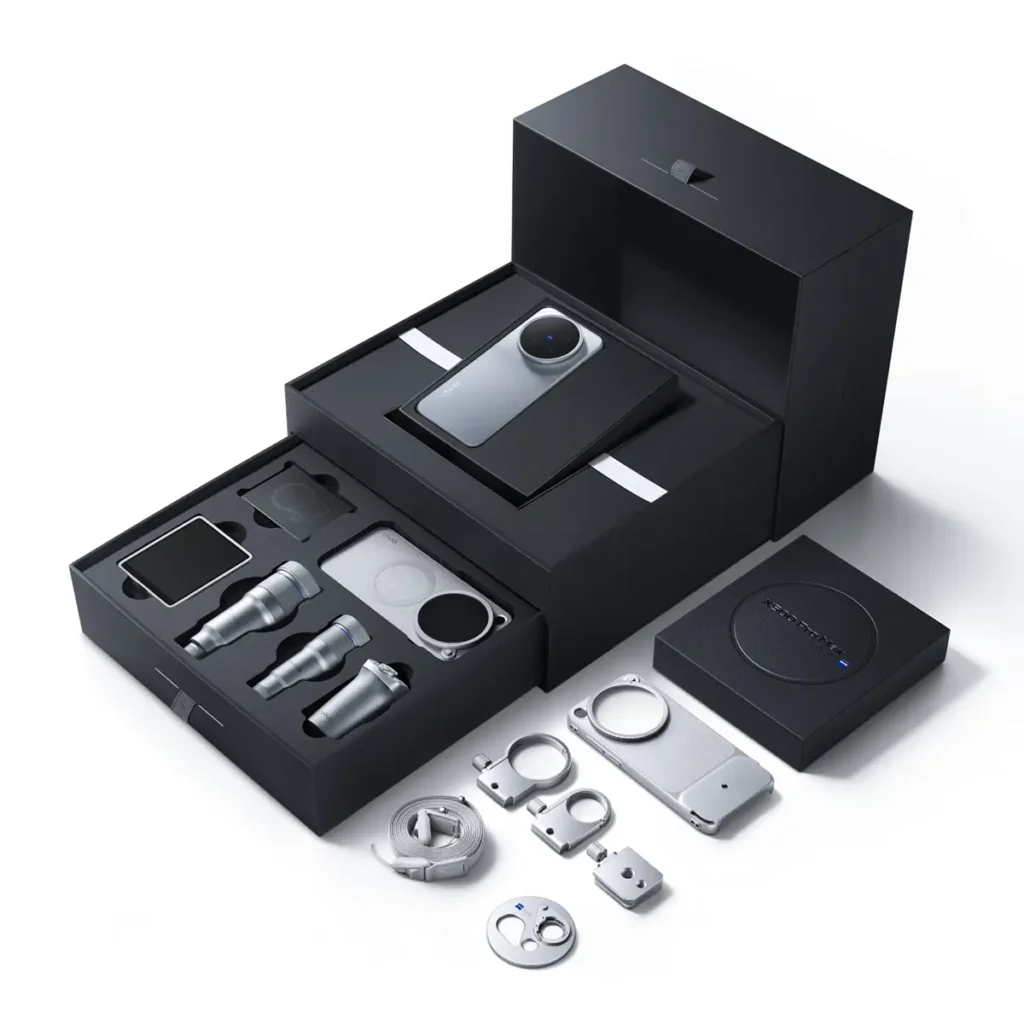
All three support an optional Vivo Zeiss Telephoto Extender G2 with an equivalent focal length of 200 mm. The Pro Max goes one step further by supporting the G2 Ultra, which stretches that reach to an equivalent 400 mm. Concert photographers should note Vivo’s warning, though: pointing the camera directly at stage lasers may damage the image sensor. Getting a close-up of your idol is great; permanently decorating every subsequent photo with laser damage is not.
Vivo also offers a separate 3.92-inch portable touchscreen monitor. It magnetically attaches to a compatible case and provides a live preview from the rear cameras, remote control from up to 10 m (33 feet) away, and a miniature monitor for shooting vlogs, tutorials, and product videos.
The Pro and Pro Max lean harder into video with native 4K slow motion at 240 fps, subject tracking at up to 4K 120 fps, 10-bit Log recording, custom 3D LUT support, cinematic color styles, and 8K Live Photos. The 17-stop dynamic range should help preserve details when filming difficult scenes with bright stage lights and much darker surroundings.
Powering the X500 is the Dimensity 9600M, while the Pro and Pro Max receive MediaTek’s 2 nm Dimensity 9600 Pro. Vivo also equips the Pro models with its VS1 and V3+ imaging chips. All three run OriginOS 7 and offer LPDDR5X Ultra memory with UFS 4.1 storage.
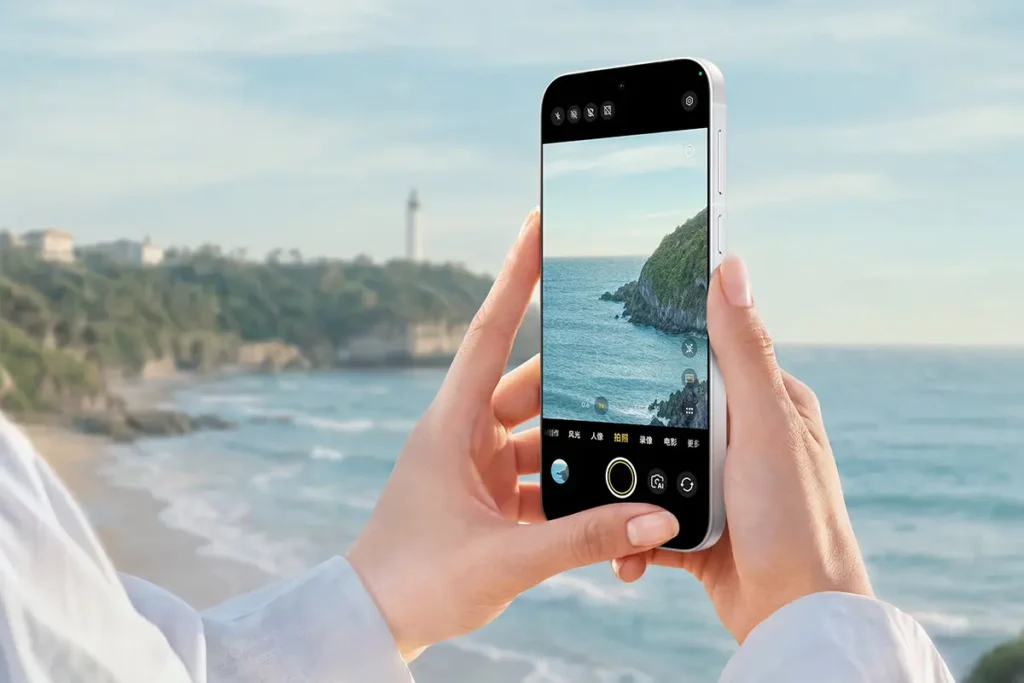
Display sizes are refreshingly different. The standard X500 has a 6.59-inch flat display with a refresh rate of up to 144 Hz. The X500 Pro is the hand-friendly one with a 6.36-inch LTPO panel capable of adjusting between 1 and 144 Hz. The Pro Max provides a 6.85-inch 2K LTPO display for those who believe a flagship phone should require a full hand commitment. All three are flat panels with Vivo’s Zeiss Master Color tuning.
Battery capacity does not follow the usual size hierarchy. The X500 carries a huge 7,500 mAh silicon-carbon battery, while the smaller Pro has 6,510 mAh. The Pro Max unsurprisingly tops the family with 8,000 mAh. Every model supports 90 W wired and 40 W wireless charging.
Other equipment includes a 3D ultrasonic fingerprint sensor, dual speakers, vapor-chamber cooling, Wi-Fi 7, IP68 and IP69 protection, and a metal frame with sculpted glass on the rear.
The Vivo X500 starts at 5,499 yuan [CH] (around US$772), while the X500 Pro begins at 6,499 yuan [CH] (around US$912). The X500 Pro Max opens at 6,999 yuan [CH] (around US$982). The series launched first in China, with an international release expected later.
So, yes, Vivo skipped an entire hundred, but it did not skip the upgrades. Between the long-range Zeiss cameras, optional telephoto extenders, huge batteries, and serious video hardware, the X500 Series appears ready for everything from everyday snapshots to filming a concert from the seat your budget condemned you to.
Images: Vivo [CH].