Remember Packard Bell? Depending on your age, the name may bring to mind a family PC, a bulky monitor, and someone telling you to get off the computer. Acer is giving the brand a fresh outing for its 100th anniversary, with a collection that reaches from your desk to your kitchen. Yes, there’s a food steamer. The family computer has acquired domestic interests.
Announced at IFA 2026, the relaunch introduces a colorful identity and the slogan “Tech it easy.” The idea is affordable technology for everyday life. Fair enough. Not every purchase needs to involve comparing AI performance figures.
Before we meet the dots, though, a quick history lesson.
A Century of Radios, Computers, and Changing Owners
Packard Bell began in Los Angeles in 1926, making radios before expanding into televisions. Teledyne bought the original company in 1968. In 1986, Beny Alagem and fellow investors acquired the name and established a new PC business. So even the Packard Bell computer you remember was a revival of an older brand. Nostalgia has layers.
The PC company became a major presence in American retail during the 1990s, then combined with NEC’s PC operations in 1996. Its American business subsequently faded, while the European operation continued. NEC sold the business to entrepreneur Lap Shun Hui in 2006, and Acer acquired it in 2008 following its Gateway takeover. Packard Bell had accumulated quite the collection of owners.
Under Acer, it continued selling computers, so there wasn’t an immediate switch to nothing but licensed products. Over time, however, the name also took on a separate life through regional brand-rights and licensing deals. Southern Telecom sold Packard Bell products in North America, while Universal Exports Group licensed the brand from Acer for southern Africa in 2019. The badge survived beyond the independent PC company, with different businesses behind it depending on where you shopped.
Now Acer is giving its Packard Bell brand a coordinated lifestyle collection. And the official product pages offer rather more to chew on than the announcement.
DotBook: The Family Laptop Returns
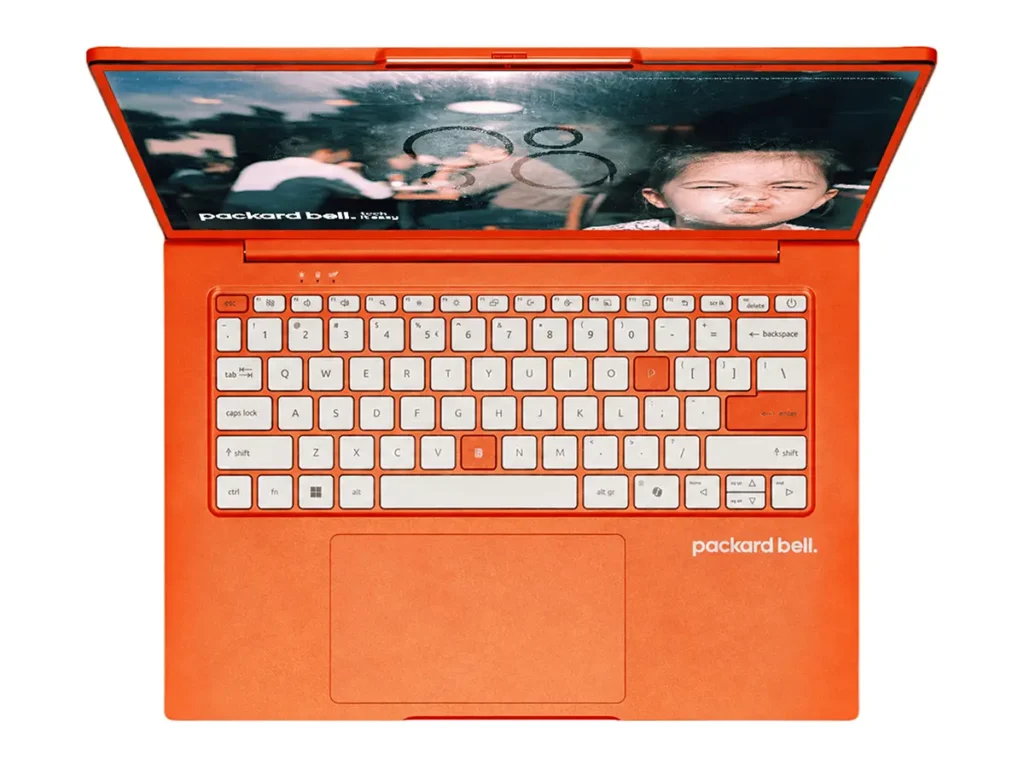
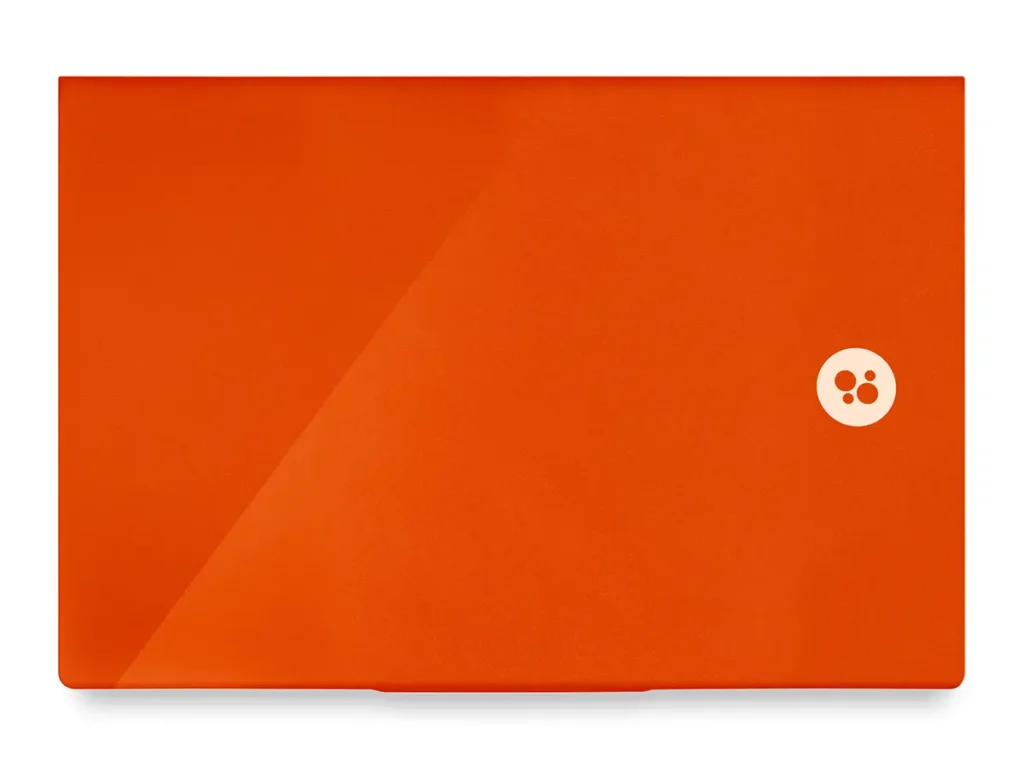
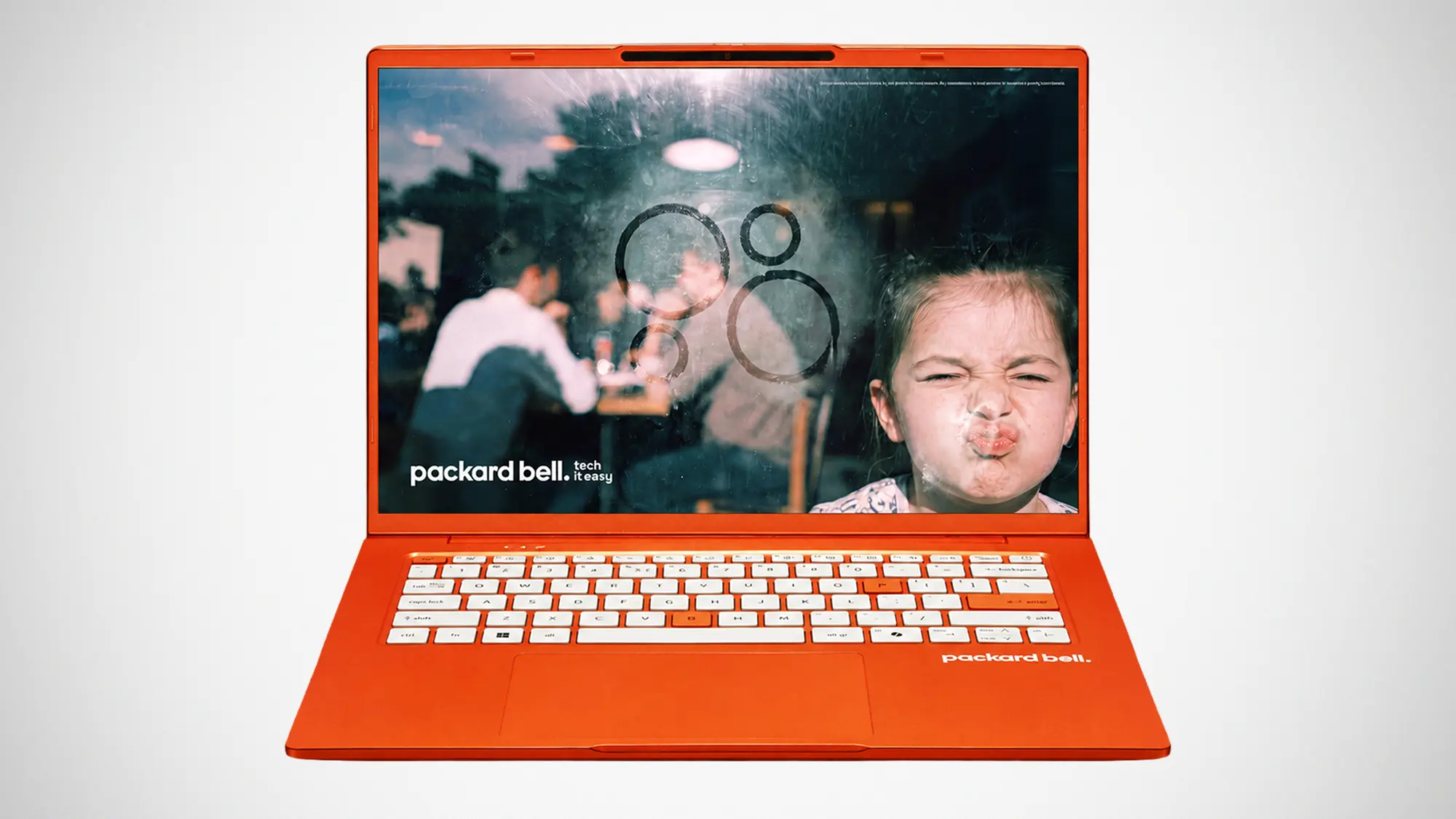
Leading the collection is the DotBook, a laptop for browsing, streaming, and everyday work. It runs an Intel Core 3 N355 processor with speeds up to 3.9 GHz, paired with Intel Graphics, up to 16 GB of DDR4 memory, and up to 512 GB of storage.
Its 14.5-inch IPS display has a 1920 × 1200 resolution, a 16:10 aspect ratio, and a typical brightness of 300 nits. Weight is under 1.3 kg (2.87 lb), with claimed battery life of up to seven hours. Two built-in speakers and two microphones round out the listed essentials.
No attempt to turn checking your email into an extreme sport here. The DotBook’s job is to handle the ordinary stuff and come along without becoming the heaviest item in your bag.
DotLoop: Vinyl With a Few Modern Conveniences
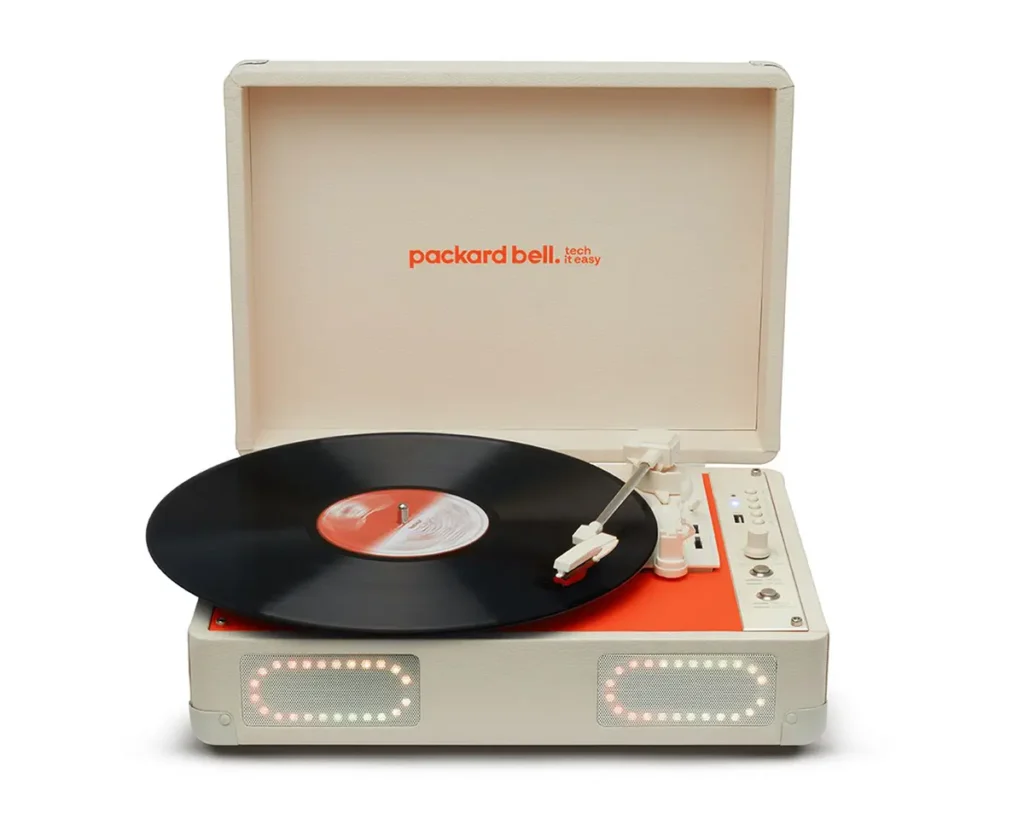
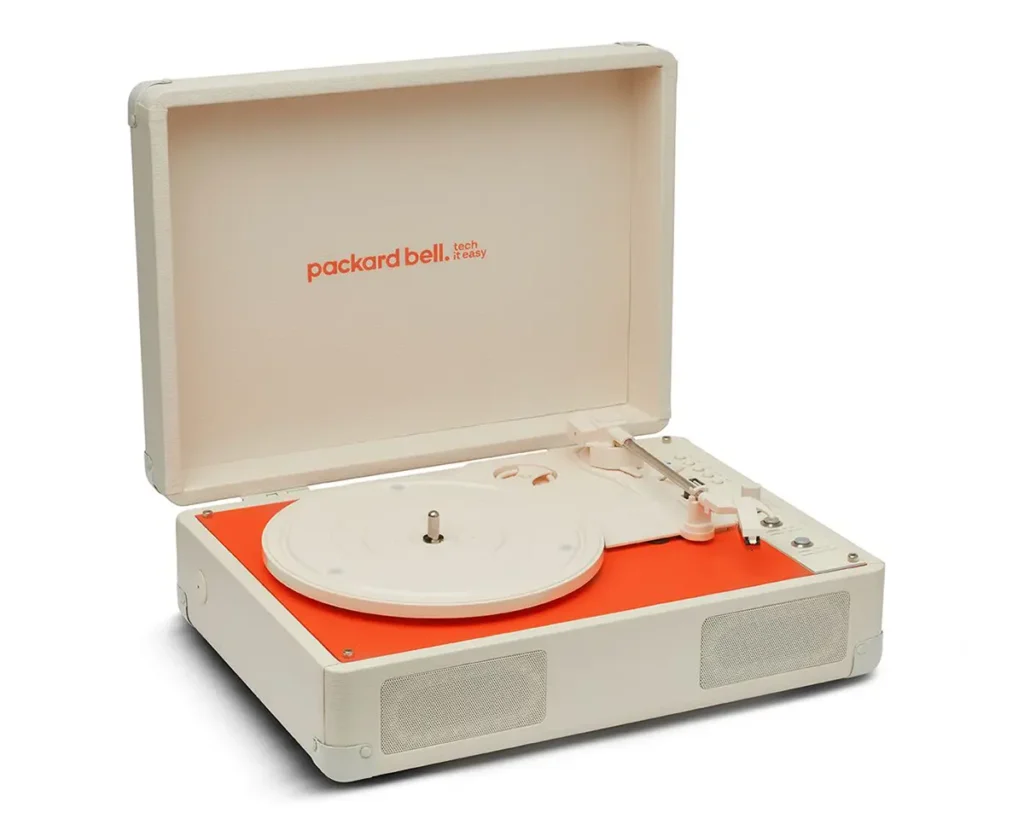
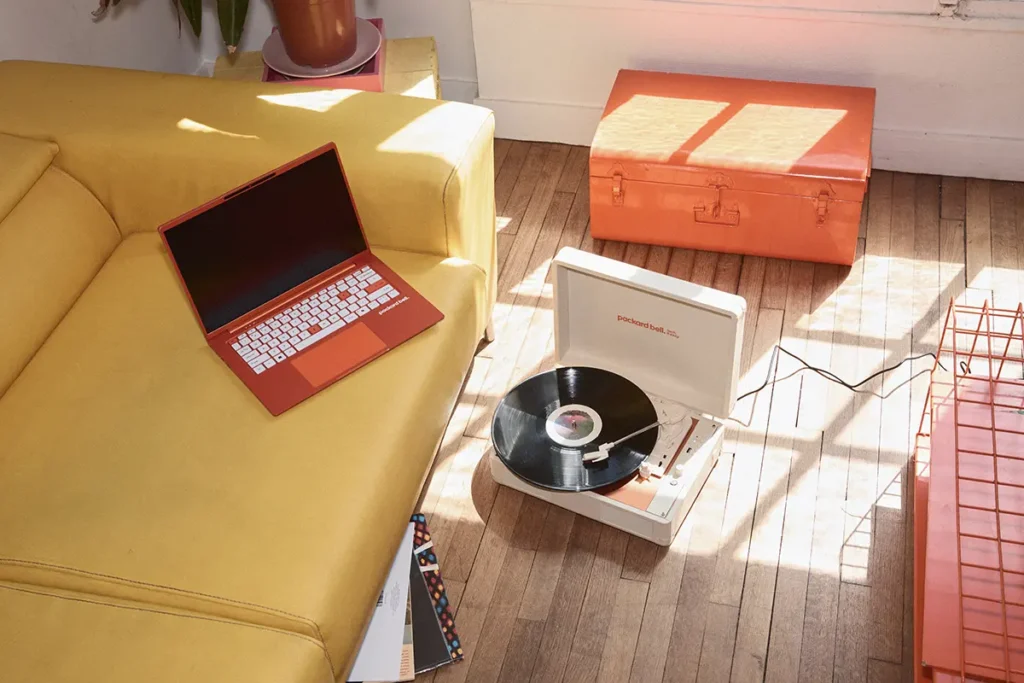
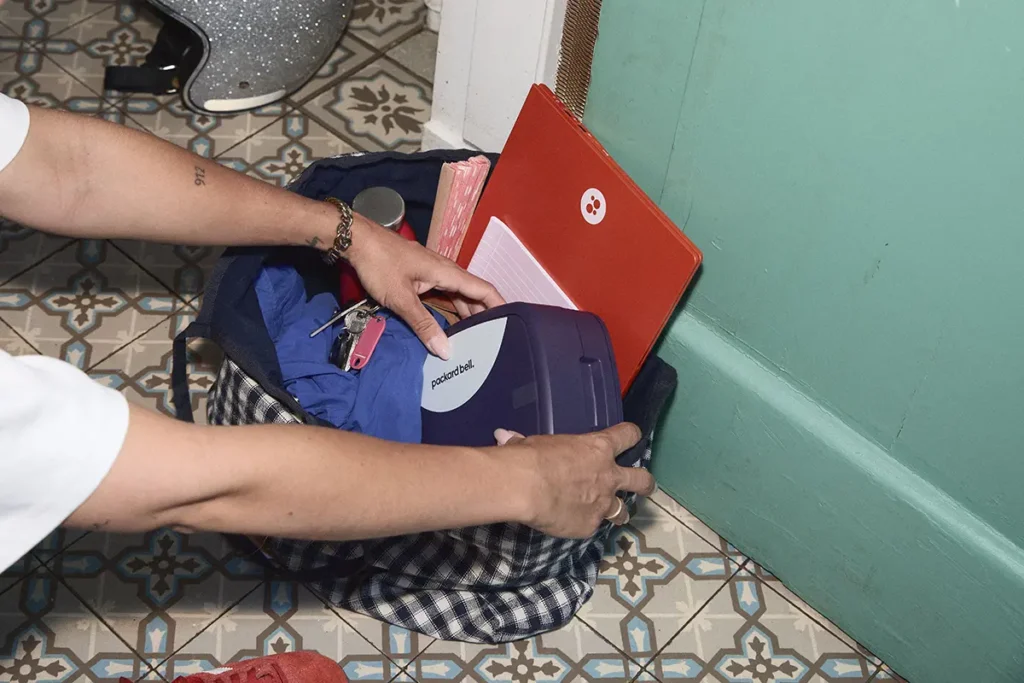
The DotLoop puts a turntable into a suitcase-style package, with support for 33, 45, and 78 RPM records. Two built-in 3 W speakers let it play without a separate sound system.
Bluetooth 5.0, AUX input, and USB input provide alternatives when you don’t feel like choosing a record. RCA and Bluetooth audio outputs allow connections to external audio equipment. There’s also an RGB light ring with three modes and advertised voice control, although the page doesn’t explain the commands or how that feature works.
A suitcase turntable with its own tiny light show. Your record collection can now travel with more party equipment than you do.
DotTune: A Speaker That Sticks Around
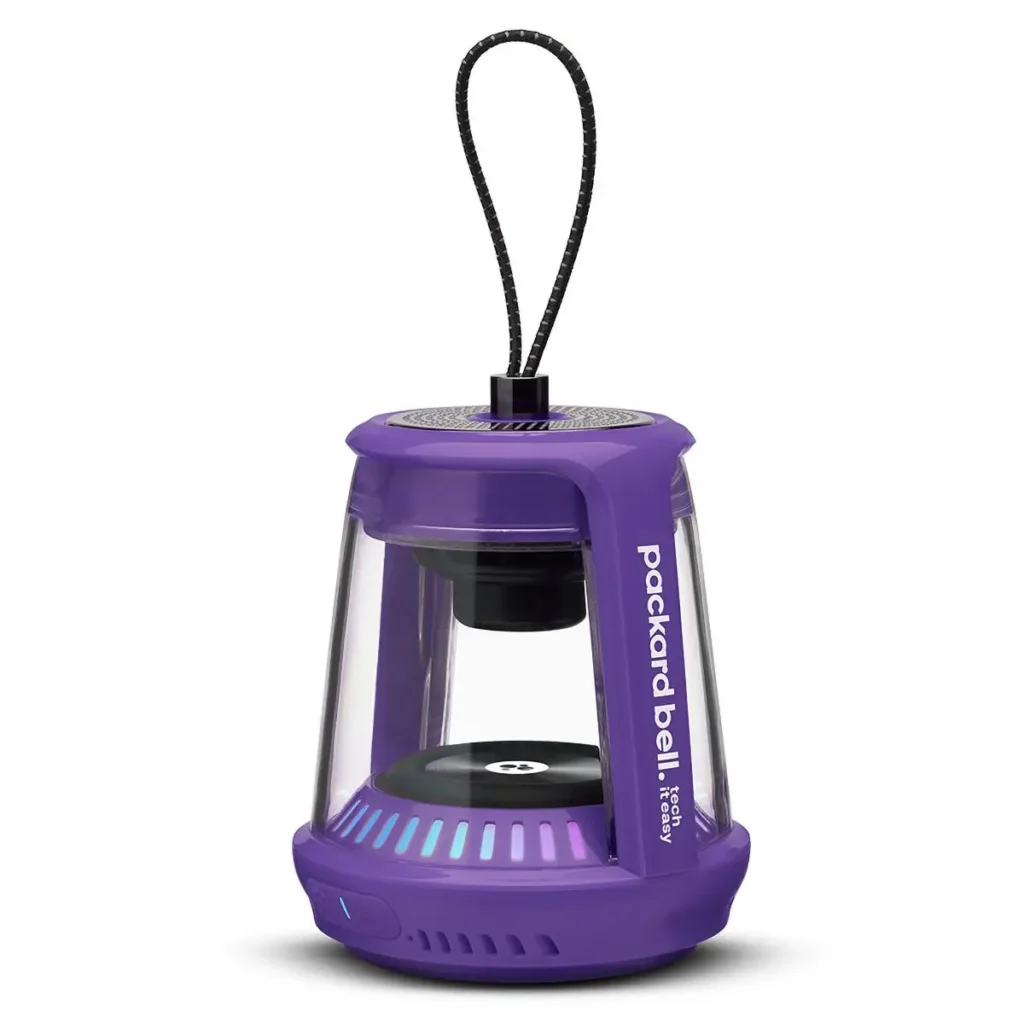
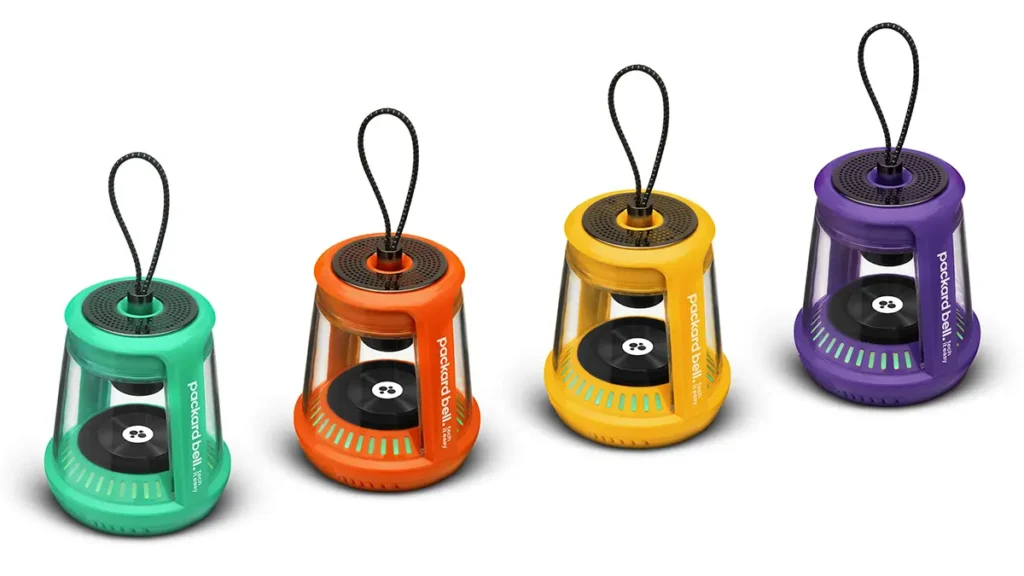
The DotTune is more versatile than the press release’s “home speaker” description suggests. Its magnetic base attaches to suitable metal surfaces, so the fridge can join the entertainment system.
The speaker delivers 5 W of output, uses Bluetooth 5.3, and supports pairing two units for stereo playback. LED lighting adds some color, while an IPX4 rating provides splash resistance. Claimed battery life reaches eight hours, with USB-C charging taking approximately 1.5–2 hours.
Useful company while cooking, provided your singing doesn’t frighten the vegetables.
DotBass: Headphones With Color and Staying Power
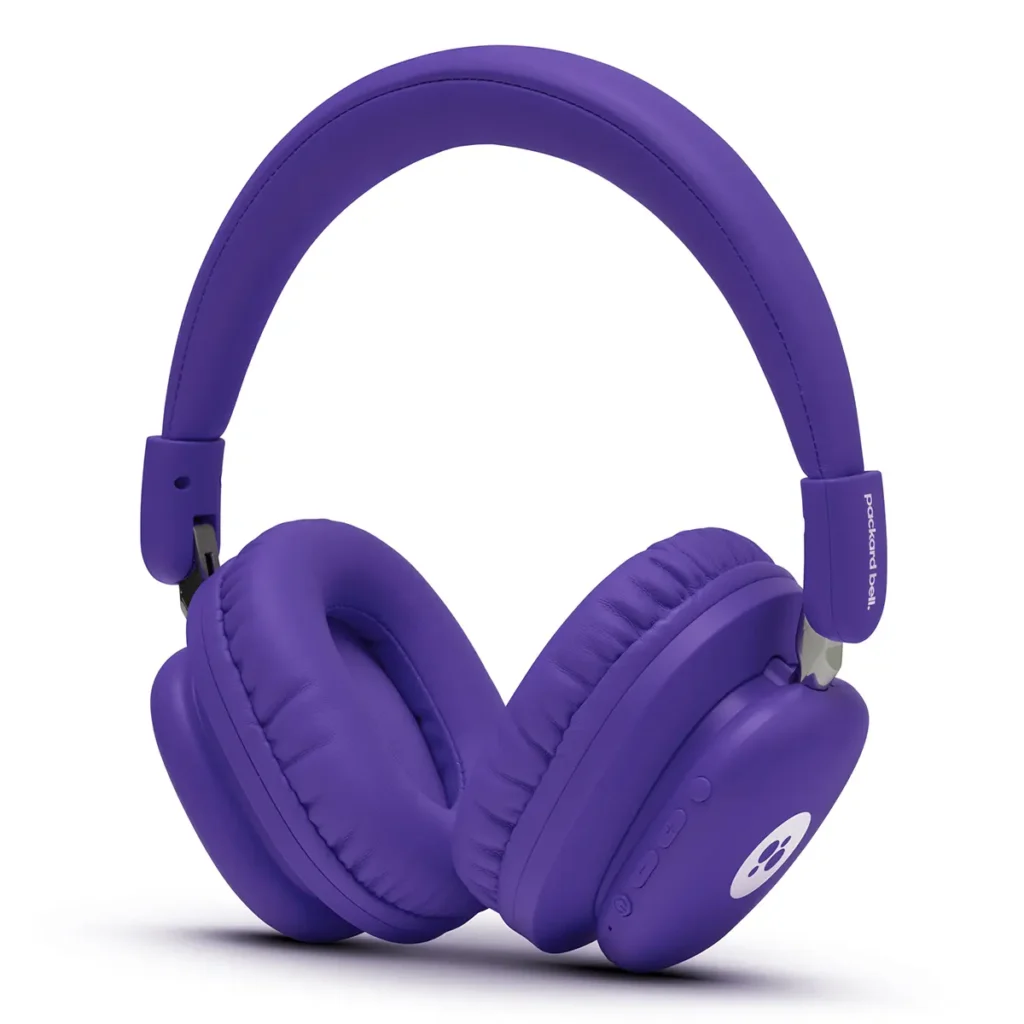
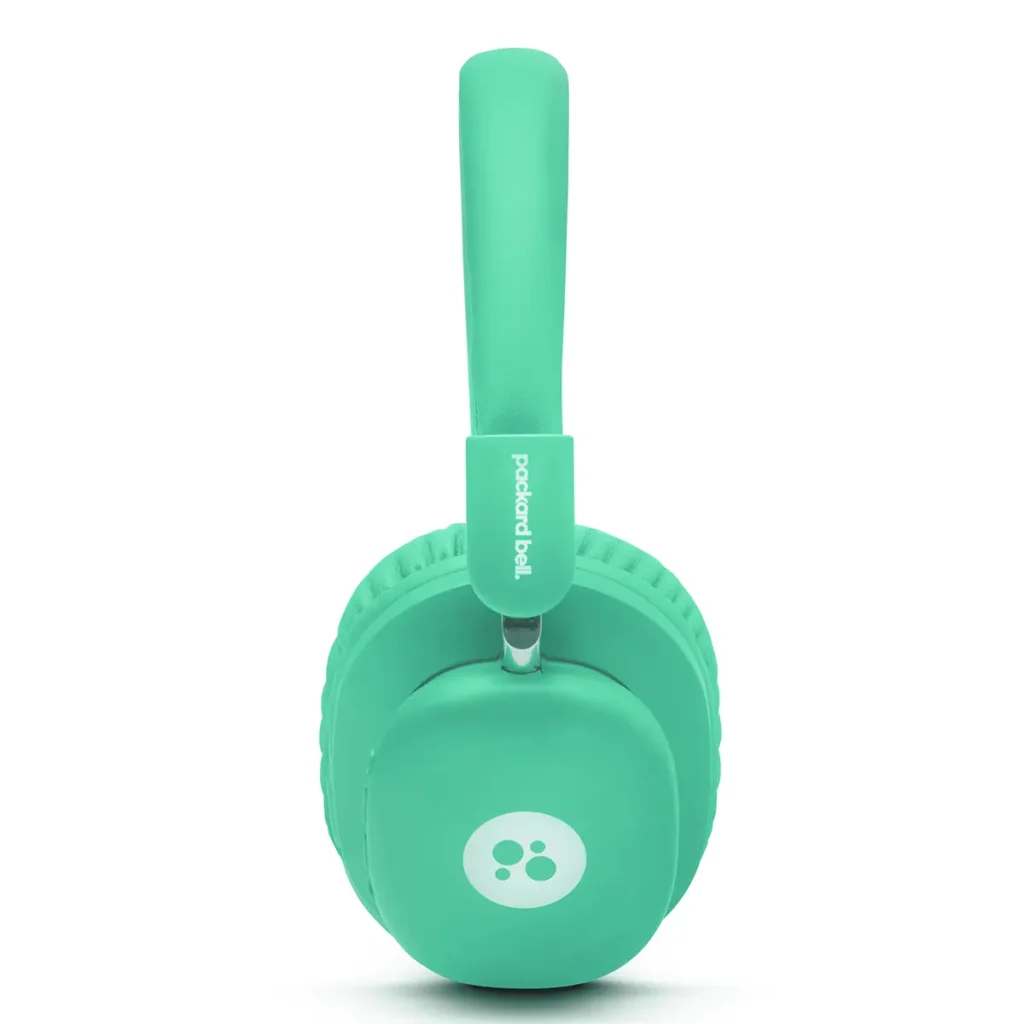
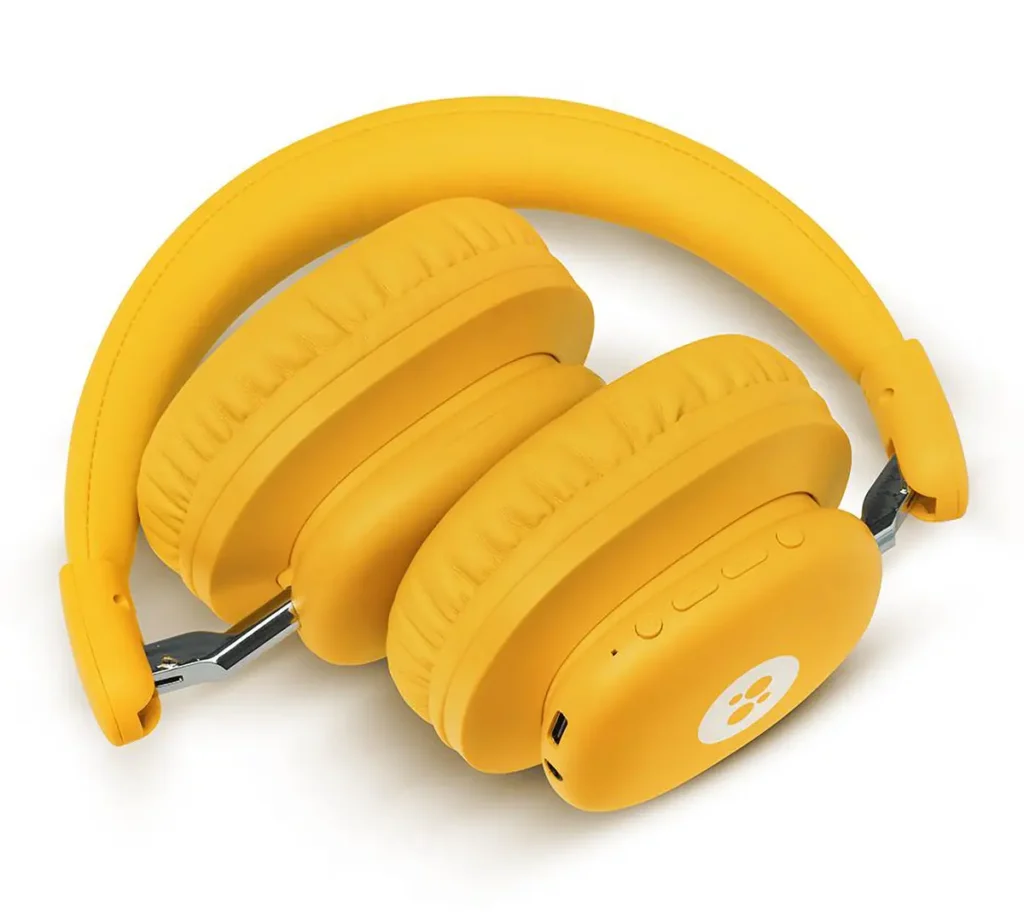
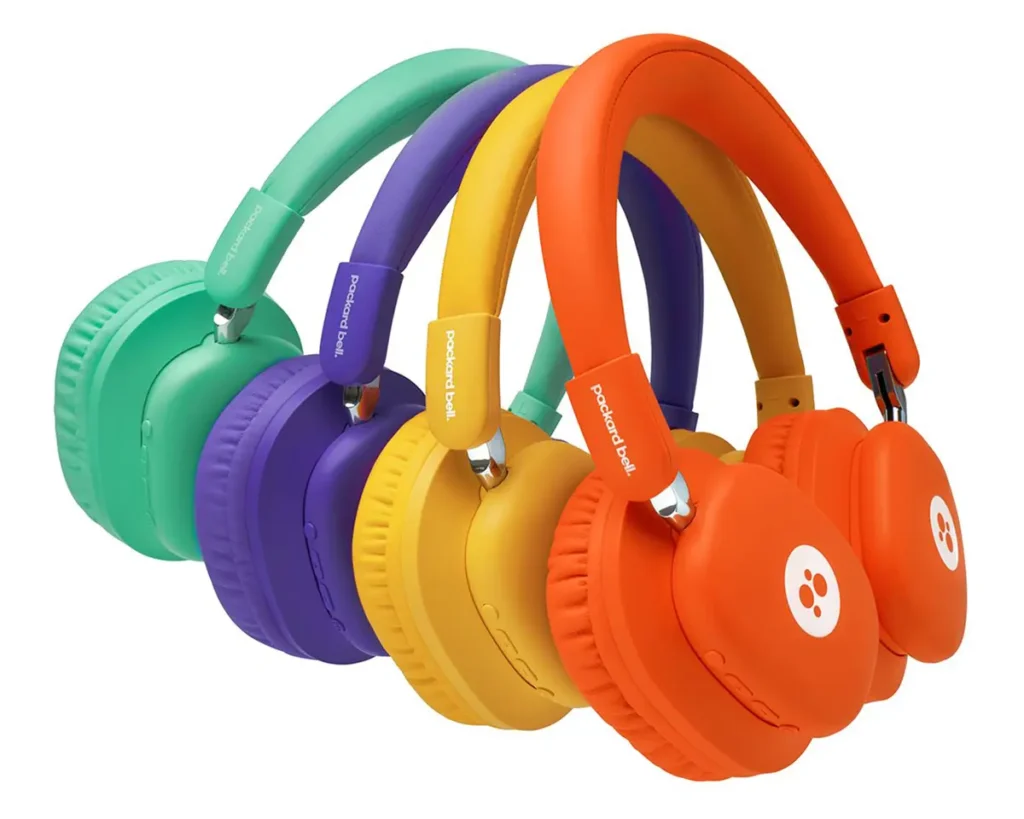
The DotBass headphones have a foldable wireless design, an integrated microphone, and Bass, Pop, and Vocal EQ modes. Bluetooth 6.0 handles connectivity, while a 500 mAh battery promises up to 40 hours of playback.
That should cover a fair amount of commuting, music, and pretending not to hear someone asking you to do something. Actual endurance will depend on how you use them, of course.
DotLook: Music Without Earbuds
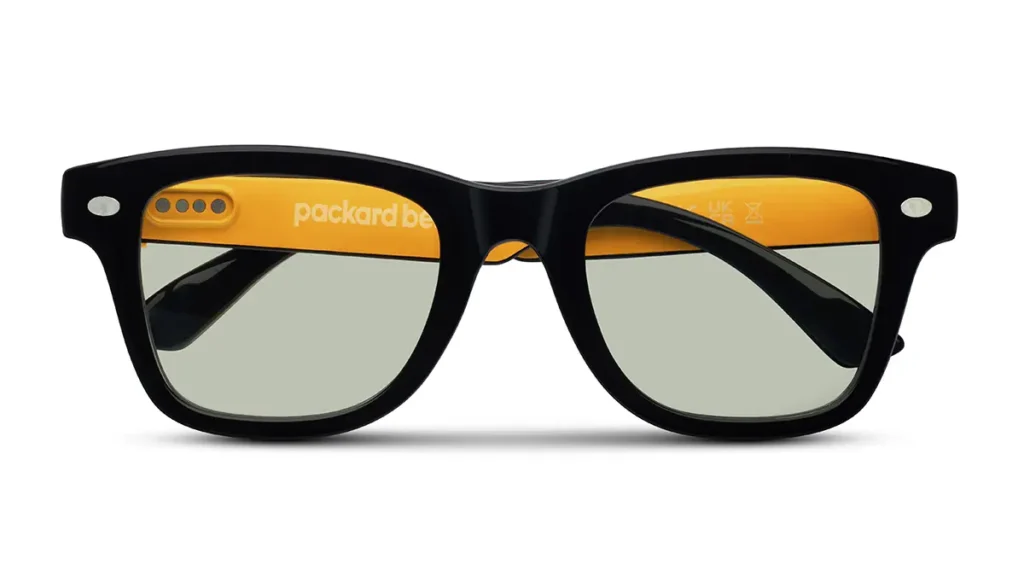
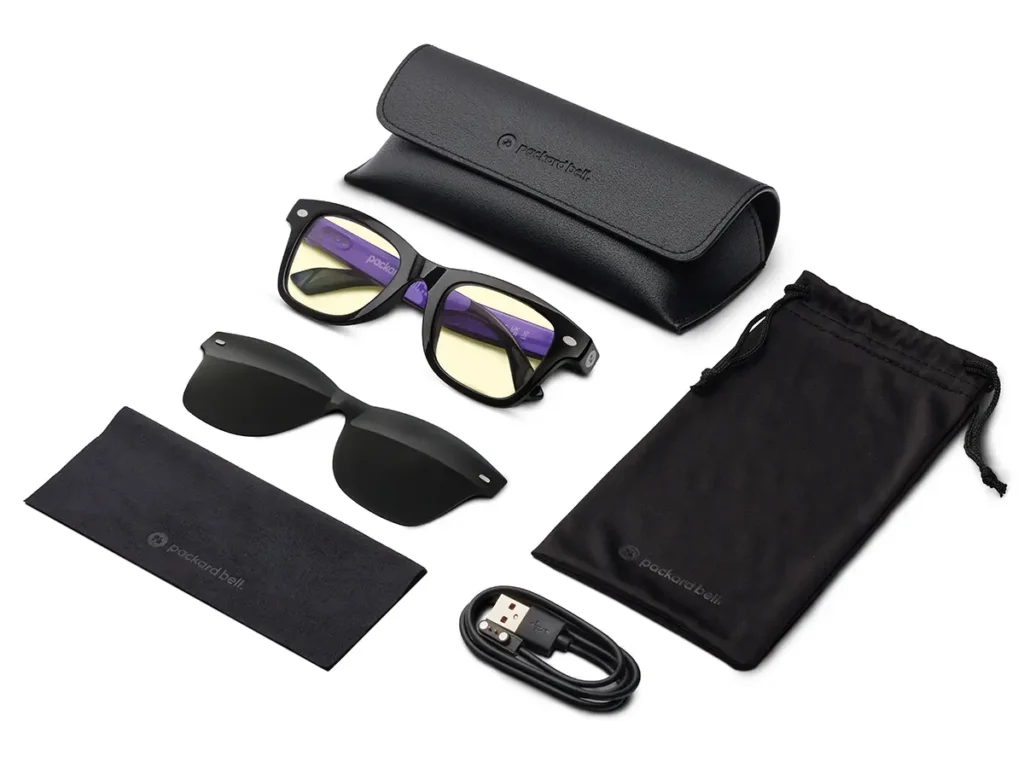
The DotLook audio glasses handle music, podcasts, and calls without putting earbuds in your ears. They use Bluetooth 5.3, list a 140 mAh battery on each side, and claim up to ten hours of use.
Features include magnetic lenses, EQ controls, shortcuts, and environmental noise cancellation, or ENC. The latter shouldn’t be confused with active noise cancellation for blocking out your surroundings.
The appeal is straightforward: wear your audio instead of digging around for the earbud that has escaped to the bottom of your bag. You do still need to remember where you put your glasses.
DotLine: A Phone That Knows When to Stop
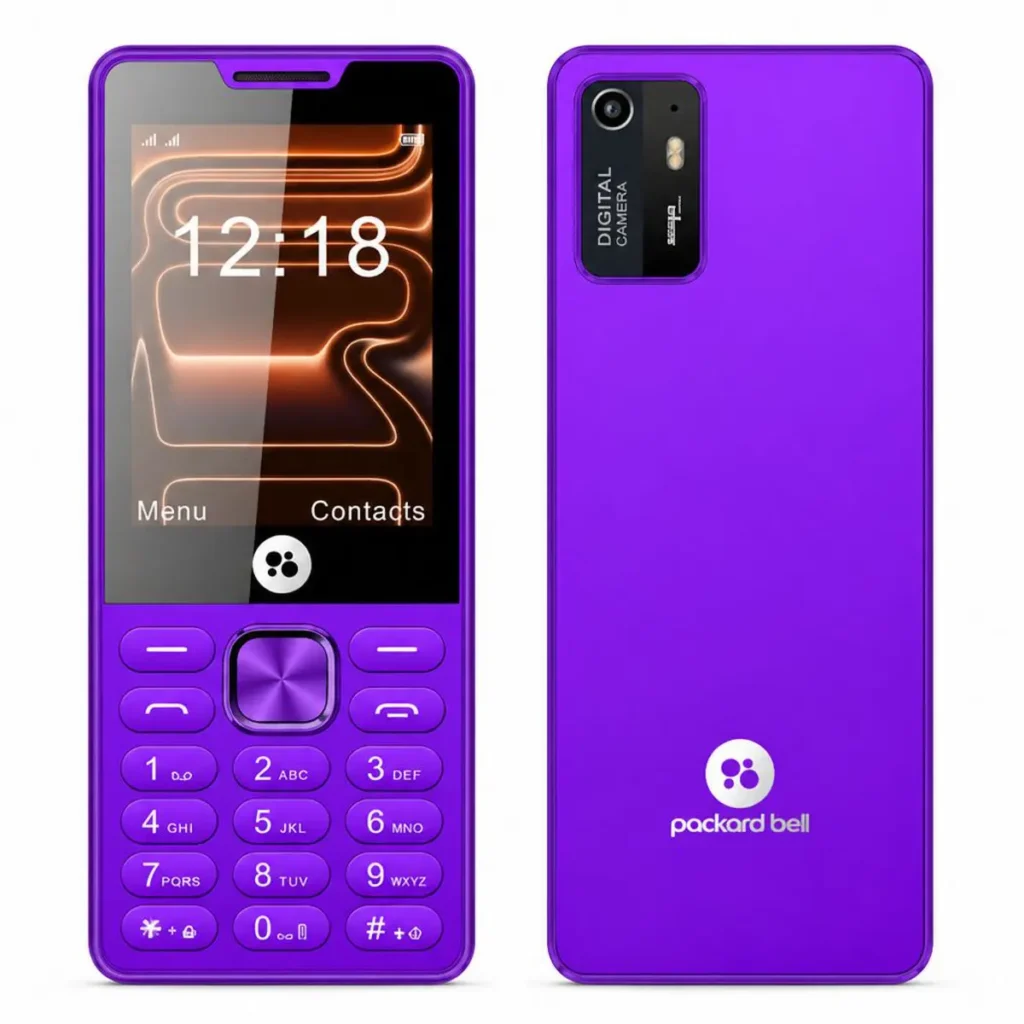
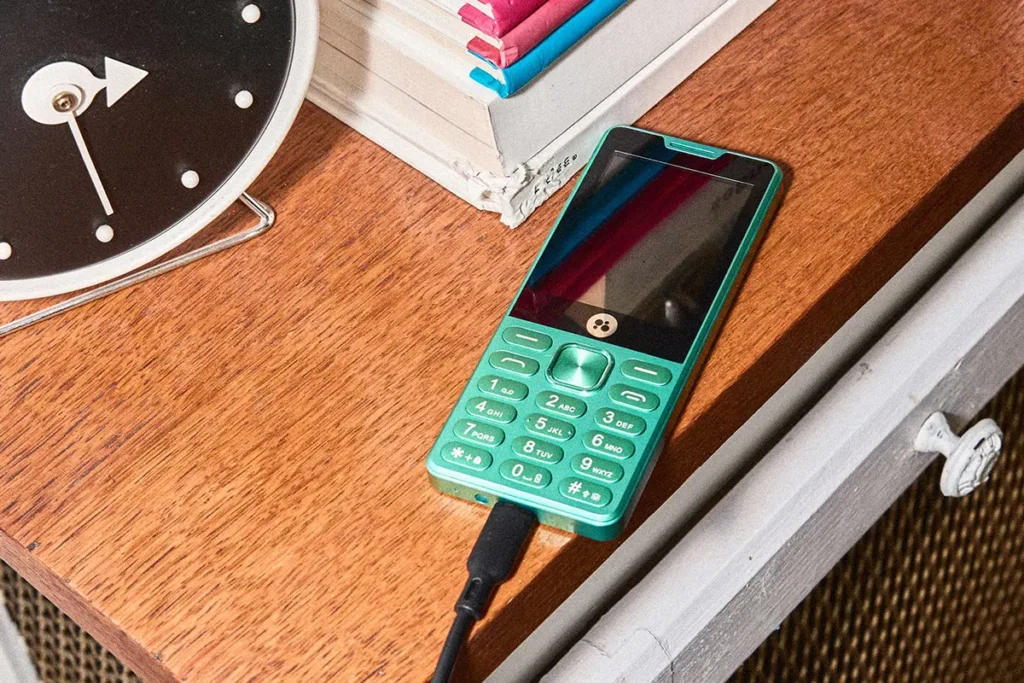
The DotLine is a 4G feature phone aimed at calls, texts, and taking a little distance from smartphone life.
It has a 2.8-inch, 240 × 320 IPS screen, 48 MB of RAM, 128 MB of ROM, and a 1,800 mAh battery. Dual-SIM support and memory-card expansion up to 32 GB are also listed.
Yes, those memory figures are in megabytes. Nobody is suggesting you edit a film on it. There’s something appealing about a phone whose ambitions end before it tries to become your television, shopping mall, and source of daily outrage.
DotShine: Lighting for Take Number 47
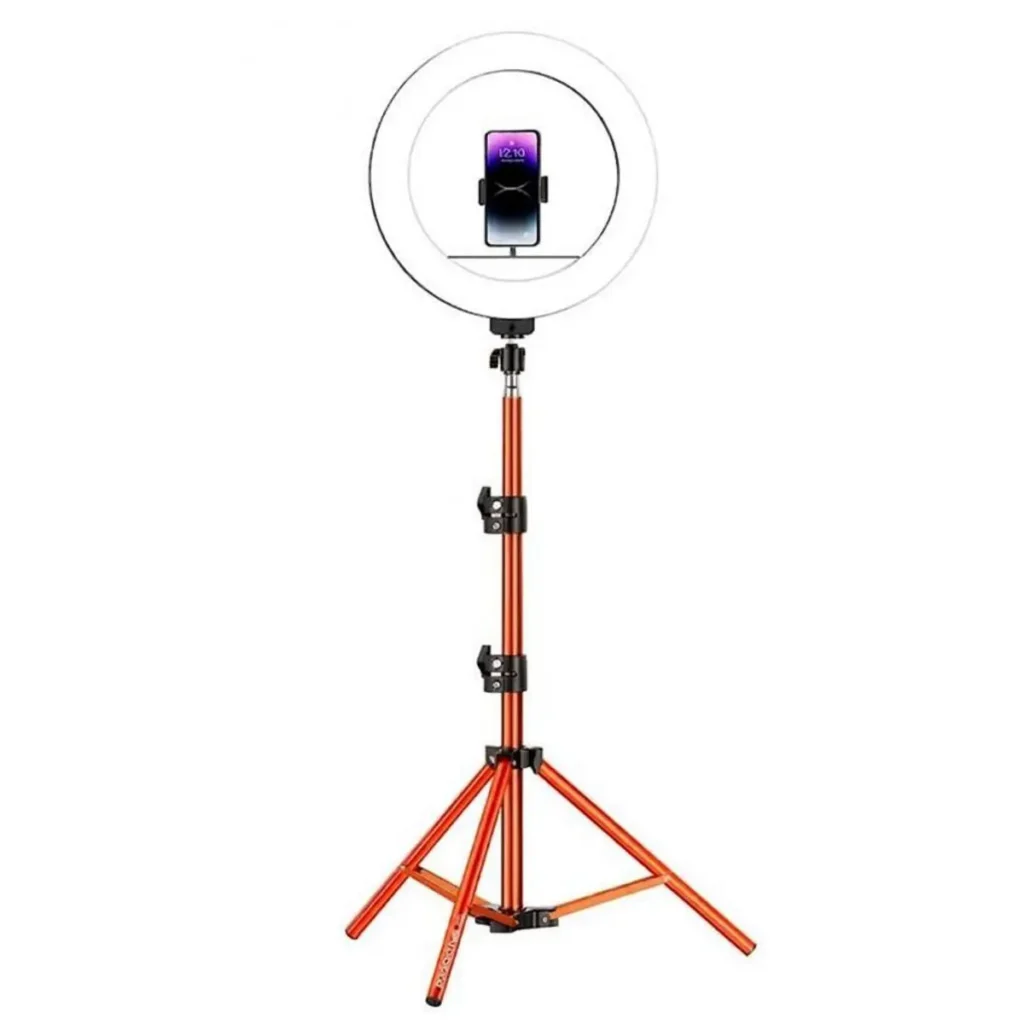
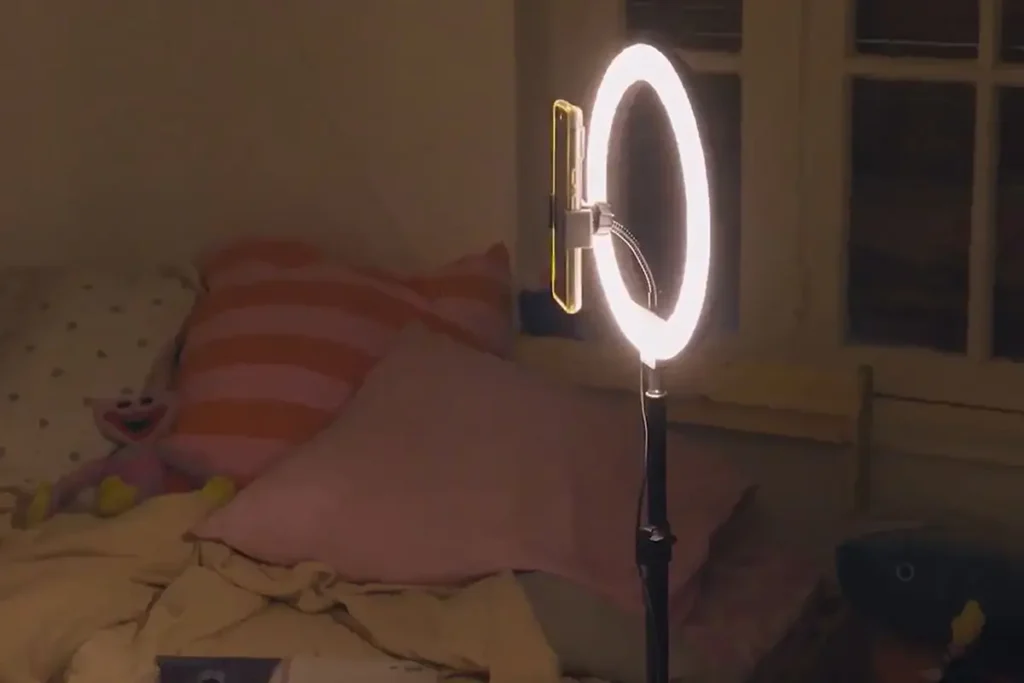
The DotShine is a 10-inch (25.4 cm) ring light with 120 LEDs, ten brightness levels, and white, mixed, and warm lighting modes. Color temperature ranges from 3,000 to 6,500 K, with a remote controller and adjustable tripod included in the feature list.
It supplies the lighting for videos, selfies, and calls. Getting through your script without stumbling over the same sentence remains your department.
DotCombo: Matching Desk Accessories
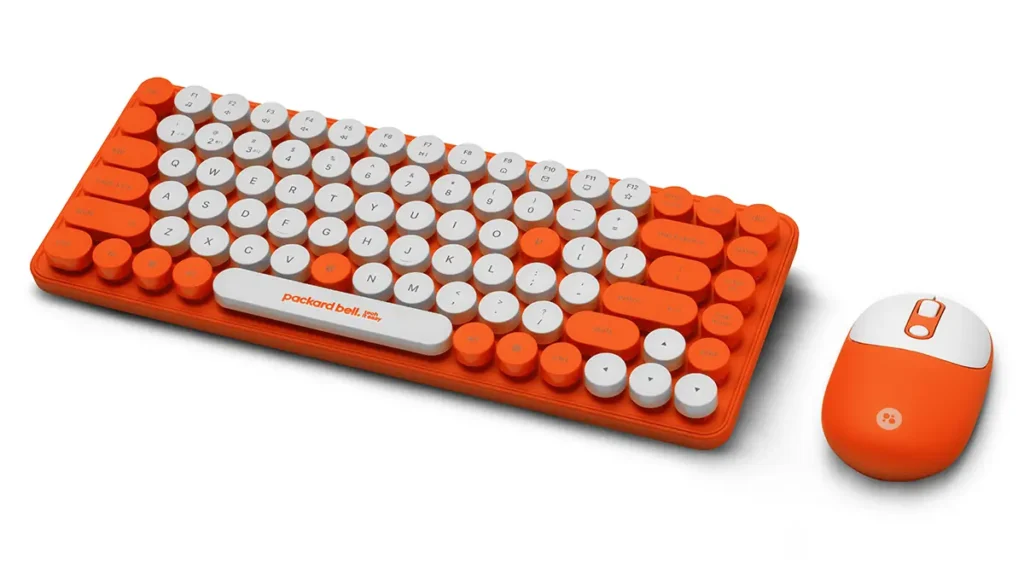
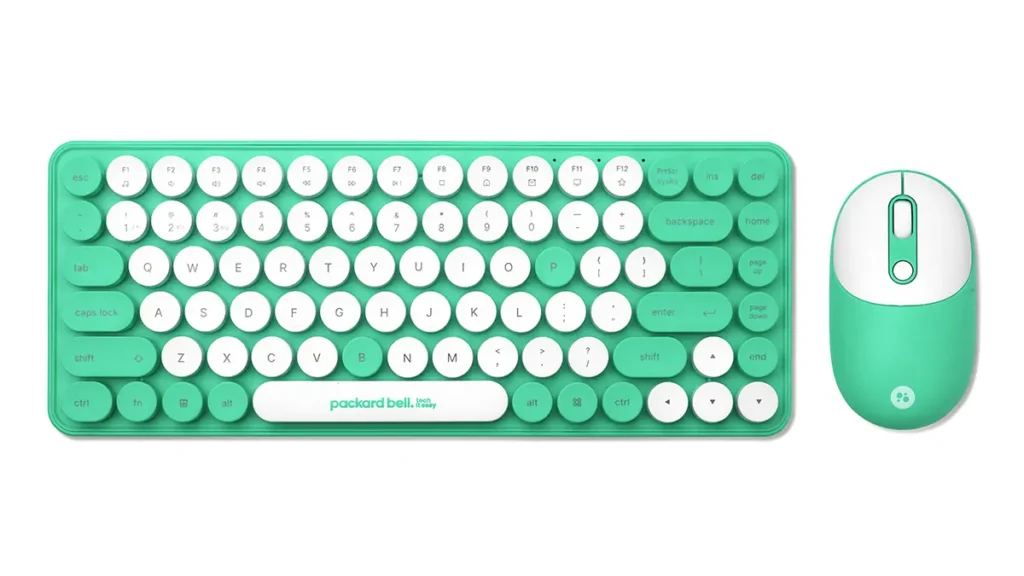
The DotCombo pairs a keyboard with round keys and a matching mouse. Connectivity includes 2.4 GHz wireless and Bluetooth 5.1, with an advertised range of ten meters (33 ft). Rechargeable battery power and USB-C charging help keep disposable batteries off the shopping list.
A coordinated desk is entirely optional, but Packard Bell would clearly prefer that your keyboard and mouse look like they know each other.
Steasy: Packard Bell Meets Lunch
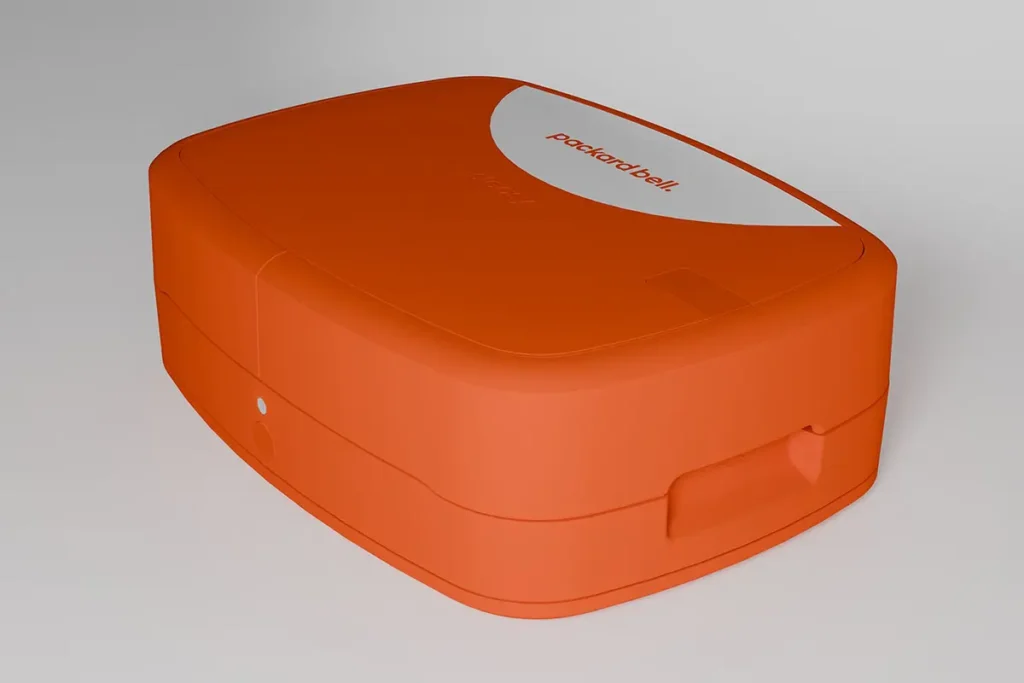
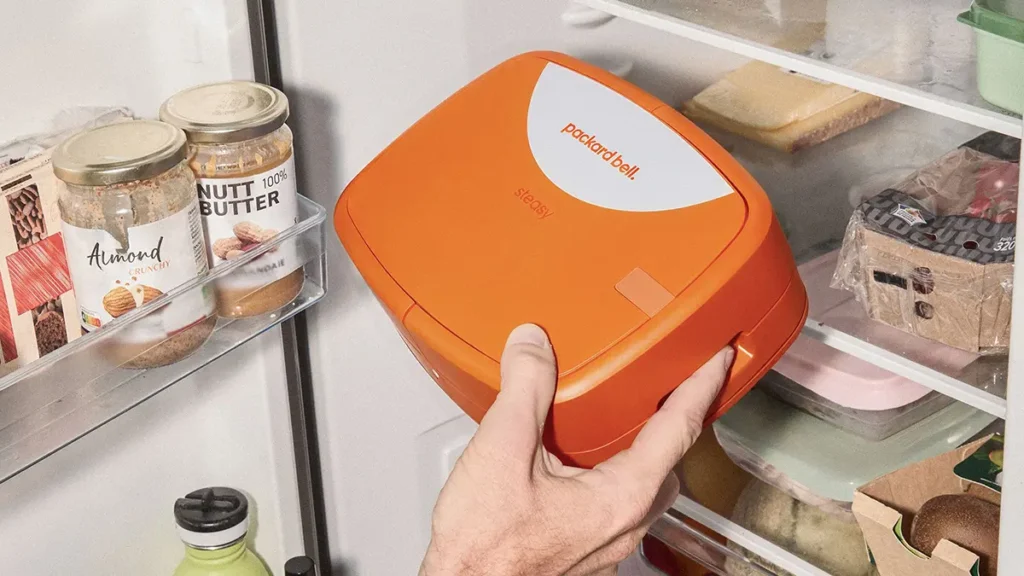
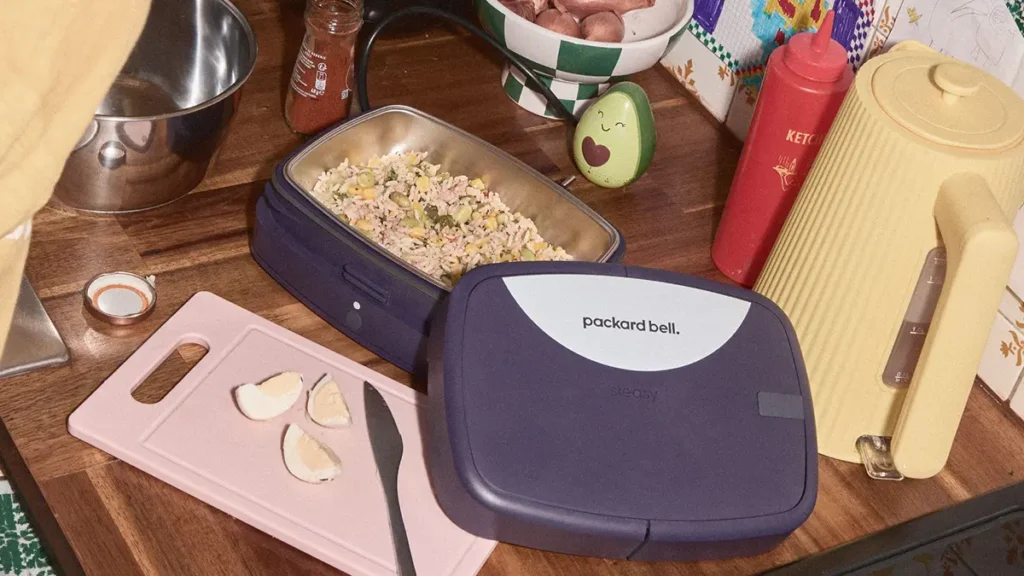
Then there’s Steasy, the connected mini-steamer developed through a partnership with the startup of the same name.
It reheats food using steam, supports app control, and accommodates servings up to 400 g (14.1 oz). The official page lists plug-in or battery-powered operation and a weight of 1.3 kg (2.87 lb).
You can now associate Packard Bell with lunch as well as laptops. Somewhere, a former family PC is wondering why it never got invited into the kitchen.
A New Look and a Staggered Arrival
The refreshed logo hides “P” and “B” in a constellation of dots, with orange, purple, green, and yellow carrying the visual theme. Acer’s support and service network backs the collection.
The detailed EMEA schedule lists most products from September 2026, the ring light and steamer in October, and the phone in November. Further collaboration launches are planned through 2027. Availability varies by market.
A hundred years after starting with radios, Packard Bell is offering another way to listen to music, something to type on, and something to heat your food. Quite a shopping list for a centenarian. In the meantime, you may want to poke around packardbell.com for the details of each product.

Images: Packard Bell.