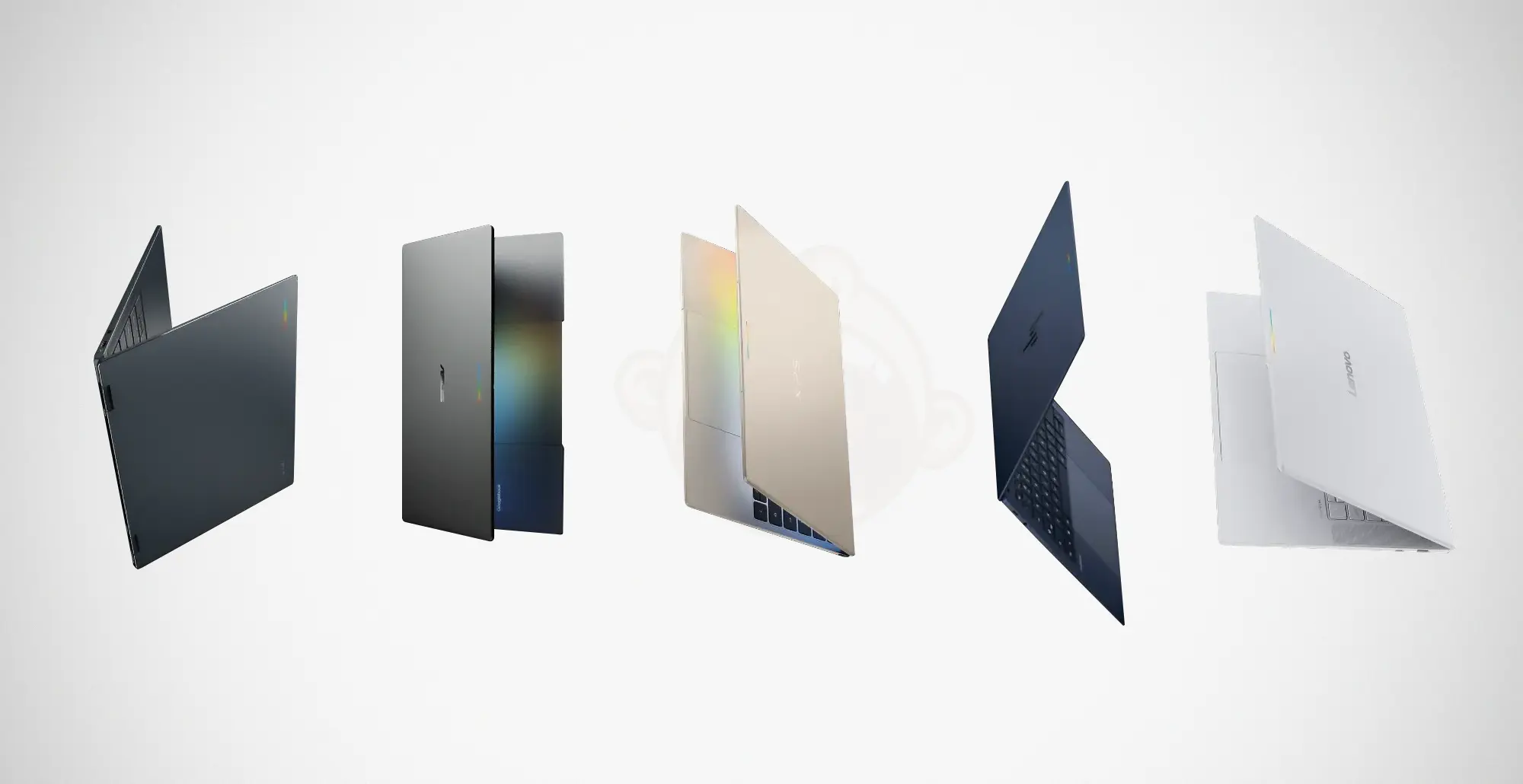
Apple and Huawei have a major advantage that few other smartphone makers possess: each has a laptop line that works harmoniously with its phones. Android may have more users globally, but they can only watch with envy as iPhones integrate seamlessly with Macs and Huawei’s HarmonyOS phones play nicely with its HarmonyOS laptops. Well, that’s until now. Enter Googlebook, a new premium laptop category designed to work with Android phones from the moment you switch it on. And no, it runs neither ChromeOS nor Windows.
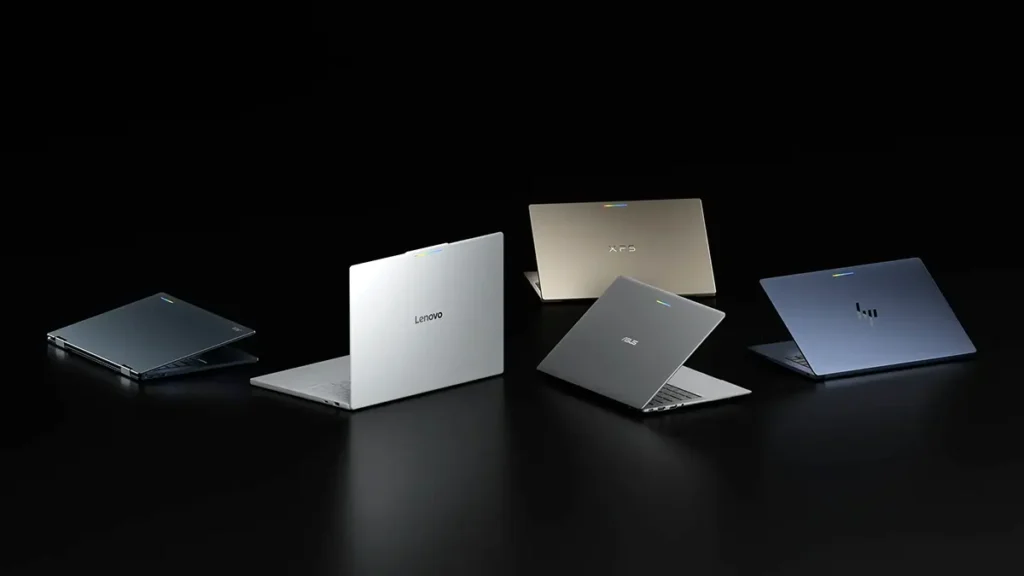
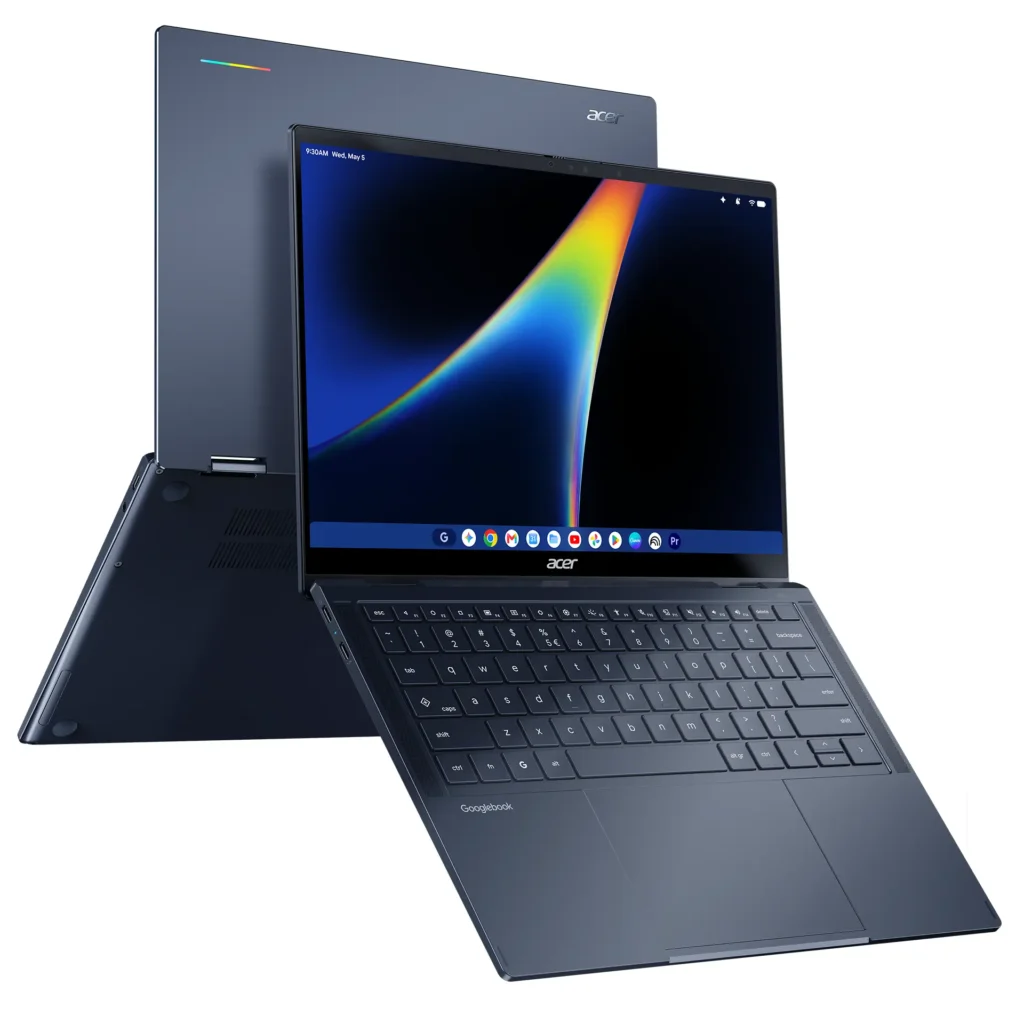
Despite the name, Googlebook is not one specific laptop built by Google. That’s right. After killing off the Pixelbook line, Google has chosen not to commit to building the hardware itself. Instead, it is taking a page from the Chromebook playbook and going the Windows route: define the software platform and let established PC makers build the machines.
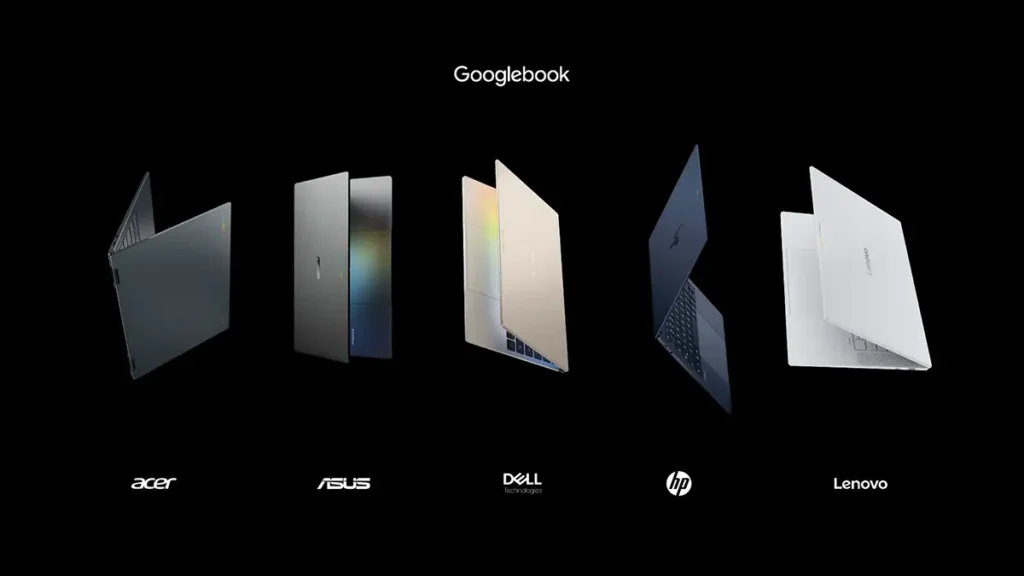
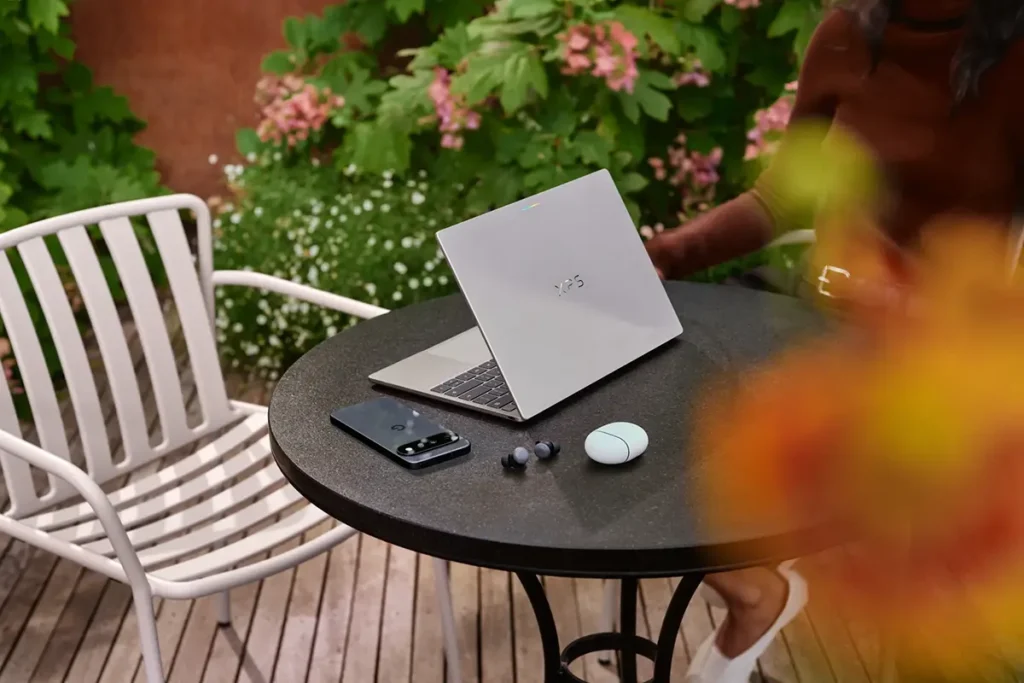
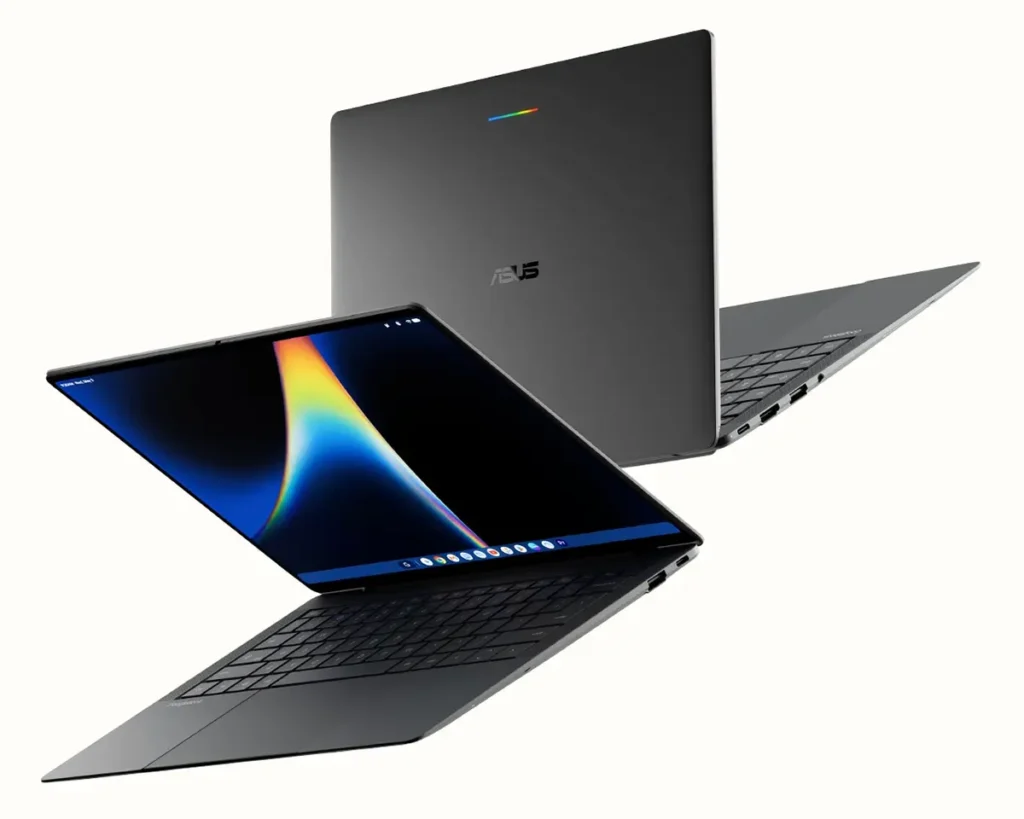
The initial models come from Acer, ASUS, Dell, HP, and Lenovo, giving buyers a choice of designs while Google handles the underlying experience. Think of it as the premium Android-and-ChromeOS laptop standard that Google has resisted naming until now.
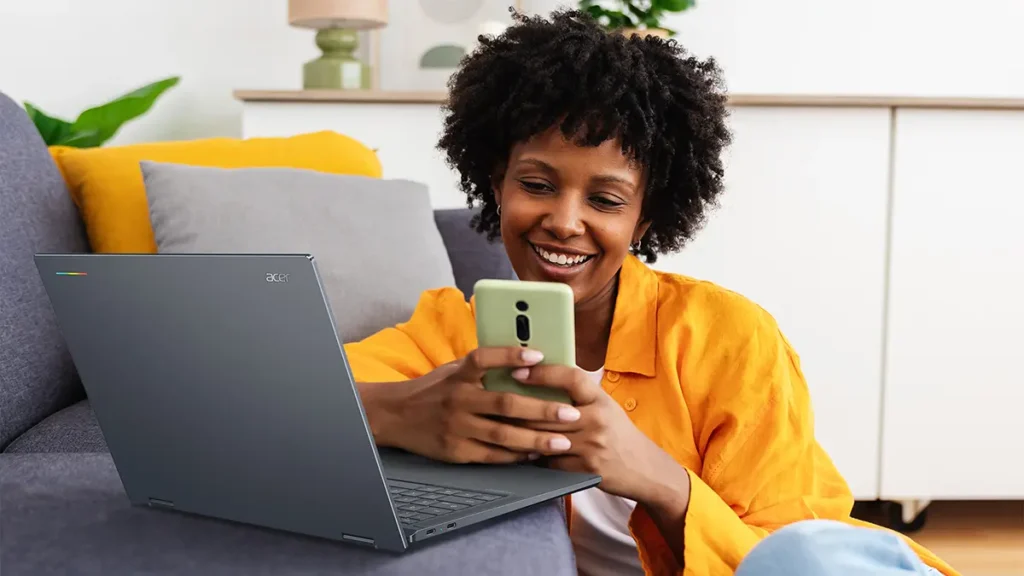
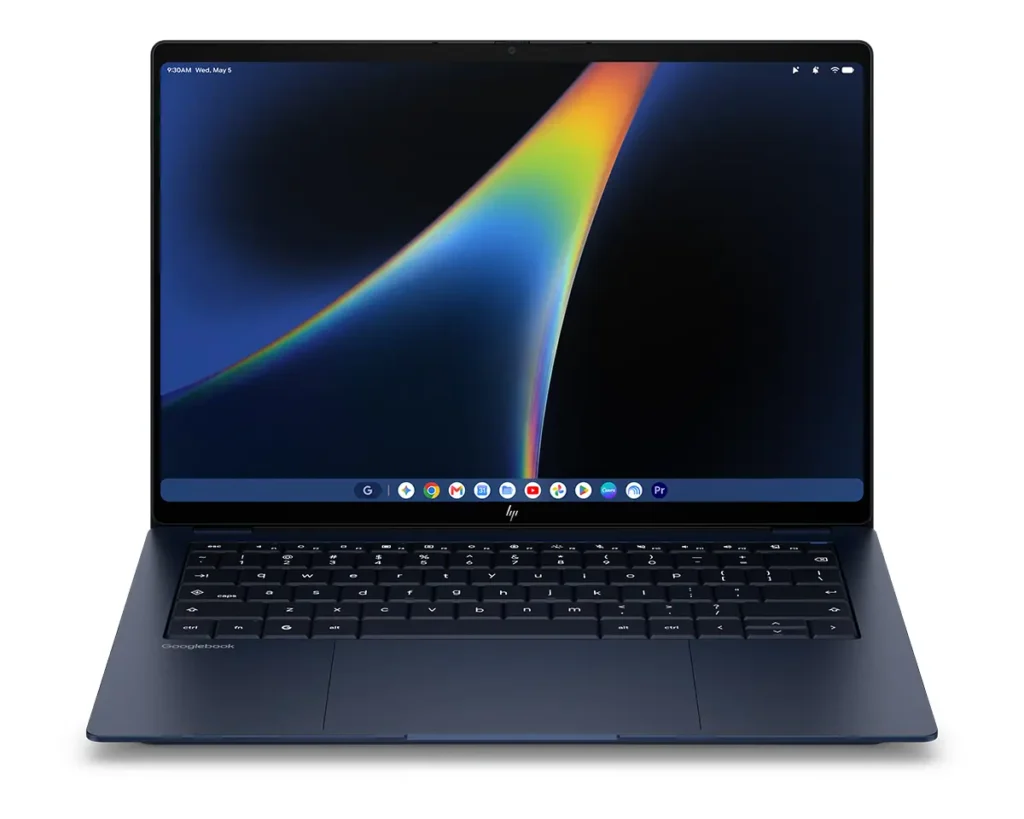
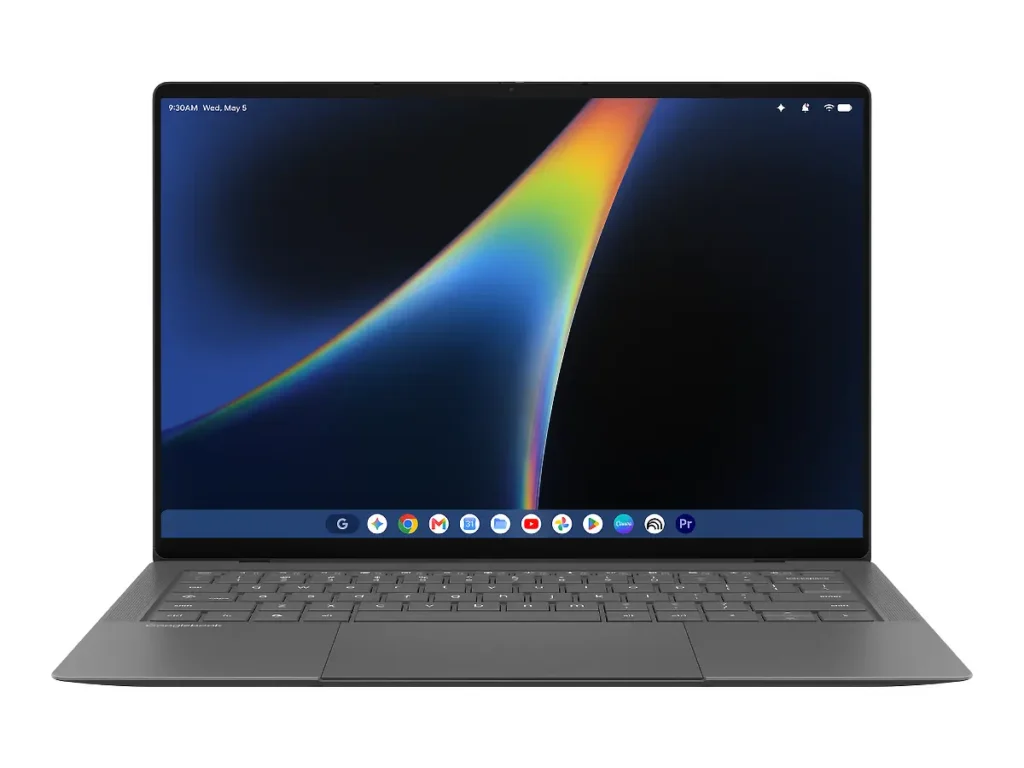
Googlebook combines the Android technology stack with desktop foundations from ChromeOS. During setup, it can import settings, saved passwords, Wi-Fi networks, and messages from your Android phone with end-to-end encryption. Continue On lets you resume a phone task from the laptop’s taskbar, while the Files app provides access to photos and files stored on your handset.
Cast My Apps goes further by streaming phone apps into a desktop window. You can retrieve a one-time code, order dinner, or use a mobile-only app without repeatedly picking up your phone. I think your eyes will be grateful for this feature.
Gemini Intelligence is built throughout the desktop. Magic Pointer summons Gemini by wiggling the cursor, allowing it to work with whatever is on-screen. Rambler converts rambling spoken thoughts into organized notes, checklists, and formatted writing. There is also Create My Widget, which generates custom desktop widgets from plain-language descriptions.
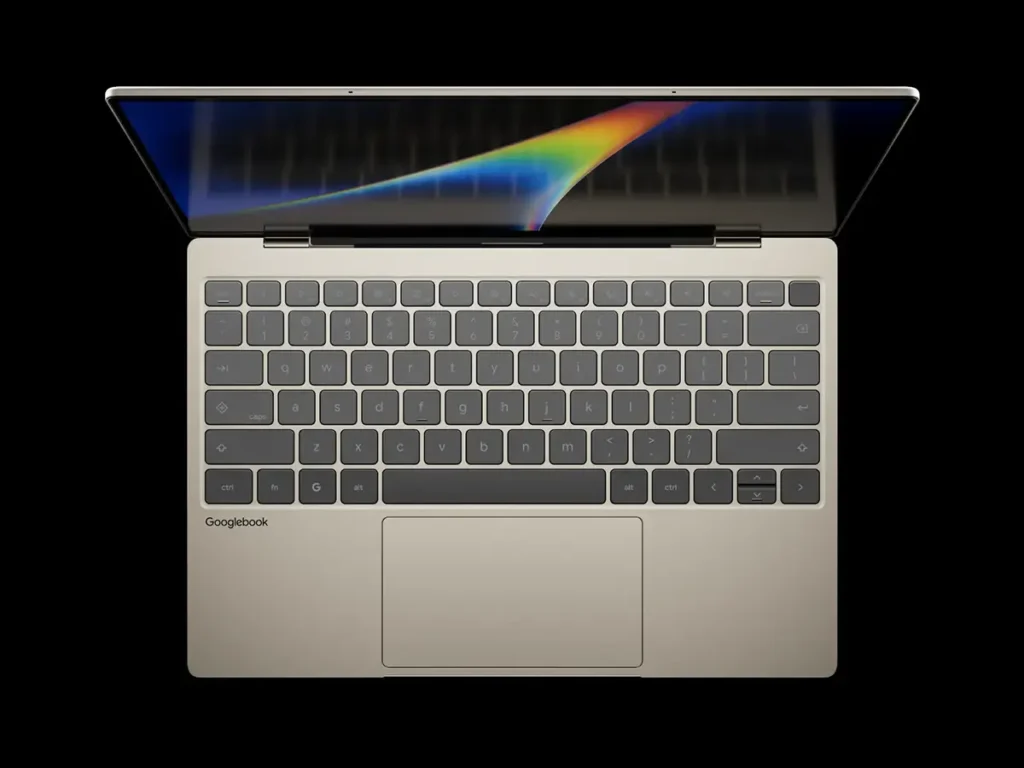
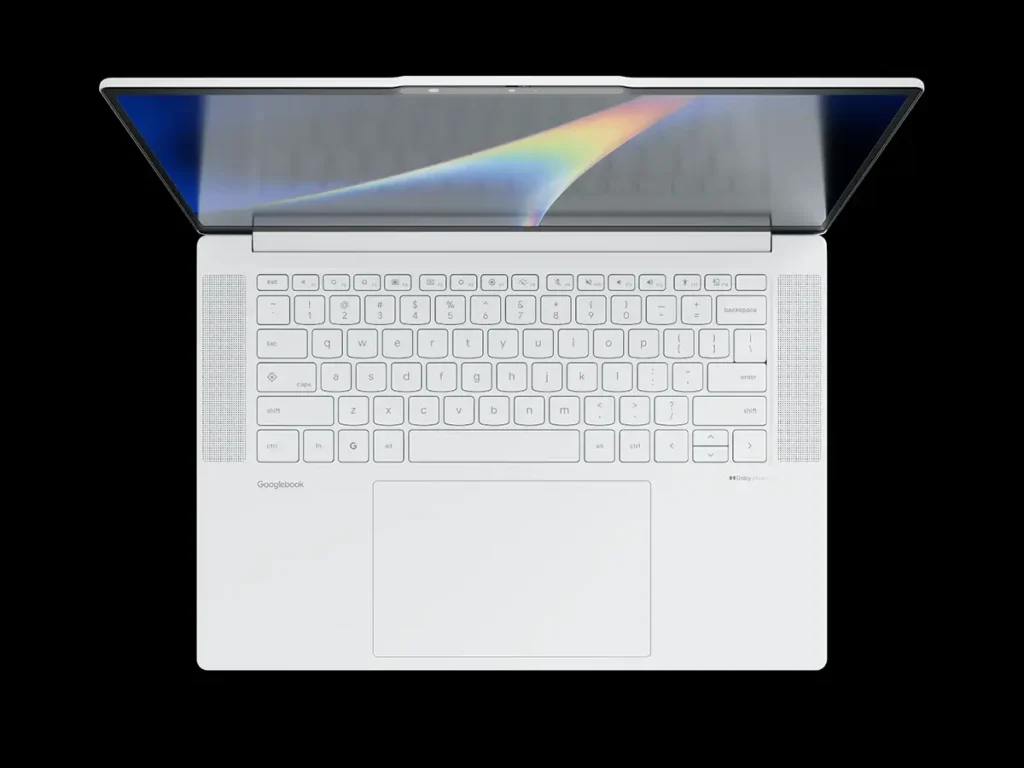
Hardware varies by manufacturer, but Googlebook models start at US$899 and use premium materials such as aluminum, magnesium alloy, and carbon fiber. Available equipment includes touchscreens with up to 2.8K OLED resolution, haptic glass trackpads, backlit keyboards, Intel or Qualcomm processors, dedicated NPUs delivering over 45 TOPS, and battery life reaching 14 hours.
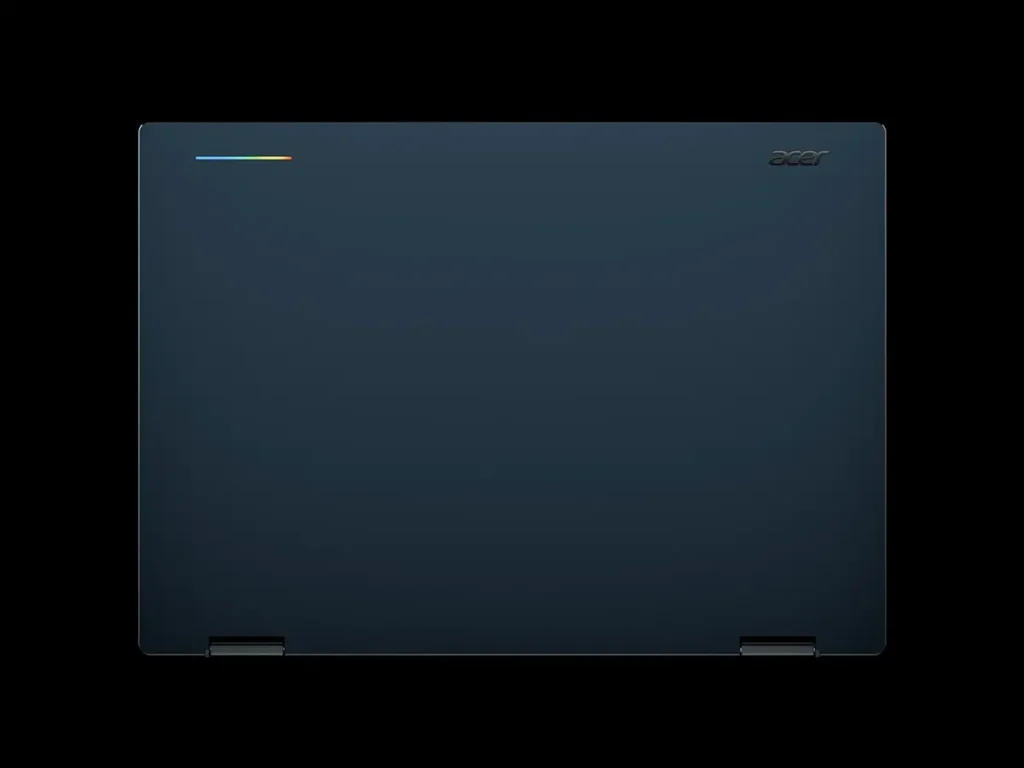
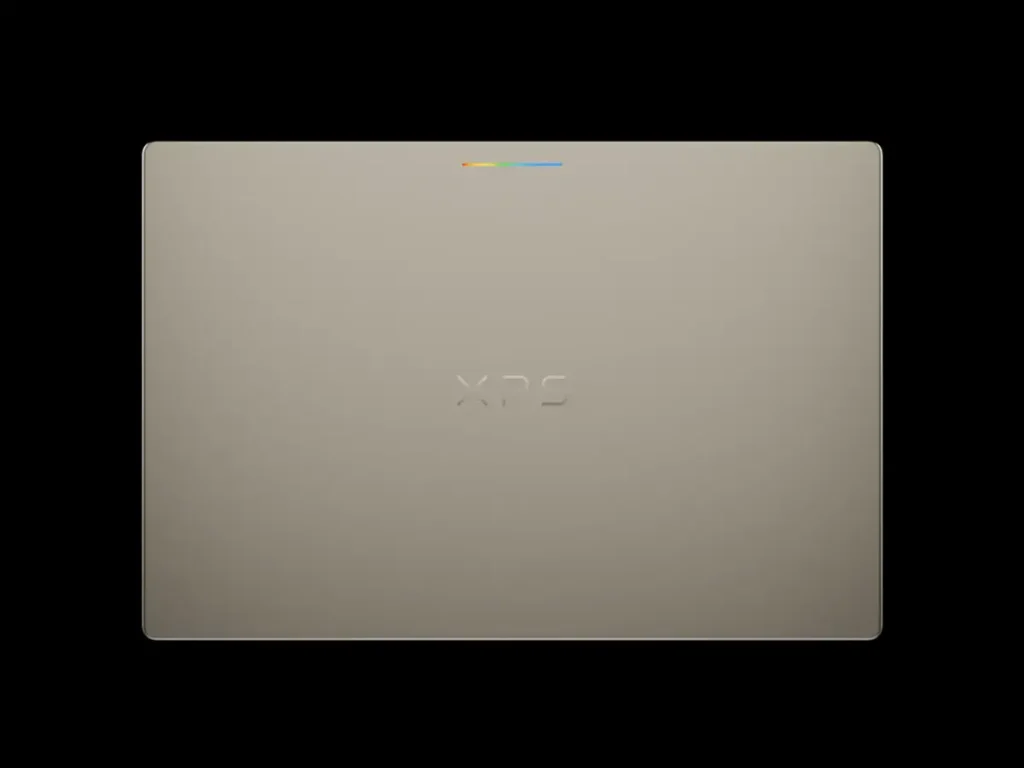
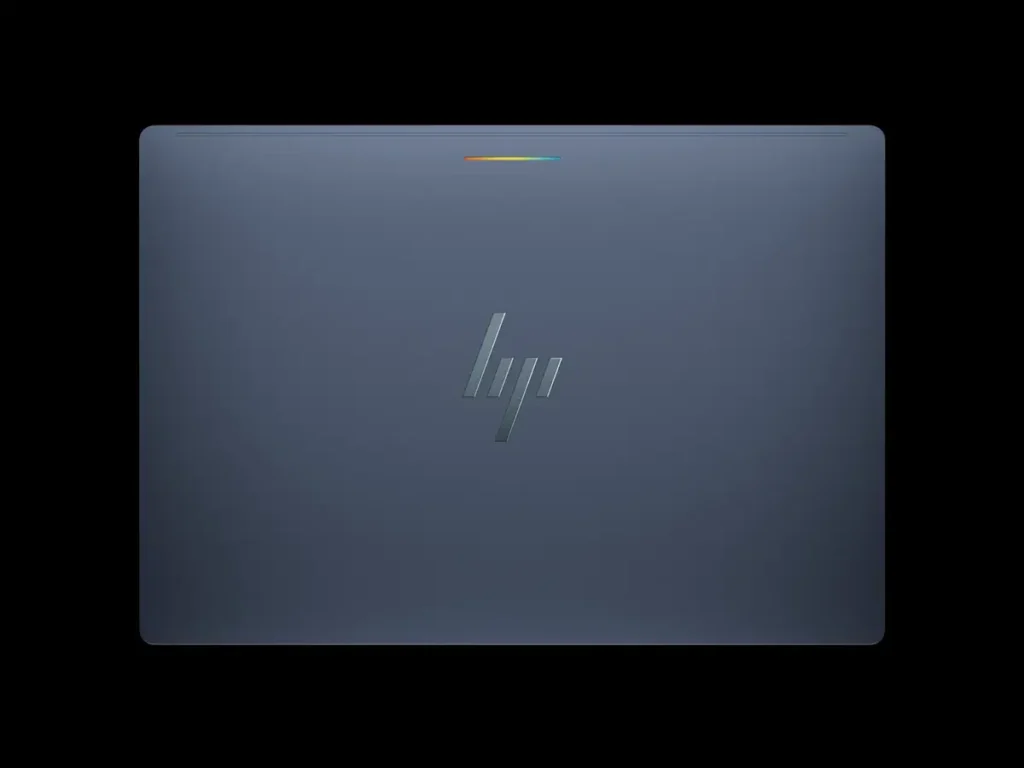
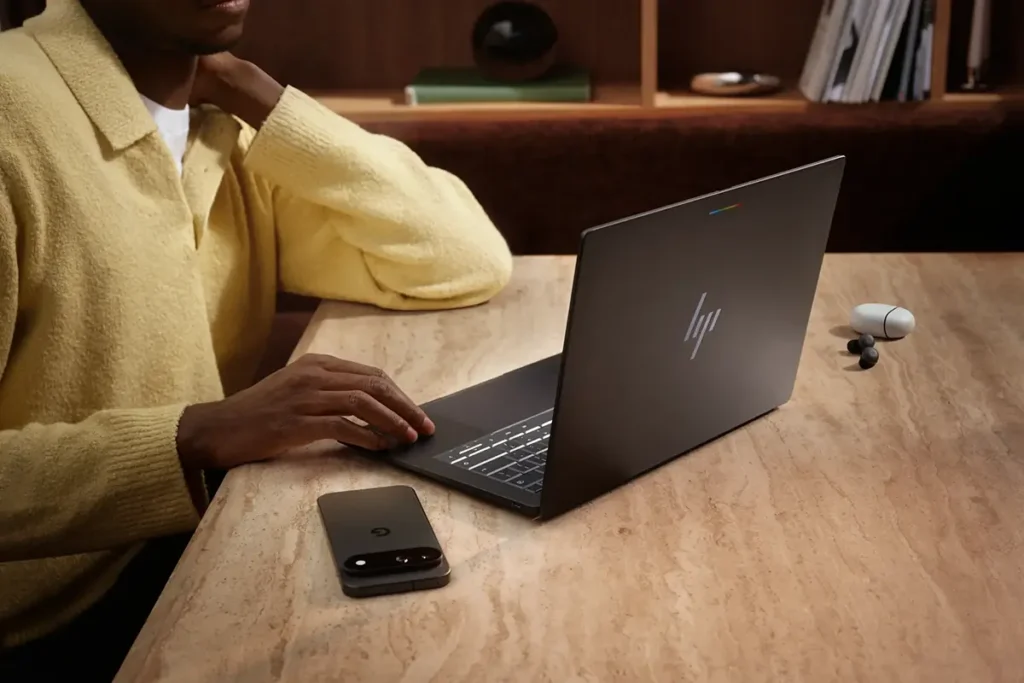
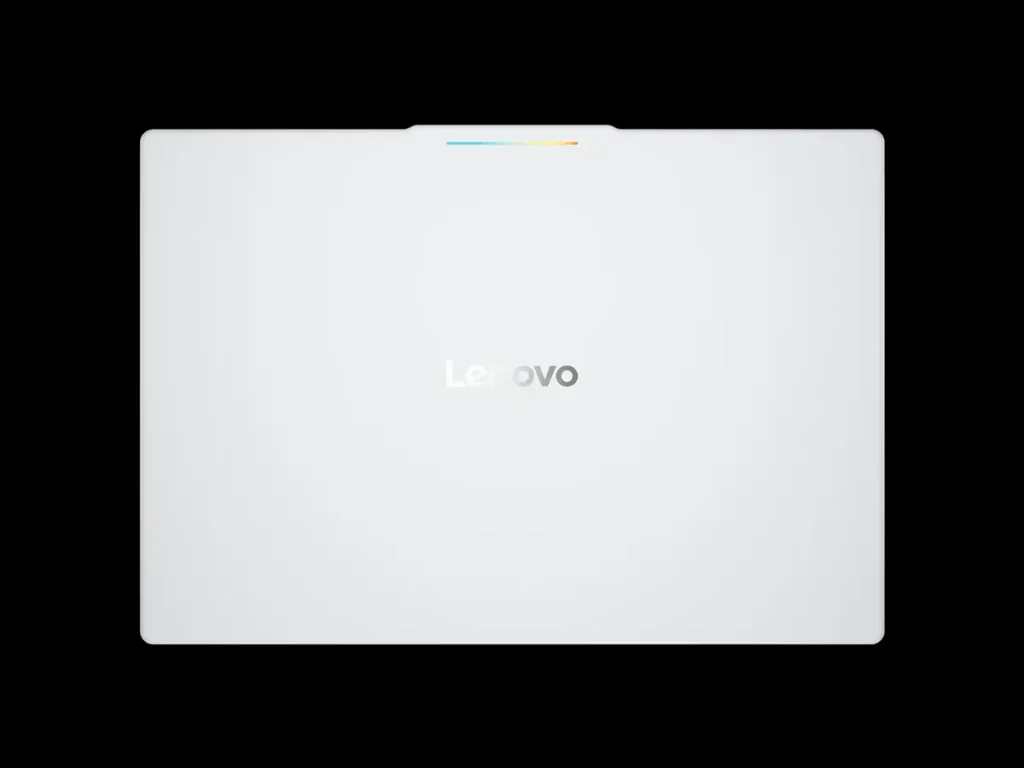
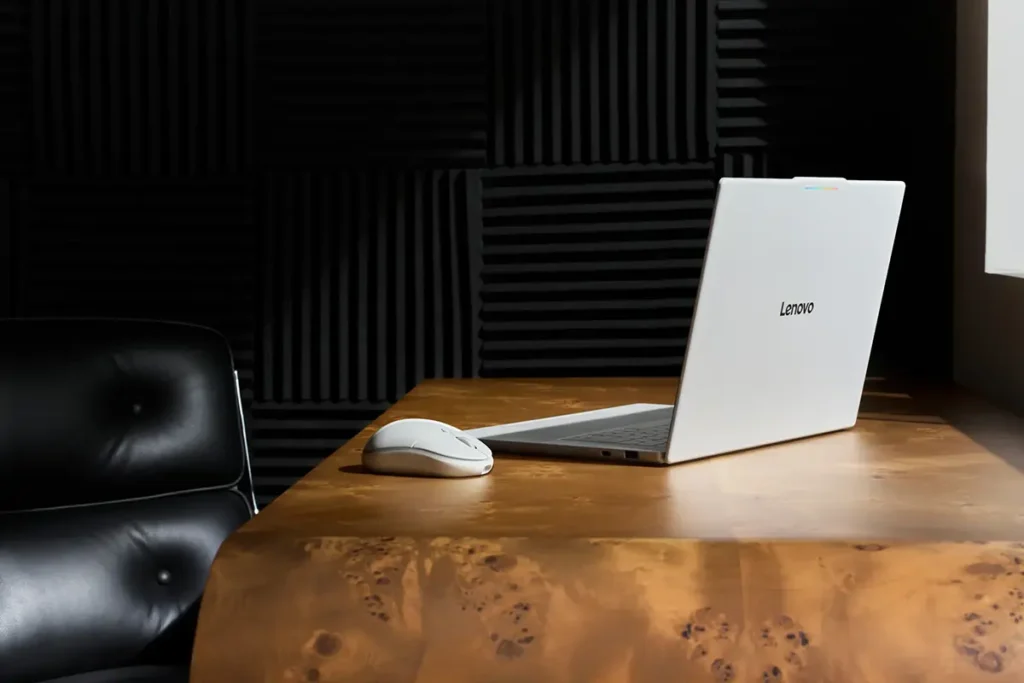
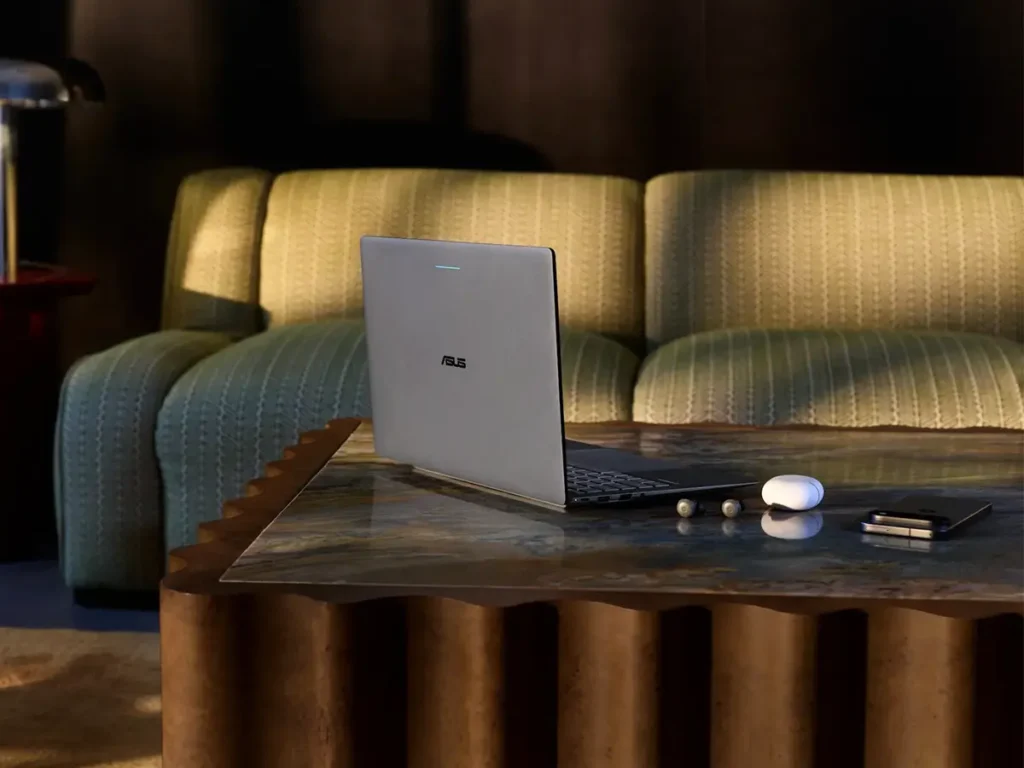
Google is even reviving the Glowbar. Located on the exterior, it illuminates during startup, displays charging progress, and performs animations when you speak to Gemini. Your laptop now has a mood indicator, though its opinion of your search history remains private.
Googlebook provides desktop Chrome with extensions alongside Android apps from the Play Store. Native creative software includes Adobe Photoshop, Lightroom, and CapCut, while a complimentary year of GeForce NOW opens access to supported PC games. Developers receive a full terminal environment, Google’s Antigravity agent-development platform, and an isolated Linux environment secured by Google’s pKVM hypervisor.
Every Googlebook includes 12 months of Google AI Pro with 5 TB of cloud storage, three months of YouTube Premium, Photoshop, and other benefits. Google promises feature updates for up to ten years.
Pre-orders are open now. Googlebook laptops reach U.S. shelves on October 4, followed by Canada, the U.K., Ireland, France, Germany, and Australia on October 5.
Images: Google.